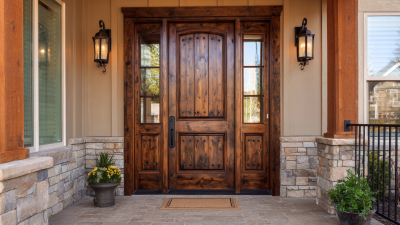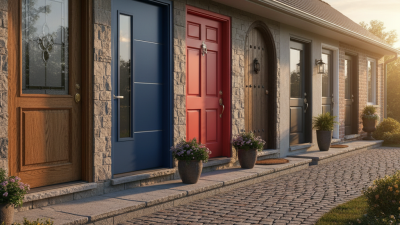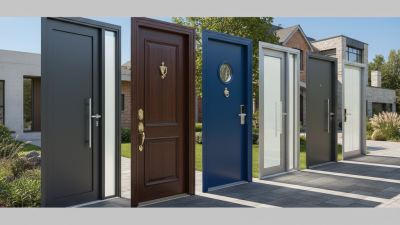
Choosing among residential entry doors is more than a style decision. It affects security, energy use, maintenance, and the feeling of arrival.
Bob Vila, a longtime home-improvement expert, says, “Your front door is the first impression people have of your home.” That impression begins with texture under your hand, the latch sound, and daylight around the frame. It also continues through winter drafts, summer heat, and years of opening and closing.
This guide examines the leading door types, including solid wood, fiberglass, steel, and glass-panel designs. Each material performs differently. Wood offers warmth, visible grain, and traditional character, but it may need regular sealing. Fiberglass can imitate oak or mahogany while resisting moisture and temperature changes. Steel provides strength and value, although dents and surface scratches can become frustrating. Glass panels brighten a dark foyer, yet privacy and insulation require careful planning.
Small details matter. A north-facing entrance may need better weather protection. A busy family may value a low-maintenance surface over perfect authenticity. Coastal homes face salt air, while shaded porches can hide moisture damage. There is no universal winner.
That is the honest part.
Even experienced homeowners can underestimate installation quality. A beautiful slab cannot correct a warped frame or poor threshold seal. Measurements, flashing, hinges, hardware, and professional fitting deserve equal attention. The best residential entry doors balance appearance with real daily performance. This comparison will help you identify that balance, while recognizing that every home—and every compromise—is different.
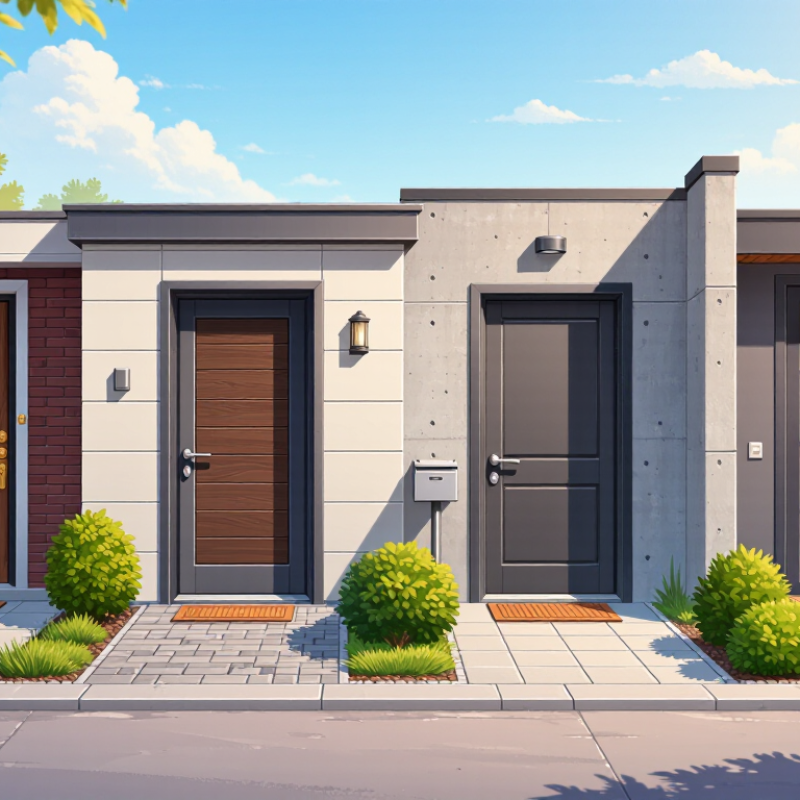
Residential entry doors are commonly classified by material, construction, operation, and performance. Wood doors offer natural grain, warmth, and repairable surfaces. However, they need regular sealing, especially near wet climates. Fiberglass doors imitate wood while resisting moisture and daily impacts. Steel doors provide strong security and stable performance, though damaged coatings can expose rust. Glass-panel doors increase daylight but require careful privacy planning.
Construction also separates doors into solid-core, insulated-core, panel, flush, and glass-insert designs. Insulated cores help reduce drafts around heated rooms. Panel doors suit traditional homes, while flush doors create a cleaner appearance. Operation matters too. Hinged entry doors are familiar and dependable. Sliding or pivoting designs can save space, but their hardware needs precise installation. Classification is useful, but real homes rarely fit one box. A carefully selected door can still perform poorly if the frame is uneven.
Tips
Measure the opening, frame, threshold, and swing direction before ordering. Check the door’s weather seals with a slow hand test around the edges. Look for gaps, daylight, or a loose threshold. Select glazing based on orientation, privacy needs, and local weather exposure. A north-facing entrance may need different daylight control than a bright west-facing entrance. Professional installation improves alignment and water resistance, yet maintenance remains essential. Wipe the threshold, inspect hinges, and renew worn seals. Small failures often begin quietly.
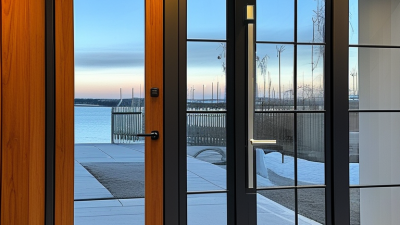
Wood provides natural grain, warmth, and easy repairability. However, it needs regular sealing, especially in damp climates.
Steel offers strong security and stable performance at a moderate price. Dents can be difficult to repair.
Fiberglass resists moisture, warping, and daily impacts, while its embossed texture can imitate wood convincingly.
Aluminum is lightweight and corrosion-resistant, but it may feel less substantial at the entry.
Energy performance deserves careful attention. The International Energy Agency’s Buildings 2023 report states that buildings consume about 30% of global final energy. A poorly fitted door can add drafts beside an otherwise efficient wall. Look for a low U-factor, continuous weatherstripping, insulated cores, and a properly adjusted threshold. The 2024 Cost vs. Value Report reported an average 188.1% cost recoup for a midrange steel entry-door replacement in the United States. That result varies by region and installation quality. It is useful evidence, not a promise. I still see homeowners choosing material before checking the frame. That order can create expensive disappointment.
Tips: Press a sheet of paper between the door and seal. If it slides out easily, compression is weak. Inspect corners for daylight. For coastal homes, confirm corrosion-resistant hardware and finishes. For older openings, measure the frame, sill, and wall depth before ordering. A beautiful slab cannot correct a twisted frame.
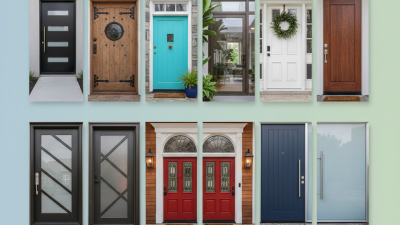
Popular styles of residential entry doors combine appearance, comfort, and practical protection. Traditional panel doors remain widely used because their raised or recessed shapes suit many home designs. They can be made from wood, fiberglass, or insulated steel. Wood feels warm and authentic. However, it needs regular sealing, especially in humid or rainy climates. Fiberglass often copies wood grain with less maintenance. Steel offers strength, but damaged coatings may eventually rust.
Craftsman-style doors usually feature straight lines, sturdy rails, and a small glass panel near the top. That glass admits daylight without exposing the entire hallway.
Contemporary flush doors create a cleaner appearance, especially on homes with simple exterior walls. Their smooth surfaces make dust easy to wipe away.
Some homeowners choose full-view glass doors for brighter interiors. Privacy glass and insulated glazing can reduce common concerns.
They still require careful placement in hot, sunny locations.
Double entry doors create a wider, more formal opening. They work well for moving furniture, although both panels need accurate alignment.
Dutch doors add character by opening in two sections. They are charming, but their upper and lower seals deserve close inspection.
In my view, style should never lead the decision alone. A beautiful door can disappoint if it swings into a narrow walkway.
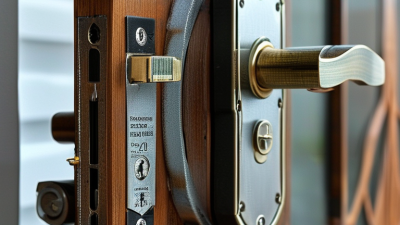
Check the opening direction, threshold height, weatherstripping, and lock quality before choosing.
I once underestimated afternoon glare. That was a costly design lesson.
Residential entry doors affect security and energy performance through their construction, not appearance alone. Steel doors resist forced impact, while fiberglass doors resist warping and moisture. Solid-core wood doors feel substantial, but they require more maintenance. A reinforced frame, long screws, and a protected strike plate matter greatly. Even a strong slab can fail when the frame flexes.
The U.S. Department of Energy reports that windows account for roughly 25%–30% of residential heating and cooling energy use. Doors form a smaller opening, yet poor weather-stripping can create noticeable drafts near floors. The National Fenestration Rating Council evaluates door assemblies through U-factor and air-leakage measurements. Lower U-factor generally means better insulation. However, laboratory ratings cannot predict every installation. A slightly misaligned door can waste energy and weaken security.
Tips: Check the threshold for daylight. Press the closed door near each corner. It should feel firm, not loose. Choose insulated cores and continuous weather seals for exposed entrances. For glazed sections, laminated or impact-resistant glass can slow breakage, but it does not make entry impossible. The ENERGY STAR program also emphasizes certified performance, though ratings should match the local climate. I would not judge a door by weight alone. A heavy door with weak hinges remains a flawed choice. Inspect the frame, hinges, lock area, and seal together.
Choosing the right entry door starts with the home’s climate, structure, and daily routine. Wood doors offer warmth, texture, and easy customization, but they need regular sealing in wet conditions. Fiberglass doors resist moisture and often imitate natural grain convincingly. Steel doors provide strong impact resistance and stable performance. Large glass panels brighten an entrance, although they can reduce privacy and increase heat gain.
During home inspections, I check the entire door system, not only the decorative slab. The frame must sit squarely, or the lock may drag and gaps may appear. Good weatherstripping should compress evenly when the door closes. Look for a threshold that blocks drafts without creating a tripping edge. Ask about the door’s insulation rating, especially in homes with very hot summers or cold winters.
Think about real use. A busy family may need a durable surface that tolerates muddy shoes and repeated opening. A shaded porch can protect wood better than an exposed entrance. I once selected a stylish door with a shallow threshold, then noticed rainwater collecting near the sill. It looked excellent, but the drainage plan was weak. That mistake changed my process. I now inspect roof overhangs, porch slope, hinge alignment, and local installation requirements before choosing a finish. Even a costly door can perform poorly when the surrounding opening is ignored.
| Entry Door Type | Typical Construction | Main Advantages | Potential Limitations | Insulation Performance | Maintenance Needs | Security Considerations | Best Suited For |
|---|---|---|---|---|---|---|---|
| Fiberglass | Fiberglass-reinforced skin over a foam-insulated core, often with a wood-grain or smooth finish. | Resists moisture, warping, dents, and many forms of wear; available in a wide range of styles and finishes. | Can cost more than basic steel doors; severe impact can crack the outer skin and repairs may be noticeable. | High Foam cores generally provide effective thermal resistance. |
Low Usually needs periodic cleaning and finish inspection. |
Strong performance when paired with a reinforced frame, quality hinges, and a properly installed deadbolt. | Homes exposed to humidity, rain, temperature changes, or demanding daily use. |
| Steel | Steel exterior skin, commonly formed around a foam-insulated core and supported by a wood or composite frame. | Often offers strong impact resistance, good value, and a stable surface that does not normally warp like solid wood. | Surface scratches or damaged paint can lead to rust if left untreated; steel can conduct heat without adequate insulation. | Medium to High Performance depends heavily on the core and the door’s weather seals. |
Low to Medium Touch up exposed areas and maintain paint and seals. |
Provides a durable barrier, but the frame, hinges, locks, and installation are equally important. | Budget-conscious homeowners seeking durability and a conventional insulated entry door. |
| Solid Wood | Constructed from solid hardwood or softwood components, sometimes assembled from multiple wood pieces. | Natural appearance, strong design flexibility, good sound-dampening qualities, and the ability to be refinished. | More vulnerable to moisture-related swelling, shrinking, and warping; generally heavier and often more expensive. | Medium Insulation varies by wood species, thickness, and weatherstripping. |
High Requires regular sealing, painting, or staining, especially in exposed locations. |
Can be very secure when thick, well-fitted, and installed in a reinforced frame. | Traditional, historic, or design-focused homes where natural materials are a priority. |
| Engineered Wood | Wood veneer or exterior wood layers bonded to a composite, laminated, or engineered wood core. | Provides a wood appearance with improved dimensional stability and often greater resistance to seasonal movement. | Finish quality varies; prolonged water exposure or damaged edges can still cause deterioration. | Medium to High Core composition and door thickness affect thermal performance. |
Medium Needs regular inspection and protection of the veneer and edges. |
Offers dependable security when the slab and frame are properly reinforced. | Homeowners who want the appearance of wood with less movement than many solid-wood doors. |
| Glass-Panel | A wood, fiberglass, steel, or composite door containing one or more insulated glass panels. | Introduces daylight, improves visibility, and supports decorative or contemporary designs. | More glass can reduce privacy and may require additional cleaning; thermal performance depends on the glazing system. | Medium Low-emissivity insulated glazing can improve efficiency compared with single-pane glass. |
Medium Clean glass and inspect glazing seals and weatherstripping. |
Use laminated, tempered, or other safety-rated glazing and secure hardware appropriate for exterior doors. | Entryways where natural light, visibility, and visual appeal are important. |
| Aluminum | Lightweight aluminum frame or panel system, often combined with insulated cores and glass inserts. | Resists corrosion in many environments, is lightweight, and supports modern, narrow-profile designs. | Metal can transfer heat unless the system includes thermal breaks; surface finishes can scratch or fade. | Medium Thermal-break construction and insulated panels significantly affect performance. |
Low to Medium Clean the surface and check coatings, seals, and hardware. |
Security depends on the frame design, lock system, glazing, and anchoring method. | Contemporary homes, covered entrances, and designs emphasizing large glass areas. |
| Composite | Combines materials such as fiberglass, resin, wood fibers, foam, or engineered cores in a multilayer construction. | Can balance durability, weather resistance, insulation, and design flexibility across different applications. | Quality and performance vary considerably by construction; some systems are difficult to modify after manufacture. | Medium to High Multilayer construction and insulated cores can reduce heat transfer. |
Low to Medium Maintenance depends on the exterior finish and exposed components. |
Can provide excellent protection when the slab, frame, hinges, and locking hardware are engineered as a complete system. | Homeowners seeking a balanced combination of energy performance, durability, and appearance. |
Actual performance depends on door thickness, core material, glazing, frame construction, weatherstripping, hardware, climate, and installation quality.