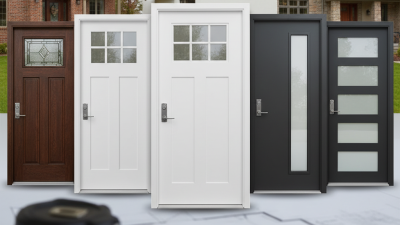
Choosing residential entry doors is no longer only a matter of style. Global buyers increasingly evaluate thermal performance, security, weather resistance, maintenance, and installation quality. The right door must also suit local climate, building traditions, and energy expectations.
The International Energy Agency’s Buildings 2023 report states that buildings consumed about 30% of global final energy in 2022. They also produced roughly 26% of energy-related emissions. These figures place the building envelope under greater scrutiny, including the front entrance. A poorly fitted door can create drafts, moisture problems, and uncomfortable indoor temperatures. Small gaps matter.
Building-science expert Joseph Lstiburek describes the enclosure as “the fourth environmental control system.” His statement highlights an often-missed point: an entry door is not merely a decorative panel. It is part of the home’s thermal and moisture-control strategy. Buyers should therefore compare U-factor, air leakage, water resistance, frame construction, hardware durability, and certification evidence.
This guide examines ten major types of residential entry doors for international buyers. It covers steel, fiberglass, solid wood, engineered wood, aluminum, glass-panel, pivot, French, sliding, and smart entry systems. Each category offers practical advantages, but none performs perfectly in every market. A beautiful timber door may demand frequent maintenance in humid regions. A steel door may resist impact but develop problems when coatings fail.
Product claims deserve careful checking. Standards differ between countries. Installation can matter as much as the door itself. This ranking provides a useful starting point, not a substitute for local code review, professional measurement, and climate-specific advice.
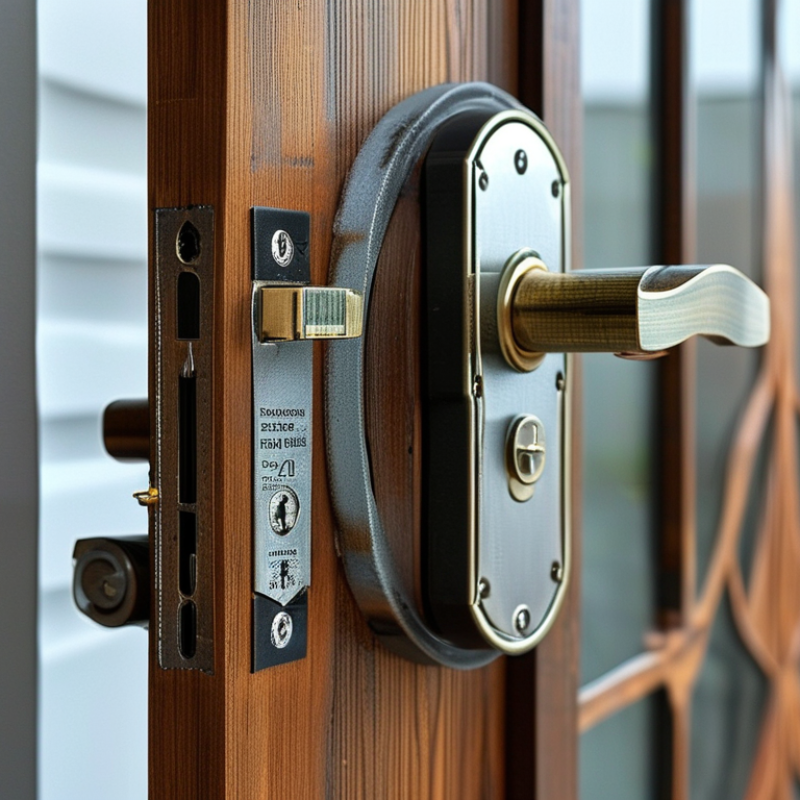
Residential entry doors should be classified by material, construction, and tested performance. The ten common types include solid wood, engineered wood, steel, fiberglass, aluminum, uPVC, composite, glass-panel, flush, and louvered doors. Each behaves differently. Wood offers warmth but needs moisture control. Steel provides strong security, yet damaged coatings may invite corrosion. Fiberglass resists swelling and imitates timber with less maintenance.
Ratings matter more than appearance. Compare U-factor, solar heat gain coefficient, air leakage, water penetration, and structural performance. The U.S. Department of Energy’s Building Energy Codes Program references these measures within energy-code compliance. ASTM E283 evaluates air leakage, while ASTM E331 tests water penetration. In Europe, EN 14351-1 addresses window and external pedestrian door performance. ISO 10077-1 helps calculate thermal transmittance. Fire-rated assemblies require separate testing, such as EN 16034 or UL-based procedures. Standards are not interchangeable.
The International Energy Agency’s Buildings 2023 report states that buildings consume about 30% of global final energy. A poorly sealed entrance can make a small room feel noticeably colder. Or hotter. Climate changes the specification. A coastal buyer may prioritize corrosion resistance, while a cold-climate buyer should examine frame breaks and threshold seals. A perfect door does not exist; even experienced buyers can overvalue a high rating without checking installation quality.
Tips: Request third-party test reports, not only marketing claims. Confirm the rating applies to the complete door assembly. Check local wind, rain, fire, and thermal requirements before ordering. A strong panel with a weak threshold is still a weak entrance.
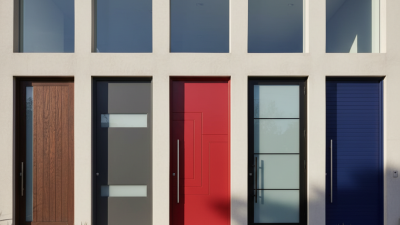
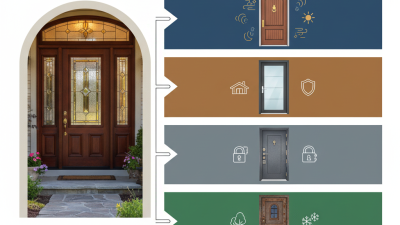
Choosing a residential entry door starts with climate, security needs, and maintenance expectations.
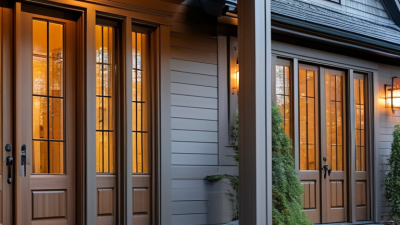
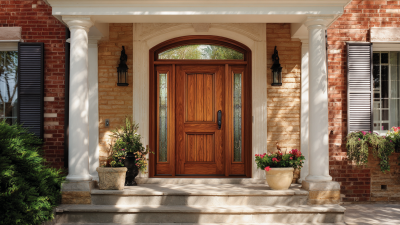
Wood doors offer warmth, repairable surfaces, and strong visual character. They need reliable sealing in humid or rainy regions. Seasonal movement can affect alignment.
Steel doors provide firm security and usually cost less than premium wood. However, scratches can expose metal to corrosion. A sound frame and protected threshold matter as much as the slab.
Fiberglass doors resist moisture, dents, and temperature changes. Their molded textures can resemble painted timber. They may feel less authentic up close.
That tradeoff deserves honest consideration.
Glass doors bring daylight into dark entry halls and make narrow entrances feel larger. Use tested safety glazing and privacy options where appropriate.
Clear glass is attractive, but fingerprints and heat gain become daily concerns.
Aluminum doors are lightweight, corrosion-resistant, and suited to contemporary facades. Thermal breaks improve comfort in hot or cold climates. Poorly designed frames can still transfer heat.
None is perfect.
Tips:
Check wall opening dimensions, swing direction, drainage, and local installation requirements before ordering.
Request water, air, and thermal performance data from the supplier.
Inspect hinges, locks, seals, and finish samples in person when possible.
A door can look impressive online yet feel weak on site.
Match the material to exposure first, then style.
Recheck that decision after a full season.
Composite doors combine a reinforced core with weather-resistant outer skins. They offer strong insulation, stable dimensions, and low maintenance. Fortune Business Insights valued the global doors market at approximately US$97.6 billion in 2023, reflecting strong demand across new housing and renovation projects. Composite suits buyers seeking timber-like appearance without regular repainting.
PVC doors are lightweight, moisture-resistant, and practical in humid coastal regions. However, frame quality and reinforcement matter more than surface appearance. Poorly supported PVC can warp or sag. Iron doors provide excellent impact resistance and a substantial entrance feel. Yet, untreated iron may rust, especially around hinges, welds, and drainage points. A protective coating is essential, not optional.
Sliding doors support wide openings and improve daylight access, but their tracks need frequent cleaning. A small stone can affect smooth operation. Pivot doors create a dramatic entry and handle large panels well, although their floor hardware requires accurate installation. The U.S. Department of Energy reports that windows account for roughly 25–30% of residential heating and cooling energy use; large glazed door systems deserve similar attention to glass performance, seals, and solar exposure. No material wins every climate. Global buyers should check local wind loads, humidity, thermal requirements, and installer experience before comparing prices. A cheaper door can become expensive when alignment, drainage, or replacement hardware is overlooked.
| Door Type | Typical Construction | Common Door Thickness | Typical Width Range | Weather and Thermal Performance | Security Characteristics | Maintenance Level | Best-Fit Applications | Main Advantages | Important Considerations |
|---|---|---|---|---|---|---|---|---|---|
| Composite Door | Insulated foam or timber-based core with weather-resistant faces, commonly fiberglass, molded resin, or laminated sheets. | Approximately 44–70 mm | 800–1,100 mm for a single leaf; wider configurations are available as paired doors. | Generally good insulation and resistance to rain, wind, and warping when the frame, seals, and threshold are correctly specified. | Can accommodate multi-point locks, reinforced keeps, laminated glazing, and steel reinforcement. | Low; periodic cleaning, seal inspection, and hardware lubrication are normally sufficient. | Detached homes, apartments, energy-conscious renovations, and regions with variable weather. | Good balance of insulation, appearance, durability, security, and design flexibility. | Quality varies significantly by core density, face material, frame design, hardware, and installation accuracy. |
| PVC / uPVC Door | Multi-chamber extruded PVC profile with steel or composite reinforcement, insulated panels, and replaceable weather seals. | Approximately 60–76 mm for common residential systems | 700–1,000 mm for a typical single entrance leaf. | Good resistance to moisture and corrosion; insulation depends on the number of chambers, panel, glazing, and seal configuration. | Steel reinforcement and multi-point locking can provide strong everyday residential security. | Low; does not normally require painting, but seals, hinges, locks, and drainage paths should be checked. | Coastal climates, humid regions, budget-conscious housing, and low-maintenance residential projects. | Lightweight, corrosion-resistant, economical, and available with solid or glazed panels. | Dark colors and direct solar exposure may increase thermal movement; reinforcement and local fire requirements must be verified. |
| Iron / Steel Door | Steel or wrought-iron frame and panels, often combined with insulated cores, decorative grilles, or glass inserts. | Approximately 40–90 mm, depending on panel and insulation design | 800–1,200 mm for a single leaf; custom double-leaf and oversized formats are common. | Strong and stable, but uninsulated metal can conduct heat and cold; coatings and thermal breaks are important in exposed locations. | High resistance to impact when the frame, hinges, anchoring, and lock hardware are properly engineered. | Medium; painted or coated surfaces require inspection and timely treatment of scratches or corrosion. | High-security entrances, traditional architecture, villas, townhouses, and buildings requiring a strong visual statement. | Robust construction, substantial appearance, design versatility, and long service potential when protected from corrosion. | Heavy weight may require stronger hinges and structural fixing; coastal or wet environments need suitable corrosion protection. |
| Sliding Entry Door | One or more panels moving horizontally on top-hung or bottom-rolling hardware; panels may be glass, aluminum-framed, timber, PVC, or composite. | Approximately 35–80 mm, depending on the panel system | 1,500–3,600 mm for a two-panel opening; larger openings may use multiple panels. | Performance depends heavily on glazing, interlocking stiles, weather seals, drainage, and track design. | Requires anti-lift protection, secure interlocks, quality locks, and correctly anchored frames; large glass areas should use safety glazing. | Medium; tracks, rollers, drainage channels, seals, and locks need regular cleaning and adjustment. | Patios, gardens, balconies, wide entrances, accessible homes, and contemporary open-plan designs. | Saves swing space, supports wide openings, improves daylight, and creates a strong indoor–outdoor connection. | Only part of the opening may be clear at one time; thresholds and tracks must be designed for drainage and accessibility. |
| Pivot Door | Large door leaf rotating on concealed or visible pivot hardware positioned away from the traditional hinge edge. | Approximately 50–100 mm, depending on material, size, and reinforcement | 1,000–1,500 mm for a common oversized single leaf; custom openings can be wider. | Can provide good weather performance with a continuous seal and engineered threshold, but oversized leaves require careful movement control. | Security depends on concealed locking points, pivot strength, frame anchoring, and resistance of the door leaf. | Medium; pivot hardware, seals, alignment, and floor or threshold clearances should be inspected periodically. | Large villas, modern residences, luxury renovations, and entrances designed as architectural focal points. | Creates a dramatic entrance, accommodates large panels, and offers flexible opening direction and design options. | Needs adequate circulation space, precise installation, compatible floor structure, and careful control of door weight and wind loads. |
Note: Dimensions and performance descriptions are typical residential ranges for international comparison. Actual results depend on the complete door assembly, local climate, installation quality, glazing, hardware, and applicable building codes.
Steel, fiberglass, wood, aluminum, composite, glass, French, sliding, pivot, and storm doors perform differently across climates. The material alone does not determine efficiency. The complete door assembly matters more.
U-Factor measures heat transfer. Lower values generally mean better insulation. R-Value expresses resistance, and higher values are preferable. In imperial units, R-value roughly equals 1 divided by U-Factor, but frame and glass can change the result.
The U.S. Department of Energy reports that windows and doors contribute significantly to residential heat loss and gain. This makes insulated cores and accurate installation practical priorities.
SHGC measures solar heat entering through glazing. Lower SHGC suits hot, sunny regions, while moderate or higher values may help cold climates. Air leakage is reported in cubic feet per minute per square foot; lower results indicate tighter seals.
The National Fenestration Rating Council recommends comparing tested whole-unit values, not center-panel claims. NAFS standards also evaluate water penetration, wind pressure, and operating force. A higher performance class can support exposed coastal or high-wind locations, but it does not guarantee perfect installation. That part is often underestimated.
Regional energy criteria published by the U.S. Department of Energy and testing guidance from the Fenestration and Glazing Industry Alliance provide useful reference points. Still, buyers should request current test reports, because ratings can vary between similar-looking door designs.
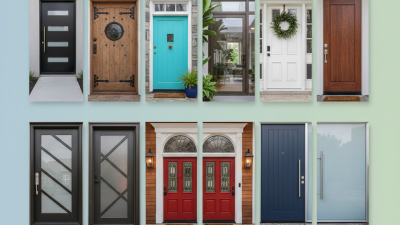
Global buyers can choose timber, steel, fiberglass, aluminum, glass, French, sliding, pivot, flush, or storm doors. Climate should guide the decision. In humid tropics, fiberglass and aluminum resist swelling and corrosion better than untreated timber. In cold zones, insulated cores, compression seals, and low air leakage matter most. The U.S. Department of Energy reports that air leakage can cause 25% to 40% of household heating and cooling energy use. That makes a poorly fitted door expensive, even when its purchase price seems low.
Security classes also need careful comparison. EN 1627 rates doors from RC1 to RC6, with higher classes requiring stronger resistance testing. Buyers should request the complete test certificate, not a sales label. In cyclone or hurricane regions, FEMA guidance supports impact-rated assemblies and properly anchored frames. Fire-rated doors require separate testing, often under standards such as UL 10C or equivalent local rules. Costs vary widely. The 2024 Cost vs. Value Report recorded a 188.1% resale-cost recoup for a U.S. steel entry-door replacement. That figure is regional, not universal. Installation quality, taxes, shipping, and wall conditions can change the result.
Tips: Compare the whole assembly, including frame, threshold, hinges, glass, and installation. Ask for U-value, air-leakage, water-resistance, and security documents. A realistic lifespan may reach 20 to 30 years for quality steel or fiberglass, while timber needs more maintenance. I would not trust a long warranty alone. Local exposure often matters more.