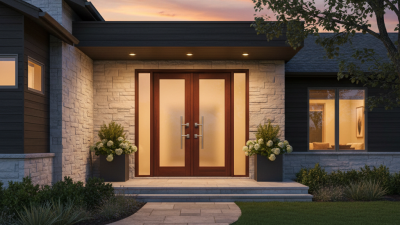
2026 Top Residential Entrance Doors for Global Buyers
Choosing the right residential entrance doors in 2026 requires more than comparing colors, prices, or showroom photographs. Global buyers face different climates, building methods, security expectations, and installation standards. A door that performs well in a dry European climate may swell in coastal humidity or lose efficiency during severe winters. Performance comes first. This guide examines insulated cores, weather seals, frame construction, glazing options, threshold design, and finish durability. It also considers practical details, such as whether the hinges can be adjusted after installation and whether replacement parts are available locally.
A reliable entrance door should balance security, thermal comfort, accessibility, and visual character. Steel, aluminum, timber, fiberglass, and hybrid systems each offer useful advantages. None is perfect. A heavy timber door may feel substantial, yet it needs careful moisture management. Aluminum can provide clean lines, but thermal breaks are essential. A beautiful door can still underperform if the installation is careless. That is easy to overlook. Buyers should verify product testing, warranty terms, maintenance requirements, and compatibility with local construction rules before ordering. Independent certification and clear manufacturer documentation deserve more trust than vague marketing claims. No ranking is flawless. This overview is designed as a practical starting point for comparing leading 2026 options, while encouraging buyers to confirm regional requirements, installer expertise, and long-term service support before making a final decision.
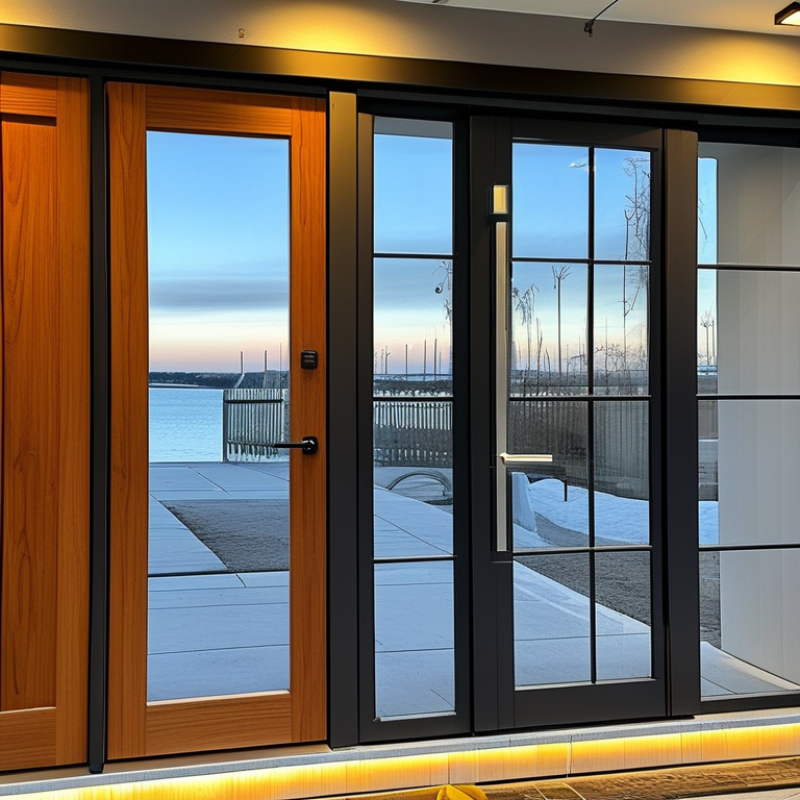
Residential Entrance Door Types and Their Global Applications
2026 Top Residential Entrance Doors for Global Buyers
Residential entrance doors now serve different needs across climates, cultures, and building styles. Their design affects security, comfort, maintenance, and daily movement. Solid timber doors provide warmth and visual depth, but they need careful sealing in humid regions. Steel doors offer strong resistance and stable performance, although poor insulation can create cold interior surfaces.
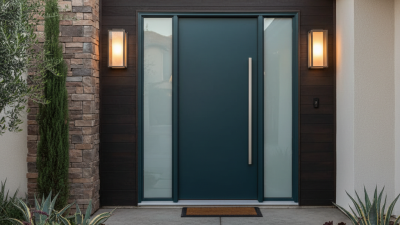
Fiberglass doors suit coastal homes because they resist moisture, swelling, and repeated temperature changes. Glass-panel doors bring daylight into narrow entrances, while laminated glazing improves privacy and impact resistance. In hot climates, insulated cores, shaded porches, and light-colored finishes can reduce heat gain. In colder regions, multi-point seals and low-conductivity frames help limit drafts. Performance still depends on correct installation.
Small details matter.
A door used in a busy family home should open smoothly, tolerate frequent contact, and provide a clear threshold. Homes with older residents may benefit from lever handles, wider openings, and low-step access. In dusty areas, recessed seals and easy-clean surfaces reduce routine work. Coastal buyers should inspect hinges, fasteners, and drainage paths for corrosion resistance.
Global buyers should check local wind, fire, energy, and accessibility requirements before ordering. Regional standards differ, and online specifications can hide important limitations. A thicker door is not automatically better. No door is perfect. I have seen attractive models underperform because installers ignored wall alignment or moisture protection. Measure the opening carefully, confirm hardware compatibility, and request documented test results. Good design should survive real weather, not only showroom lighting.
Key Materials, Construction Methods, and Durability Factors
For global buyers, an entrance door must match the local climate, not only the building style. Solid timber offers warmth and repairability, but it needs stable moisture control. Engineered timber reduces warping when layers are bonded correctly. Aluminum resists corrosion and suits humid regions, while insulated steel provides strong security and impact resistance. Material choice matters.
Construction quality often decides service life.
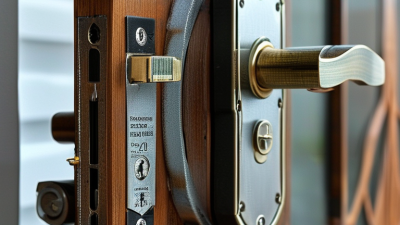
Look for a rigid frame, accurately fitted hinges, and a multi-layer weather seal. Thermal breaks reduce condensation around aluminum frames. A dense insulated core improves temperature control and reduces street noise.
Proper drainage beneath the threshold prevents trapped water. In coastal areas, corrosion-resistant fasteners are essential. Freeze-thaw climates need flexible seals that will not split after repeated temperature changes.
Tips: Ask for documented performance tests and installation guidance. Check the door’s resistance to wind, water, heat, and ultraviolet exposure. Inspect corners and joints closely. Small gaps become expensive later. During site reviews, I have seen excellent panels fail because installers ignored alignment. No material is maintenance-free. Even durable finishes need cleaning, seal checks, and occasional hardware adjustment. A perfect specification can still perform poorly when the wall opening is uneven or the threshold sits too low. Forecast the local weather, then select the construction method with fewer weak points.
How to Select the Right Entrance Door for Different Homes
2026 Top Residential Entrance Doors for Global Buyers
How to Select the Right Entrance Door for Different Homes
Choosing an entrance door begins with the home, not the catalogue. For a compact city apartment, measure the opening, corridor, and elevator before choosing a wide panel. A 900-millimetre door may look elegant, yet it can block furniture movement. Small details matter. Check inward clearance, threshold height, and daylight direction. For older residents or wheelchair users, choose a low threshold and an easy-to-operate lever. Ask an experienced installer to verify local building and fire requirements.
Climate changes the decision. In humid coastal areas, use corrosion-resistant hardware and finishes designed for strong sunlight. In cold regions, prioritize a sealed frame, insulated core, and reliable weatherstripping. Hot, dry locations may need a shaded porch to reduce heat entering the hallway. Timber provides warmth, but it needs honest maintenance planning. Metal offers strength, though poor thermal breaks can create a cold interior surface. Glass brings daylight, but choose privacy-conscious, impact-rated glazing where required. Do not judge security by weight alone. Look for tested locks, reinforced frames, strong hinges, and clear installation records.
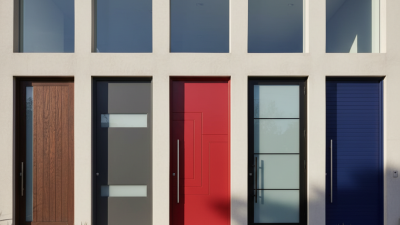
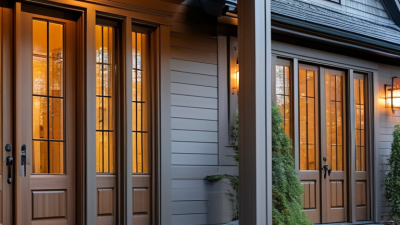
A modern villa may suit a flush door, while a traditional home often benefits from measured panel details. Match the scale and roofline instead of copying a fashionable image. Ask for samples in outdoor light. Colours can change beside stone, brick, or white plaster. Budget for delivery, removal, fitting, and future adjustment, not only the door leaf. A door can look perfect online and feel wrong at home. That is an easy mistake. Review drawings with a qualified local professional, especially when replacing an existing frame.
Global Standards, Customization Options, Installation, and Maintenance
2026 Top Residential Entrance Doors for Global Buyers
Global buyers should compare entrance doors against local building standards, not appearance alone. Requirements differ for thermal performance, wind pressure, water resistance, fire safety, and accessibility. Ask for verified test data and clear installation limits. A beautiful door can still perform poorly in a humid coastal climate.
Customization may include size, glazing, threshold height, opening direction, security hardware, finishes, and insulation levels. Low-emissivity glass can reduce heat transfer, while laminated glass may improve impact resistance. However, extra features increase weight and adjustment needs. Not every attractive option is practical. Confirm the finished wall opening before ordering. A small measurement error can delay an entire project.
Installation should follow the door manufacturer’s technical instructions and local codes. The frame must be square, plumb, and firmly anchored. Installers should seal joints continuously, especially around the sill and corners. Poor drainage can damage flooring and create hidden moisture problems. Maintenance is simple but easy to neglect. Clean surfaces with mild soap, inspect seals twice yearly, and lubricate moving hardware when recommended. In coastal areas, rinse salt deposits more often. Recheck alignment after seasonal changes. Even careful planning can miss site conditions, so a qualified local installer should inspect the opening before work begins.
2026 Top Residential Entrance Doors for Global Buyers
Global Standards, Customization Options, Installation, and Maintenance
The chart presents common nominal residential entrance-door leaf widths used as planning references in major markets. Wider formats generally provide improved accessibility and design flexibility, while final dimensions must be checked against local building codes, structural openings, hardware requirements, threshold rules, and energy-performance standards. Custom options may include glazing, sidelights, multipoint locks, low thresholds, weather seals, and high-performance insulation. Professional installation and an annual inspection of seals, hinges, locks, drainage, and surface finishes are recommended.