Choosing the right residential doors in 2026 requires more than following design trends. Homeowners now compare security, energy performance, durability, maintenance, and everyday comfort. A beautiful door can still disappoint if it swells, leaks air, or feels weak after repeated use.
This guide examines the leading residential door types expected to shape 2026 home design. Fiberglass doors offer realistic wood textures with lower maintenance. Steel doors provide strength and dependable insulation when properly finished. Solid wood doors bring warmth, craftsmanship, and distinctive grain, but they need regular protection against moisture. Aluminum and glass systems suit modern homes, especially where daylight and clean lines matter. Smart door systems add cameras, access controls, and activity alerts, although technology can create privacy and maintenance concerns.
Performance matters. Look closely at frame construction, weatherstripping, glazing, hinges, locks, and installation quality. A certified installer can identify weak points that product photos rarely show. Regional climate also changes the decision. Coastal homes may need corrosion-resistant materials, while cold regions benefit from insulated cores and tight seals. I have found that the most expensive option is not always the most reliable one. Small gaps around the frame can waste energy, even with a premium door slab.
There is no universal winner. The best choice depends on the home’s architecture, exposure, budget, and daily use. This comparison highlights practical strengths and overlooked limitations, helping buyers make a more informed 2026 decision. Trends matter, but proven performance matters more.
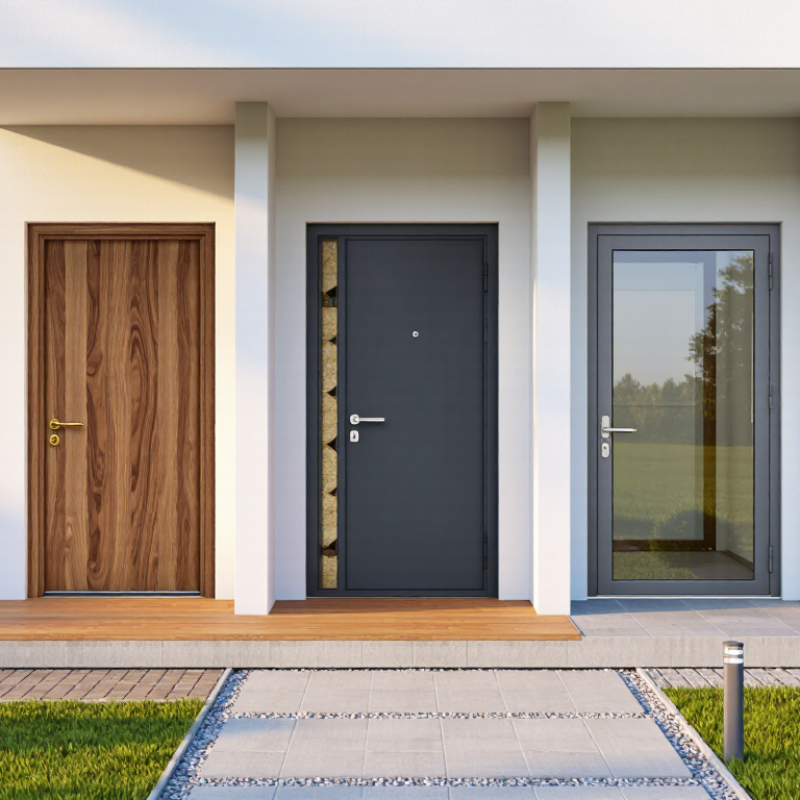
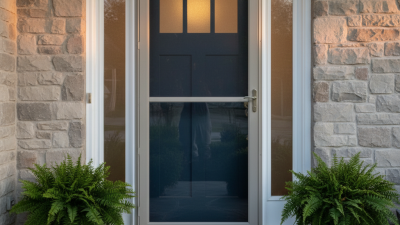
What defines the top residential door types in 2026 is not appearance alone. Homeowners now compare insulation, security, durability, accessibility, and maintenance. A well-built fiberglass door resists moisture and daily impacts, making it useful for exposed entrances. Steel doors offer strong protection and stable performance, but damaged surfaces may require prompt care. Solid-core interior doors also reduce noise between bedrooms and living areas.
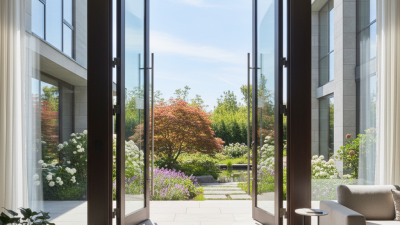
Wood doors still provide warmth and character. However, they need careful sealing in wet or changing climates. Sliding glass doors bring daylight and improve garden access, while modern multi-point locks can increase closing pressure and security. Energy performance depends on the complete system, including the frame, threshold, weatherstripping, and installation. A premium door can still perform poorly when fitted unevenly.
Tips: Check the door’s thermal rating, hinge strength, drainage design, and repair options. Measure the opening twice. Consider who uses the entrance daily, including children, older adults, and wheelchair users. Do not choose only by online photographs. A darker finish may look elegant, yet it can reveal scratches and absorb strong heat. There is no perfect door type. Local weather, household habits, and honest installation limits should guide the final decision.
The most common residential door categories in 2026 include hinged entry doors, sliding patio doors, French doors, pocket doors, and bifold doors. The chart compares their typical nominal opening widths used in residential construction.
Hinged entry doors commonly use a 36-inch single-leaf opening, while sliding patio and French door systems are frequently specified at approximately 72 inches. Pocket doors typically use a 36-inch opening, and bifold systems commonly span about 72 inches. Actual dimensions vary by project, accessibility requirements, and local building codes.
What Are the 2026 Top Residential Door Types?
How Exterior Materials Shape Residential Door Performance
In 2026, fiberglass, insulated steel, engineered wood, and solid wood remain leading residential door types. Their performance depends on more than appearance. Frame depth, weather seals, glazing, and installation quality often decide comfort. According to the U.S. Department of Energy’s 2020 Residential Energy Consumption Survey, space heating represented about 42% of household energy use. A poorly sealed entry door can undermine that efficiency, especially near tiled floors or windy porches.
Fiberglass doors resist moisture, dents, and seasonal swelling, making them practical in humid regions. Steel doors usually provide strong security and stable thermal performance, but damaged coatings can expose them to corrosion. Wood offers natural insulation and repairability, yet it needs careful sealing around edges and panels. It also moves with humidity. That detail is easy to overlook.
The National Fenestration Rating Council evaluates products through metrics such as U-factor and solar heat gain coefficient. These values matter more than material labels alone. A low U-factor limits heat transfer, while reliable air-leakage control reduces drafts. The DOE’s Building America research also emphasizes continuous insulation and properly sealed openings. I would not rank one material universally. A beautiful wood door may perform poorly after careless installation. Conversely, a modest fiberglass door can remain comfortable for years when its sill, jambs, and flashing are correctly fitted. Coastal exposure, direct sunlight, and local temperature swings should influence the final choice.
In 2026, residential doors are becoming more architectural than decorative. Contemporary homes often suit wide pivot doors with clean panels, concealed hardware, and textured wood surfaces. Their large scale strengthens tall façades and open entry halls. However, a pivot door may feel awkward in a narrow porch.
Traditional homes benefit from paneled timber doors, divided glass, and balanced proportions. These details complement brick, stone, and symmetrical windows. Craftsman houses usually pair well with sturdy doors featuring simple glass inserts and visible joinery. Colonial designs need restraint. Too much metal or oversized glazing can weaken their formal character.
✦ Modern farmhouse homes work with solid doors, black hardware, and warm natural finishes. Mediterranean houses often look better with arched shapes, carved details, or aged-looking surfaces. Coastal architecture favors light colors, broad glass panels, and moisture-resistant materials. Function still matters. Experienced installers check swing clearance, weather exposure, insulation, and threshold height before selecting a style.
I have seen beautiful doors fail because their proportions ignored the building. Design is not always predictable. A slim steel door may suit a minimalist home, yet feel cold beside handmade masonry. Likewise, natural wood can add warmth, but it needs regular care in harsh sunlight. The best choice respects both the façade and the daily habits of the household.
What Are the 2026 Top Residential Door Types?
By 2026, leading residential doors will combine insulation, durability, and connected access. Insulated fiberglass and steel doors remain practical choices for busy households. Wood and composite doors still appeal to homeowners wanting warmth and custom detailing. Sliding patio doors will also gain smarter sensors and stronger locking systems. Grand View Research valued the global smart lock market at approximately US$2.49 billion in 2023. Its report forecasts a 20.1% compound annual growth rate from 2024 to 2030.
Smart features are changing how residents use entry doors daily. Fingerprint readers, temporary access codes, mobile alerts, and automatic locking reduce the need for physical keys. A parent can check the lock while commuting. A contractor can receive a code that expires later. Quietly, this matters. NISTIR 8259A recommends unique device identity, secure software updates, and protected data for connected products. These principles should guide door selection, not just app design.
The most reliable systems still need manual override, visible battery warnings, and dependable operation during network outages. Convenience is not security. In field installations, poorly aligned doors often cause more trouble than software. That detail is easy to overlook. I would not call every connected door truly smart. A good 2026 entry door should seal tightly, resist forced impact, and explain failures clearly. Homeowners should compare U-factor ratings, hardware strength, privacy settings, and replacement costs before choosing connected features.
| Residential Door Type | Typical Construction | Primary 2026 Use | Indicative Insulated U-Factor Range | Energy Efficiency | Durability and Maintenance | Smart Features Commonly Added | Security Capability | Accessibility and Convenience |
|---|---|---|---|---|---|---|---|---|
| Insulated Fiberglass Entry Door | Fiberglass-reinforced skin over an insulated core, usually installed in a framed entry system. | Main front entrances where energy efficiency, weather resistance, and low maintenance are priorities. | Approximately 0.15–0.30 Btu/h·ft²·°F, depending on glazing, core, frame, and certification. | High | Resists moisture, corrosion, and warping better than many solid-wood applications; periodic seal inspection is recommended. | Keyless access, temporary PINs, smartphone control, door-position alerts, video doorbells, and automation with lighting or alarm systems. | High potential when paired with reinforced frames, long screws, multi-point hardware, and laminated glazing. | Motorized unlocking, remote access for caregivers, scheduled access, and low-threshold options. |
| Insulated Steel Entry Door | Painted or coated steel skins surrounding a foam-insulated core, commonly used in pre-hung systems. | Security-focused front, side, and service entrances in new construction and renovations. | Approximately 0.15–0.30 Btu/h·ft²·°F for insulated assemblies; glass and frame design affect the result. | High | Strong and generally cost-effective; exposed edges and damaged coatings should be repaired to help prevent corrosion. | Smart deadbolts, biometric or PIN entry, tamper notifications, access logs, remote locking, and battery-status alerts. | High potential because of the rigid door skin and compatibility with reinforced lock areas. | One-touch locking, remote verification, delivery access, and integration with entry lighting. |
| Solid or Engineered Wood Entry Door | Natural wood or laminated wood components, often combined with insulated panels, decorative glass, and protective finishes. | Architectural entrances where appearance, customization, and traditional design are important. | Approximately 0.20–0.40 Btu/h·ft²·°F, with significant variation by thickness, glass area, and frame construction. | Medium to high | Can provide long service life but requires finish maintenance and careful moisture control to limit swelling or movement. | Smart locks, concealed door sensors, video intercoms, access codes, and occupancy-based lighting controls. | High potential when the slab, frame, hinges, strike plate, and glazing are engineered as one system. | Hands-free unlocking, remote locking confirmation, and customizable access permissions. |
| Aluminum and Glass Entry Door | Thermally improved or non-thermally broken aluminum framing with insulated, laminated, or low-emissivity glazing. | Contemporary homes that emphasize daylight, slim sightlines, and modern façades. | Approximately 0.25–0.50 Btu/h·ft²·°F; frame thermal breaks and glazing selection are major factors. | Medium to high | Aluminum resists rot and insect damage; glass and seals require routine cleaning and inspection. | Electronic locks, intercoms, camera verification, mobile credentials, glass-break detection, and automatic privacy controls. | Medium to high potential depending on laminated glass, frame strength, locking points, and installation quality. | Wide clear openings, automatic operators, remote release, and visual confirmation for visitors. |
| Insulated Sliding Patio Door | Sliding panels with insulated glass in vinyl, aluminum, fiberglass, or composite frames. | Rear, garden, balcony, and patio connections where space-saving operation is required. | Approximately 0.25–0.45 Btu/h·ft²·°F, depending on glazing, frame, weather seals, and panel design. | Medium to high | Requires clean tracks, functional rollers, and intact weather seals; large glass areas can increase heat gain or loss. | Sliding-door sensors, open-state alerts, smart auxiliary locks, indoor cameras, and automated shades. | Medium unless equipped with anti-lift devices, reinforced locks, security glass, and properly fitted tracks. | Low-effort operation, wide openings, remote status checks, and optional powered opening systems. |
| French or Double Entry Door | Two hinged door leaves, often with glass panels, coordinated weather seals, and an active-plus-inactive locking arrangement. | Wide formal entrances and homes requiring greater furniture or equipment clearance. | Approximately 0.20–0.40 Btu/h·ft²·°F, depending on panel construction, glazing, center meeting seal, and frame. | Medium to high | Offers a broad opening but needs precise alignment, durable hinges, and regular inspection of the meeting seal. | Smart locks on the active leaf, secondary-leaf position sensors, video intercoms, access schedules, and remote alerts. | High potential when both leaves include secure top-and-bottom engagement and reinforced hardware. | Large clear passage, remote unlocking, visitor verification, and optional automatic operators. |
| Storm-Resistant or Impact-Rated Entry Door | Reinforced door and frame assemblies tested for severe weather, often using impact-resistant glazing and multi-point locking. | High-wind, coastal, and severe-weather regions where tested resistance is a design requirement. | Approximately 0.20–0.40 Btu/h·ft²·°F for insulated products; regional certification and glazing affect performance. | Medium to high | Designed for demanding exposure; seals, hardware, and frame anchoring must be maintained according to the tested assembly. | Wind and water sensors, door-position monitoring, remote locking, backup power alerts, and integration with emergency systems. | High potential when the complete door, frame, hardware, and installation meet the applicable local requirements. | Remote pre-storm checks, automatic locking routines, emergency notifications, and accessible powered hardware. |
Note: U-factor values are indicative ranges for insulated residential door assemblies and are not product ratings. Actual performance depends on the complete door system, glazing, frame, weather seals, installation, climate, and applicable building standards. Smart functions require compatible electronic hardware, a suitable power source, and an appropriate home network or local control method.
Choosing a residential door in 2026 requires more than comparing colors and panel styles. Entry doors, sliding glass doors, hinged patio doors, and insulated utility doors each solve different problems. The U.S. Energy Information Administration’s 2020 Residential Energy Consumption Survey found that heating and air conditioning used about half of household energy. Therefore, an entry door with a low U-factor and reliable weatherstripping deserves serious attention.
Material affects comfort, maintenance, and security. Steel doors often provide strong value and resist warping, while fiberglass doors handle moisture with fewer upkeep demands. Wood feels warm and authentic, but it needs careful sealing, especially near a wet porch. The 2024 Cost vs. Value Report recorded about 188% cost recoupment for a steel entry door replacement. That figure is impressive, but it should not control every decision. Local labor prices can change the result.
Glass doors need closer inspection. Look for insulated glazing, tight frame joints, and suitable solar-control performance for the room’s direction. A west-facing patio door may create harsh afternoon heat. A north-facing entrance may need more daylight instead.
I have seen attractive doors perform poorly because installers ignored the threshold and wall connection. Small gaps matter. Ask for tested air-leakage and water-resistance ratings, not only a decorative sample.
My earlier assumption was simple: thicker materials meant better doors. That is incomplete. Installation quality, drainage, and daily exposure can matter just as much.