Doors &
Windows

How to Choose the Best Residential Doors for Your Home?

Choosing the right residential doors is crucial for any homeowner. The door is more than just an entry point; it impacts security, aesthetics, and energy efficiency. According to a recent report by the Door and Hardware Institute, 70% of homeowners prioritize energy efficiency when selecting residential doors. With the variety of materials and styles available, finding the perfect match can be overwhelming.

Expert Bob Reed, a leading figure in the residential doors industry, states, "A door is an investment in your home's safety and style." This highlights the importance of making informed choices. Many overlook the details, such as insulation R-value or security ratings, which can affect long-term performance. With options ranging from fiberglass to solid wood, it’s essential to weigh the pros and cons.

The decision process can be daunting. Homeowners should avoid rushing the selection. Each type offers unique benefits. For instance, steel doors provide enhanced security, while wooden doors deliver classic beauty. Ultimately, your choice reflects your home’s character and your values as a homeowner. Paying attention to these aspects will lead to a more satisfactory installation.

How to Choose the Best Residential Doors for Your Home?

Factors to Consider When Selecting Residential Doors

When selecting residential doors, several key factors come into play. The material of the door is crucial. Options include wood, fiberglass, and steel. Each has its own advantages and disadvantages. For example, wood doors provide a classic look but require maintenance. On the other hand, fiberglass doors resist dents and scratches but may not offer the same warmth as wood.

Security is another vital consideration. Look for doors with robust locks and solid frames. A heavy-duty door can deter potential intruders. Additionally, energy efficiency is essential. Doors with proper insulation can significantly reduce heating and cooling costs. Pay attention to Energy Star ratings. They indicate energy efficiency standards.

Aesthetics and style also factor into your decision. The door should complement your home's architecture. You might want a modern look or a more traditional style. Think about colors and finishes too. These elements will affect your home's curb appeal. It’s worth taking the time to explore options. Reflect on your needs, preferences, and the overall look you desire. Making the right choice takes careful consideration, but it can enhance both your home's value and your personal comfort.

Types of Residential Doors and Their Features

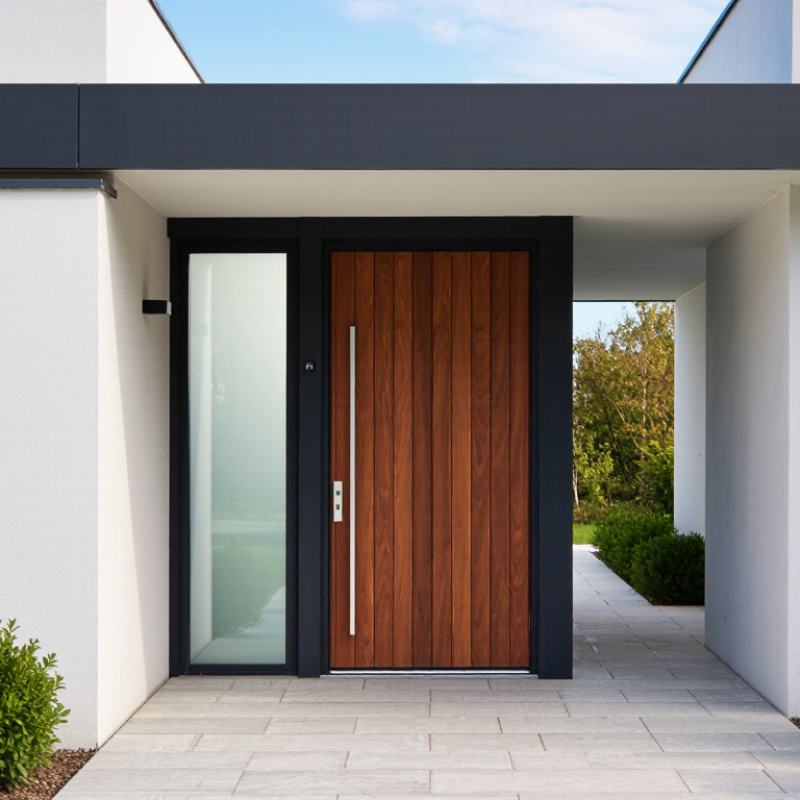
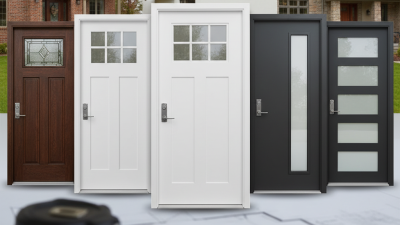
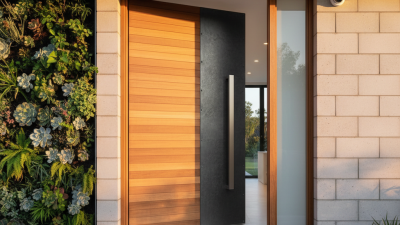
When considering residential doors, it's essential to explore the various types available and their distinct features. Wooden doors are classic and have an inviting appeal. They can be custom-made and painted to match your home’s decor. However, they require maintenance to prevent warping or rotting over time.

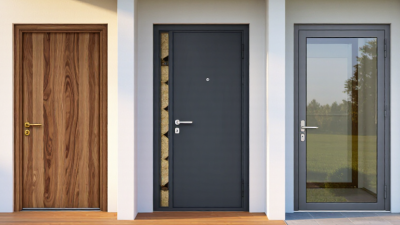
Steel doors provide strength and security. They are durable and resistant to wear. Insulated options can enhance energy efficiency. Yet, their limited aesthetics may not suit everyone’s taste.

Fiberglass doors offer a blend of durability and style. They can mimic wood without the high upkeep. Still, some might feel they lack the warmth of real wood.

Glass doors, such as sliding or French styles, can enhance natural light in your home. They create an open feel, but privacy can be a concern. You must weigh the pros and cons of each type. Is durability more critical than design for you? Reflecting on your needs will lead to a better choice.

Materials Used in Residential Door Manufacturing

When selecting the best residential doors for your home, understanding the materials used in manufacturing is crucial. Wood, fiberglass, and steel are the most common options. Wood doors provide natural beauty and insulation. However, they require regular maintenance to prevent warping and decay. According to a 2021 study by the National Association of Manufacturers, homeowners reported a satisfaction rate of 85% with wood doors, emphasizing their aesthetic appeal.

Fiberglass doors, on the other hand, offer durability and low maintenance. They can mimic the appearance of wood while resisting dents and scratches. A report from the U.S. Department of Energy indicates that fiberglass doors can improve energy efficiency by up to 15%. They may not have the same warmth as wood but provide long-lasting performance.

Steel doors excel in security and energy efficiency. Many are insulated and can withstand harsh weather conditions. Data from the American Lumber Standard Committee indicates that steel doors can reduce heating costs by approximately 10% compared to traditional wood doors. It's important to consider local climate and personal preferences when making this decision.

Consider balancing aesthetics and performance. Think about the environment where your door will be installed. Evaluate the maintenance needs before choosing a material. Each option has pros and cons that must fit your lifestyle. Understanding these materials helps create a safe and beautiful entry to your home.

Energy Efficiency and Security Features to Look For

When choosing residential doors, focusing on energy efficiency and security is crucial. Energy-efficient doors can significantly reduce heating and cooling costs. Look for options with good insulation properties. Doors with multiple layers and energy-efficient glazing can help maintain a comfortable indoor temperature. Consider the door's material. Fiberglass and steel options often provide better insulation than solid wood.

Security features are essential for protecting your home. Look for doors with strong materials and sturdy locks. Reinforced frames can improve security. Some doors come with integrated smart locks. These can offer an extra layer of safety. Also, consider the door's resistance to forced entry. Ratings, such as those from independent organizations, can guide your choices.

Take time to reflect on your specific needs. Your local climate impacts energy efficiency. Neighborhood safety can influence your choice of security features. Investing in high-quality doors may be costly upfront but can offer long-term savings and peace of mind. Balancing these factors is key to making the right choice for your home.

Comparison of Energy Efficiency and Security Features in Residential Doors

Tips for Measuring and Installing Your Chosen Door

When you choose a residential door, measuring accurately is crucial. Start by measuring the width and height of the door frame. Use a tape measure for precision. Remember to measure at three points: the top, middle, and bottom. This will help you account for any irregularities in the frame. Subtract a small margin to ensure a comfortable fit; this is especially important if you plan to paint or add trim later.

Installation might seem straightforward, but it often presents challenges. Always have a level handy. Use shims to adjust the door for proper alignment. Make sure to check the swing direction before installing. Door hardware should fit snugly and function properly. Each misalignment can lead to gaps, drafts, and stability issues. Consider watching installation tutorials for visual guidance. Reflect on any previous experiences with DIY projects. It is helpful to learn from mistakes. Good preparation and research can save time and frustration.

How to Choose the Best Residential Doors for Your Home?

Door Type Material Energy Efficiency Rating Average Price ($) Installation Difficulty
Entry Door Fiberglass High 1200 Moderate
Patio Door Vinyl Moderate 800 Easy
Interior Door Wood N/A 400 Easy
French Door Aluminum High 1500 Moderate