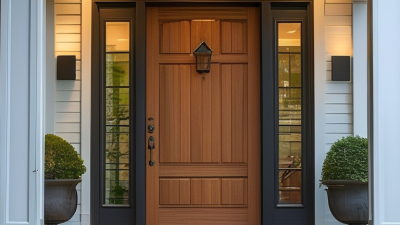
Why Choose the Best Doors and Windows for Your Home?
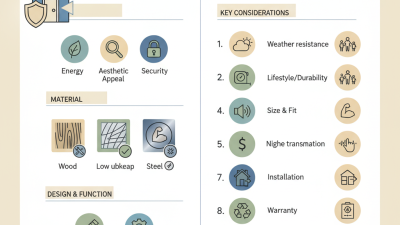
Choosing the right doors and windows for your home is a significant decision. They not only define your home’s aesthetic appeal but also impact energy efficiency and security. Expert architect Sarah Thompson once said, "Quality doors and windows can transform a house into a home." Her insight highlights the value of making informed choices.
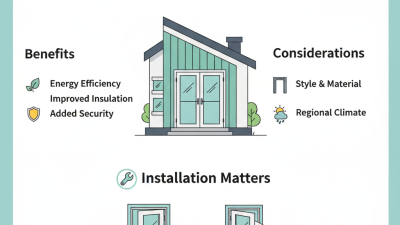
Doors and windows are more than mere functional elements. They serve as vital barriers against the elements and intruders. The right selections can enhance insulation, saving you money on heating and cooling. Conversely, poor choices may lead to drafts, elevated energy bills, and compromised safety.
Many homeowners overlook the long-term benefits of quality materials. Investing in durable options like fiberglass or reinforced wood can yield returns over time. Yet, it’s easy to be swayed by aesthetic trends rather than practicality. Take a moment to reflect on both form and function. Ultimately, the right doors and windows can greatly influence your living experience.

The Importance of Quality Doors and Windows for Home Protection
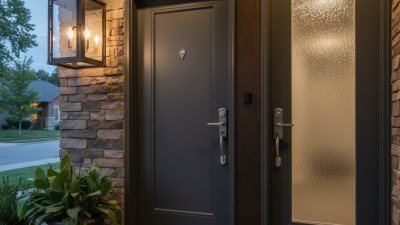
Choosing quality doors and windows is not just about aesthetics; it’s crucial for home protection. Well-constructed doors and windows act as barriers against intruders and harsh weather. They reduce the risk of break-ins and provide peace of mind. A secure entrance significantly enhances your home’s safety.
When selecting doors and windows, consider materials and construction. Stainless steel or fiberglass options are often sturdier than traditional wood. Look for energy-efficient designs that minimize heat loss. Remember, affordability doesn’t always equal quality. Spending a bit more can save you in repairs later.
Tips: Always check the door and window seals. Gaps can invite both cold air and unwanted visitors. Consider installing deadbolts for extra security. Simple measures can drastically improve your home’s safety. Update older models; outdated designs may lack proper protection. Investing in quality truly pays off in the long run.
Energy Efficiency Benefits of Choosing the Right Doors and Windows
Choosing the right doors and windows significantly impacts energy efficiency in homes. According to the Department of Energy, about 30% of a home's heating and cooling energy is lost through inefficient windows and doors. High-quality installations help reduce this loss, translating to lower utility bills.
In recent years, energy-efficient windows have become more accessible. Double or triple-glazing options offer better insulation compared to single-pane models. A study by the National Fenestration Rating Council reveals that homes with energy-efficient windows can save up to $500 a year in energy costs. However, many homeowners still opt for budget options, neglecting long-term benefits.
The material also plays a crucial role in energy efficiency. Vinyl frames tend to perform better than aluminum in insulation. Still, some tend to choose aesthetics over functionality. This decision might lead to increased energy expenditure over time. Investing in quality with a focus on features like Low-E coatings can promote comfort while saving money. Careful consideration is important to achieve the best outcome for both the environment and your wallet.
Why Choose the Best Doors and Windows for Your Home? - Energy Efficiency Benefits of Choosing the Right Doors and Windows
| Type |
Material |
Energy Efficiency Rating (U-Value) |
Estimated Cost ($) |
Lifespan (Years) |
| Entry Door |
Fiberglass |
0.17 |
800 |
30 |
| Sliding Window |
Vinyl |
0.30 |
500 |
25 |
| Casement Window |
Wood |
0.24 |
600 |
30 |
| Awning Window |
Aluminum |
0.35 |
400 |
30 |
| Patio Door |
Fiberglass |
0.20 |
900 |
30 |
Aesthetic Appeal: Enhancing Your Home's Exterior with Proper Choices
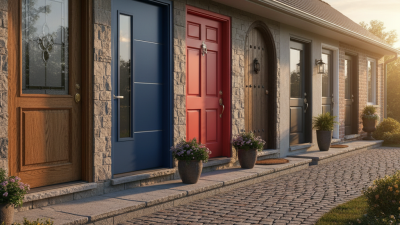
Choosing the right doors and windows significantly enhances your home's aesthetic. According to a report by the National Association of Realtors, homes with well-designed doors and windows can increase curb appeal by as much as 10%. This is crucial when considering the exterior appeal of your property, especially in competitive markets.
Color and style play vital roles in this enhancement. A recent survey found that 76% of home buyers are influenced by the appearance of windows. Choosing designs that complement your home's architecture can create a cohesive look. However, homeowners often overlook the importance of maintenance. Well-chosen materials can be both beautiful and functional, but neglect may lead to deterioration, diminishing their initial appeal.
Investing in high-quality doors and windows is just the beginning. The right choices should also reflect personal style while ensuring durability. Energy-efficient designs are becoming more popular, and they can boost comfort and savings. However, not all options are created equal. Some may promise efficiency but fail in real-world use. Thus, research is essential to navigate these decisions effectively.
Enhancing Aesthetic Appeal: Windows and Doors Choices
Material Options: Comparing Wood, Vinyl, and Aluminum for Durability
Choosing the right doors and windows significantly impacts your home's energy efficiency and aesthetic appeal. When considering materials, wood, vinyl, and aluminum each bring unique advantages and drawbacks to the table. According to a survey by the American Architectural Manufacturers Association, over 70% of homeowners report that the material choice affects their decision on home renovations.
Wood offers natural beauty and excellent insulation. It can last for decades if properly maintained. However, it requires regular upkeep, making it potentially more costly in the long run. In contrast, vinyl windows provide low maintenance and high energy efficiency. A report by the U.S. Department of Energy claims vinyl windows can improve energy savings by 30%. Unfortunately, they may lack the aesthetic appeal of wood. Aluminum, while durable and lightweight, conducts heat and cold and might lead to higher energy bills.
Tip: When choosing windows, consider local climate conditions. Select materials that will withstand weather challenges in your area.
Additionally, think about the longevity of your investment. Wood may need painting or sealing every few years, while vinyl and aluminum may offer greater resilience with less frequent upkeep. Understanding these nuances can lead to better decision-making.
Tip: Always check for energy-efficient ratings. Look for windows and doors that meet ENERGY STAR® standards for optimal performance.
Long-Term Cost Savings: What to Consider for Future Maintenance and Repair
Choosing the best doors and windows is essential for your home. Long-term cost savings play a crucial role in this decision. Proper installation and quality materials can reduce future maintenance. This can alleviate unexpected repair costs later.
Invest in energy-efficient options. These might cost more upfront but save money on utility bills. For example, insulated windows maintain temperature efficiently. This can lower heating and cooling costs significantly.
Building materials matter. Look for durable materials that withstand weather changes. Wood may require more maintenance than vinyl. Regular inspections can prevent larger issues down the road. Don’t overlook the importance of proper sealing. This can help avoid leaks and air infiltration. A well-sealed home enhances comfort and lowers costs.
Consider all these factors when selecting doors and windows. It’s not just about aesthetics. Reflecting on your choices can lead to significant savings. Architectural style and functionality should harmonize with maintenance efforts. It’s about finding the right balance for your home.