Doors &
Windows

Top Tips for Choosing Storm Screen Doors for Your Home

In recent years, the focus on home safety has intensified. Storm screen doors have become essential for many homeowners looking to enhance security and energy efficiency. According to industry reports, installing quality storm screen doors can reduce energy costs by up to 25%. This statistic underscores their value, especially in regions prone to extreme weather.

Many options are available, but not all storm screen doors are made equal. Factors like material, insulation, and design can significantly impact performance. Homeowners often overlook the importance of these features. Unfortunately, many end up purchasing doors that do not meet their needs, leading to higher energy bills or inadequate protection from storms.

Choosing the right storm screen doors is crucial. A solid choice can ensure safety during storms and improve your home's overall appeal. However, understanding different products requires informed research and consideration of specific home needs. You must weigh aesthetics against functionality. This balance is key to making an empowered decision that aligns with long-term benefits.

Top Tips for Choosing Storm Screen Doors for Your Home

Benefits of Installing Storm Screen Doors in Your Home

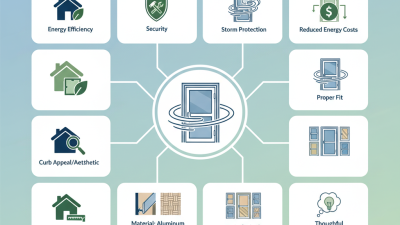
Installing storm screen doors offers numerous benefits for homeowners. These doors provide an extra layer of protection against harsh weather conditions. They can keep out rain, wind, and snow, ensuring a more secure environment for your home. Additionally, they improve energy efficiency by reducing drafts and keeping indoor temperatures stable. Homeowners may also enjoy the added benefit of increased security.

When choosing storm screen doors, consider the material. Aluminum and fiberglass options are durable and resist corrosion. They are also lightweight, making them easy to operate. Look for energy-efficient models that come with weather stripping. This can enhance insulation and contribute to lower energy bills. Aesthetic appeal is also important; choose a style that complements your home décor.

Make sure to measure door frames accurately. This ensures a proper fit, preventing gaps. Also, check for adjustable features that allow customization. Installation should be straightforward, but don’t hesitate to consult a professional. An improper installation can lead to future issues. Reflect on your local climate as well; specific materials may perform better in various conditions.

Key Factors to Consider When Choosing Storm Screen Doors

When selecting storm screen doors, several key factors deserve careful consideration. The material of the door is crucial. Recent industry reports highlight that fiberglass doors outperform traditional wood and metal options in terms of durability and insulation. For homes in storm-prone areas, choosing doors with a higher impact resistance rating can offer significant protection.

Another important aspect is the door's energy efficiency. Energy-efficient storm screen doors can help lower heating and cooling costs by maintaining consistent indoor temperatures. According to the U.S. Department of Energy, efficient doors can reduce energy bills by up to 20%.

**Tip:** Look for doors with a low U-factor for better insulation.

Aesthetic appeal should not be overlooked. Storm screen doors come in various styles and colors that can enhance a home's exterior. Homeowners should also consider ease of use. A door with good hardware and a reliable locking mechanism ensures safety and convenience. It's common for consumers to neglect maintenance needs; understanding this can save future headaches.

**Tip:** Choose a design that complements your home’s architecture while ensuring functionality.

Types of Storm Screen Doors and Their Features

When selecting storm screen doors for your home, understanding the types available is crucial. Common options include full-view, retractable, and traditional storm doors. Full-view doors feature large glass panels, allowing abundant natural light and unobstructed views. In contrast, traditional storm doors combine a solid panel with a solid insert, offering insulation and security. Research suggests that homes with full-view storm doors report up to a 15% increase in energy efficiency, as they provide better insulation compared to conventional doors.

Retractable storm doors are gaining popularity due to their versatility. They can be rolled up or down as needed, ensuring flexibility for ventilation without compromising aesthetics. According to the American Architectural Manufacturers Association, retractable models can reduce wear and tear on mechanisms, extending lifespan by an estimated 30%. However, some homeowners struggle with installation complexities and maintenance needs, which could lead to costly repairs if mishandled.

Another factor to consider is the material used in storm screen doors. Aluminum and fiberglass are popular due to their durability and low upkeep. However, wood options present a classic look, demanding regular maintenance. Professional recommendations often highlight the importance of considering regional climate. For instance, homes in areas with extreme weather may require heavier-duty materials. Balancing style, functionality, and climate needs is essential for effective long-term use.

Material Options for Durability and Aesthetics

When selecting storm screen doors, the choice of material significantly impacts both durability and aesthetics. Common options include fiberglass, aluminum, and vinyl. According to a recent industry report, fiberglass doors offer excellent insulation properties, which can enhance energy efficiency by up to 15%. These doors resist warping and maintain their appearance over time, making them a practical choice.

Aluminum doors, on the other hand, provide strength without excessive weight. They are resistant to corrosion, which is crucial in coastal areas. Their lifespan often exceeds 20 years with proper maintenance. However, they may lack the same insulation properties as fiberglass. A careful evaluation of climate conditions and personal preferences can inform this decision.

Vinyl doors are popular for their low maintenance requirements. They come in various colors and styles, offering aesthetic flexibility. However, some reports suggest they may not endure extreme temperatures as well as aluminum or fiberglass. The trade-offs between durability and visual appeal should be considered thoughtfully. Balancing these factors can lead to a more satisfying choice for homeowners.

Installation and Maintenance Tips for Storm Screen Doors

Installing storm screen doors can enhance your home's protection against harsh weather. Proper installation is key. Start by ensuring you select the right size for your door frame. It’s crucial to follow the manufacturer’s guidelines. Align the door properly during installation to avoid misalignment later. A bit of patience goes a long way. If you rush, it can lead to gaps that allow drafts and pests inside.


Maintenance is as essential as installation. Periodically inspect the hinges and locks. Tightening screws can prevent future issues. Clean the screen regularly to avoid dirt buildup. Using mild soap and water is effective. A neglected door can lead to corrosion, reducing its lifespan. Don’t wait until you see visible damage; proactive care is always better.


Sometimes, homeowners overlook the importance of weatherstripping. A simple addition can block out cold air and dampness. You might find it challenging initially, but mastering this task builds your confidence. Remember, storm doors should be functional and serve their purpose well.