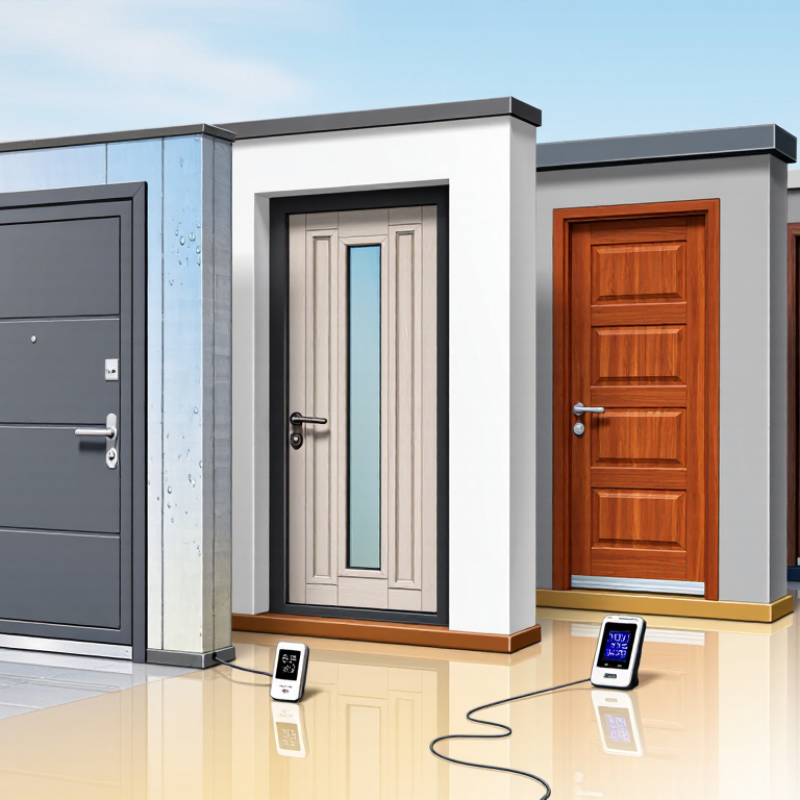
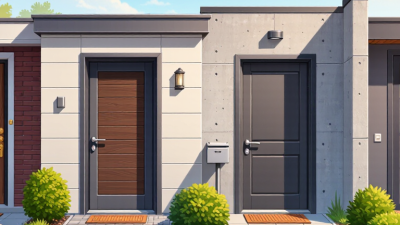
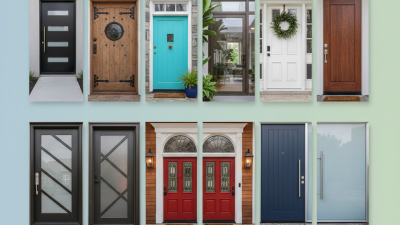
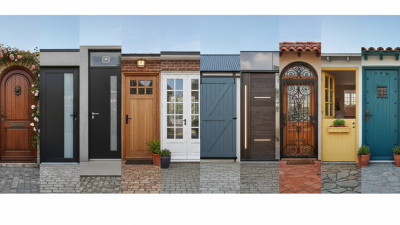
Choosing outer doors in 2026 requires more than comparing colors, prices, and catalogue photographs. Global buyers must assess climate, security expectations, installation quality, maintenance access, and local building standards. A steel door may suit a high-traffic entrance, while insulated fiberglass can perform better in humid coastal conditions. Timber still offers warmth and repairability, but it demands disciplined moisture protection. Small details matter. A poor threshold can undermine an expensive door.
Energy performance deserves closer attention. The International Energy Agency reports that buildings consume approximately 30% of global final energy. It also identifies building envelopes as important areas for efficiency improvement. The U.S. Department of Energy notes that openings can become major paths for heat transfer when sealing and insulation are weak. These findings make door cores, frames, weatherstripping, glazing, and installation methods commercial decisions, not decorative details. ISO 10077-1 provides a recognized method for evaluating thermal transmittance in windows and doors. Buyers should request tested U-values, air-leakage results, water-resistance data, and hardware specifications.
No single door type wins everywhere. That is the uncomfortable part. A specification that works in Toronto may fail in Dubai, Manila, or a windy island market. Even published performance values can change after installation. This guide compares the leading outer doors for 2026 through practical criteria, including durability, thermal control, security, design flexibility, lifecycle cost, and supply reliability. The ranking remains a working reference, not a permanent verdict. Local exposure, installer skill, and honest product documentation can change the final choice.
In 2026, an outer door is more than a movable wall or decorative entrance. It is a tested building component separating indoor space from weather, noise, security risks, and temperature changes. Its performance depends on the complete assembly: door leaf, frame, threshold, seals, hinges, glazing, and locking hardware. A high-quality panel can still fail when installation leaves a visible gap beneath the threshold.
This definition matters as buildings become more energy-conscious. The 2024 Global Status Report for Buildings and Construction, published by the International Energy Agency and the United Nations Environment Programme, reports that buildings consume about 32% of global final energy and create roughly 34% of global carbon emissions. Therefore, global buyers should compare thermal transmittance, air leakage, water resistance, and solar exposure, not only material or appearance.
Insulated steel doors suit demanding security applications.
Thermally broken aluminum supports slim, glazed designs.
Fiberglass offers stable performance in humid climates.
Engineered timber provides strong insulation when properly sealed.
Details decide outcomes. A continuous weather seal, drained sill, and correctly sized frame can outperform a cheaper door with impressive marketing language. Test standards such as EN 14351-1 and ISO 10077-1 help buyers compare declared performance. Still, ratings are not magic. Poor installation can erase laboratory advantages.
I would also question oversized glazing in harsh climates; it may improve daylight but increase heat gain. The best outer door is the one matched to the building, climate, exposure, and maintenance reality.
2026 Top Outer Door Types for Global Buyers
Main Outer Door Types and Their Core Features
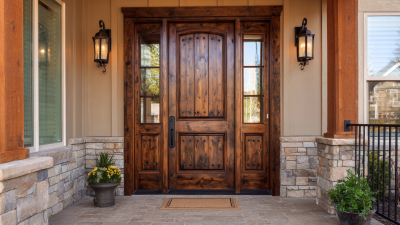
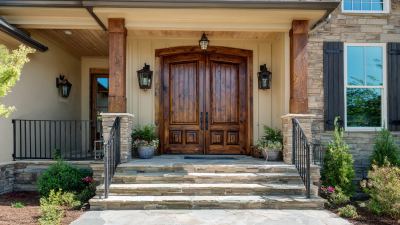
Solid wood doors bring warmth, weight, and a distinctive natural grain. They suit traditional homes and premium residential projects. However, timber needs careful sealing, especially in humid or rainy climates. A small gap may appear after seasonal changes.
Steel doors offer strong impact resistance and stable performance. Their dense cores can also improve sound control. Buyers should inspect the coating, frame construction, and drainage details. Poor surface protection may lead to corrosion near coastal areas.
Fiberglass doors imitate wood while resisting moisture, dents, and temperature changes. They usually need less maintenance than natural timber. Their appearance can feel slightly less authentic. That trade-off matters in luxury projects.
Aluminum doors are lightweight and resist rust in many environments. Large glazed designs can bring daylight into entrance halls. Thermal breaks are important in hot or cold regions. Without them, the inner frame may transfer heat quickly.
uPVC doors provide practical insulation and simple maintenance. They work well for budget-conscious housing and moderate climates. Frame quality varies widely between suppliers. Buyers should request tested thermal and weather-performance data.
Glass entrance doors create a clean, open impression. Laminated or tempered glass improves everyday safety. Yet glass can reduce privacy and increase cleaning work. Hardware, seals, hinges, and installation quality often decide real performance.
There is no perfect outer door. Climate, building style, security needs, maintenance habits, and budget must be assessed together. Product photos rarely reveal these details. A sample corner, technical sheet, and installation reference can expose weaknesses before shipment.
Material choice often decides whether an outer door stays stable or becomes troublesome. Steel doors provide strong security and resist everyday impacts. However, exposed edges may rust when coatings fail in humid or coastal climates. Aluminum offers low weight and good corrosion resistance. It can still dent more easily than expected. Fiberglass performs well under sunlight, rain, and temperature changes. Its surface can imitate wood without demanding frequent repainting. Solid wood gives warmth and repairability. Yet, it needs careful sealing because moisture can cause swelling, cracking, or warping.
During site inspections, I have seen installation errors shorten a door’s life faster than poor materials. A durable slab cannot compensate for a weak frame. Thermal breaks matter in cold regions. They reduce heat transfer around the opening. In hot climates, light-colored finishes may limit surface expansion. Door cores also deserve attention. Insulated cores improve comfort, while reinforced cores support heavier hardware. The “best” material is not universal. I once underestimated local humidity, and the chosen finish aged sooner than planned.
Tips: Match the material to climate, exposure, and maintenance habits. Check frame construction, drainage paths, hinge strength, and coating thickness. Ask for tested resistance to water, wind, and repeated opening cycles. Inspect sample corners and seals, not only the front surface. Small gaps become serious problems. Allow space for seasonal movement, especially with wood. A practical choice may look less impressive, but it usually performs longer with fewer repairs.
Outer doors should match the climate before they match the façade. In humid coastal areas, fiberglass or protected aluminum resists swelling and corrosion better than untreated timber. Use stainless hardware and durable weather seals. In cold regions, insulated steel or fiberglass reduces heat loss around living spaces. A tight threshold matters. Small gaps waste heat.
Hot, dry climates demand doors that resist ultraviolet exposure, dust, and repeated temperature changes. Choose stable cores, shaded finishes, and adjustable seals. For homes, a secure insulated door can improve comfort and reduce outside noise. Apartment entrances need stronger hinges, closers, and fire-rated construction where required. Schools and clinics benefit from wide, low-maintenance doors that tolerate frequent opening. A beautiful door can still be the wrong door.
For warehouses, workshops, and service areas, steel doors often provide useful impact resistance. Glass panels can improve daylight, but they need suitable safety specifications and careful placement. Field inspections often reveal poor drainage beneath otherwise expensive doors. That mistake is easy to miss. Review climate data, building use, maintenance access, and verified performance ratings before ordering. Local construction requirements should also guide dimensions, fire performance, and accessibility. I would not treat one material as universally superior; installation quality can change the result more than the brochure suggests.
| Outer Door Type | Typical Core or Material | Recommended Climate | Suitable Building Uses | Thermal Performance | Moisture and Weather Resistance | Security and Durability | Maintenance Level | Key Selection Considerations |
|---|---|---|---|---|---|---|---|---|
| Insulated Fiberglass Entry Door | Fiberglass-reinforced skin with a polyurethane or polystyrene foam core | Cold, mixed, hot, humid, and coastal climates | Detached houses, apartments, offices, and low-rise commercial buildings | High | Very good resistance to rot, corrosion, and moderate salt exposure when properly finished | High; resists dents better than many wood doors and accepts multi-point locking systems | Low | Choose a thermally broken frame, compression weather seals, low-conductivity threshold, and a finish rated for the intended UV exposure |
| Insulated Steel Security Door | Galvanized or coated steel skins with a foam-insulated core | Cold, mixed, dry, and high-security applications | Apartments, warehouses, utility rooms, service entrances, and industrial buildings | High | Good when the coating is intact; exposed scratches and cut edges require prompt repair to limit corrosion | Very high impact and forced-entry resistance when paired with reinforced frames and tested hardware | Low to medium | Use corrosion-resistant coatings in humid or coastal locations and avoid dark finishes in intense direct sunlight where heat buildup is a concern |
| Solid Wood Exterior Door | Engineered or solid timber construction with protective exterior coatings | Temperate, dry, and sheltered climates | Custom homes, heritage buildings, villas, and premium residential entrances | Medium | Moderate; requires careful sealing against rain, humidity, and repeated wetting and drying | High structural strength, but movement, swelling, and surface deterioration are possible without regular care | High | Specify stable joinery, drip edges, adequate overhangs, all-surface sealing, and periodic refinishing; avoid unprotected exposure in very wet climates |
| Engineered Wood Exterior Door | Bonded timber layers, composite wood components, or laminated wood with an insulated core | Mixed, temperate, and moderately humid climates | Residential entrances, hospitality buildings, and architecturally styled offices | Medium to high | Better dimensional stability than many solid wood doors, provided edges and faces are fully protected | High; stable construction helps reduce warping and joint movement | Medium | Check the exposure rating, veneer protection, bottom-edge sealing, and compatibility between the door slab and frame |
| Aluminum-Framed Glass Door | Powder-coated or anodized aluminum frame with double or triple insulating glass | Hot, humid, coastal, and mixed climates | Retail stores, offices, hotels, restaurants, balconies, and modern homes | Medium to high | Very good when aluminum finishes, seals, drainage paths, and glazing gaskets are correctly specified | Medium to high; laminated or tempered safety glass improves impact and injury protection | Low to medium | Select thermally broken frames, low-emissivity glass, solar-control coatings, laminated glass where security matters, and stainless or corrosion-resistant hardware near the sea |
| uPVC Exterior Door | Multi-chamber rigid uPVC profile with insulated panels or double glazing | Cold, mixed, humid, and moderate coastal climates | Residential entrances, balconies, utility rooms, and small commercial buildings | High | Very good resistance to moisture, insects, and rot; quality varies with profile design and reinforcement | Medium to high; reinforced profiles and modern locking systems improve performance | Low | Verify steel reinforcement, weld quality, UV stability, drainage design, hardware grade, and compatibility with local wind loads |
| Composite Exterior Door | Combination of fiberglass, engineered wood, polymer layers, and insulated foam core | Cold, hot, wet, mixed, and high-exposure climates | High-performance homes, apartments, coastal houses, and energy-efficient renovations | Very high | Very good; non-porous outer skins reduce rot and swelling, while seals protect the insulated core | High; offers good resistance to weathering and everyday impact | Low | Compare whole-door U-value, frame performance, threshold design, water penetration results, and the replaceability of seals and hardware |
| Louvered or Ventilated Exterior Door | Aluminum, steel, wood, or composite frame with fixed or adjustable louvers | Hot and humid climates where controlled airflow is required | Plant rooms, service areas, tropical homes, workshops, and equipment enclosures | Low to medium | Good for ventilation, but not suitable where complete air and water sealing is required unless specially engineered | Medium; security grilles, reinforced louvers, and tamper-resistant hardware may be added | Low to medium | Use insect screens, rain-resistant louver profiles, corrosion-resistant materials, and avoid this type for primary conditioned entrances unless tested for air leakage |
| Thermally Broken Steel or Aluminum Door | Metal skins or frames separated by a low-conductivity thermal barrier, often with insulated glazing or panels | Cold, mixed, hot, and high-wind climates | Commercial buildings, high-rise entrances, schools, hospitals, and modern residences | Medium to high | Very good when the coating, drainage, gaskets, and fasteners are selected for local exposure | Very high; suitable for heavy-duty traffic and tested access-control systems | Low to medium | Confirm thermal-break continuity, air and water ratings, wind-load calculations, accessibility requirements, and hardware cycle testing |
| Fire-Rated Exterior Steel Door Set | Fire-resistant steel leaf and frame with mineral or honeycomb core, intumescent seals, and rated hardware | All climates when correctly protected from direct weather exposure | Stairwells, plant rooms, corridors, garages, factories, and commercial escape routes | Medium | Good only when the complete rated assembly is protected and maintained; not every fire door is designed for exterior exposure | Very high for fire separation and heavy use when installed as a certified assembly | Medium | Match the door, frame, glazing, seals, hinges, closer, and lock to the required fire rating; never modify a rated assembly without approval |
| Sliding Patio or Lift-and-Slide Door | Aluminum, uPVC, timber, or composite frame with insulated glass panels | Hot, mixed, temperate, and sheltered coastal climates | Homes, hotels, restaurants, terraces, balconies, and indoor-outdoor living areas | Medium to high | Good when tracks, interlocks, seals, drainage, and sill height are designed for the local rainfall and wind exposure | Medium to high; laminated glass, anti-lift devices, and multi-point locks improve security | Medium | Consider threshold accessibility, drainage maintenance, wind pressure, solar heat gain, glass safety, and the available opening width |
| Double-Leaf or French Exterior Door | Wood, fiberglass, steel, aluminum, uPVC, or composite leaves with a meeting-stile seal | Temperate, mixed, and sheltered hot climates | Residential entrances, event spaces, hospitality venues, and formal commercial buildings | Medium to high | Depends strongly on the meeting-stile seal, threshold, frame alignment, and protection from driving rain | High when fitted with shoot bolts, multi-point locks, reinforced hinges, and correctly anchored frames | Medium | Check inactive-leaf security, alignment tolerance, accessible clear opening, wind resistance, and the ability to adjust seals over time |

2026 Top Outer Door Types for Global Buyers
Selecting an outer door starts with the site, not the showroom. In humid coastal areas, fiberglass and treated composite doors resist swelling better than untreated timber. Steel doors provide strong security and stable dimensions, but poor coatings may rust near salt air. Aluminum doors suit modern façades and large openings, though thermal breaks are essential in cold climates. Wood remains attractive and repairable. It demands regular maintenance.
Energy performance deserves careful checking. The U.S. Department of Energy reports that doors and windows can account for significant residential heat gain and loss, especially when air leakage is present. Buyers should request U-factor, solar heat gain coefficient, and air-leakage results from recognized testing systems. The International Energy Agency also links better building envelopes with lower operational energy demand. A low price may become expensive after installation. Really expensive.
Weather exposure changes the specification. The World Bank’s Climate Change Knowledge Portal shows major regional differences in heat, rainfall, wind, and flooding risks. Therefore, global buyers should verify water penetration, wind-load, corrosion, and impact performance for the actual location. Check the frame, threshold, hinges, seals, and drainage together. One weak seal can undermine an impressive door slab.
Professional procurement should also examine packing, replacement parts, installation guidance, and warranty wording. Test samples in realistic conditions when possible. I have seen attractive doors fail because the threshold was poorly matched to local drainage. That mistake is easy to repeat. Availability matters too, particularly for hinges, locks, and weather seals. A technically excellent door is not practical if maintenance support is unavailable.