
Doors &
Windows

What Are the Top Types of Wooden Furniture?

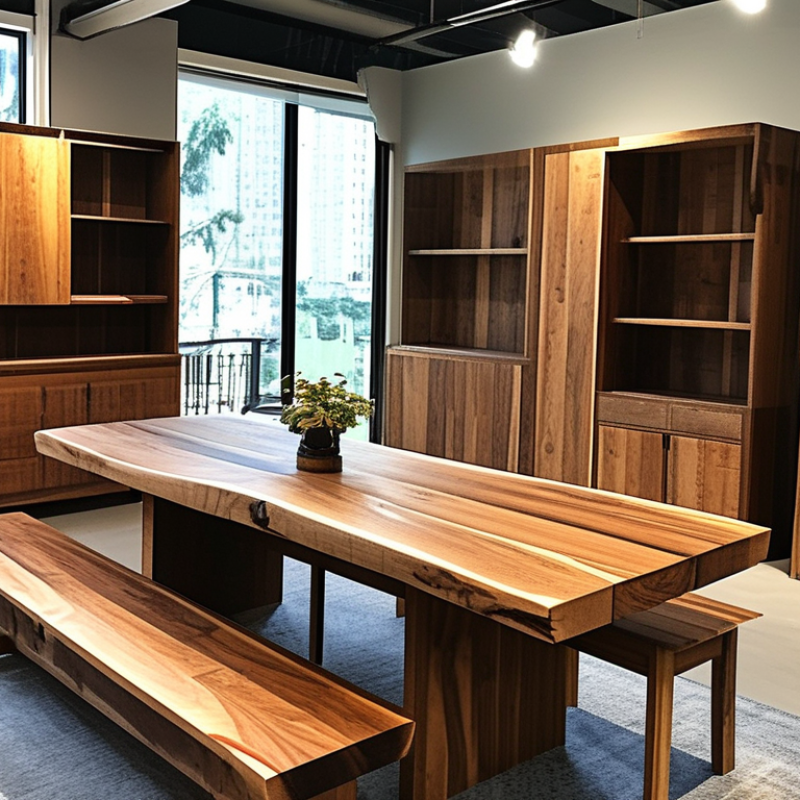
Wooden Furniture remains a practical and emotional choice for homes, offices, hotels, and public spaces. Its appeal is not limited to appearance. Grain direction, joinery, moisture content, and repairability all influence performance. A walnut dining table feels different from a pine bookshelf. An oak cabinet may outlast a cheaper engineered-wood unit, but only when its construction is sound.

Industry reports show a growing market. Grand View Research’s Wooden Furniture Market Size, Share & Trends Analysis Report identifies rising demand for durable, attractive, and sustainable furniture through 2030. IMARC Group’s Wooden Furniture Market report also highlights residential renovation, urban housing, and customization as important growth factors. These reports describe broad patterns, not guarantees. Market forecasts can change.

George Nakashima, the influential American furniture maker, wrote in The Soul of a Tree, “The beauty of wood is in its imperfections.” That idea helps explain why solid wood, reclaimed wood, softwood, hardwood, and engineered wood each deserve separate attention. Their differences appear in weight, texture, cost, stability, and environmental impact.

The following guide examines the top types of Wooden Furniture, from solid hardwood tables to flexible plywood chairs. It also considers FSC certification, responsible sourcing, and everyday maintenance. Labels can overlap. A “solid wood” product may still contain veneer or hidden composite panels. Buyers should inspect edges, joints, finishes, and product documentation carefully. Beauty alone is not enough. A charming chair can still wobble.
What Are the Top Types of Wooden Furniture?

Classify Wooden Furniture by Build: Solid, Engineered, Veneered, Reclaimed

What Are the Top Types of Wooden Furniture?

Classify Wooden Furniture by Build: Solid, Engineered, Veneered, Reclaimed

Solid wood furniture uses natural boards throughout its main structure. Oak, walnut, and ash show individual grain, knots, and color changes. I have seen solid panels expand during humid summers and shrink near dry heaters. That movement is normal. Good joinery matters more than perfect appearance. Engineered wood includes plywood, MDF, and particleboard. Layered construction can resist warping and reduce material waste. However, edge swelling remains a risk when water reaches unsealed surfaces. The U.S. EPA reported 12.1 million tons of furniture and furnishings in the 2018 municipal waste stream. About 80.2% was landfilled, according to its Advancing Sustainable Materials Management report.

Veneered furniture places a thin layer of real wood over a stable core. It delivers a refined grain pattern while using less valuable timber. Scratches may be repairable, but deep damage can expose the substrate. Reclaimed wood comes from older buildings, beams, doors, or flooring. Its nail holes and uneven tones create genuine character. Inspectors should check moisture, insects, hidden metal, and previous chemical treatments. The FAO Global Forest Resources Assessment 2020 recorded 420 million hectares of forest lost since 1990. UNEP’s Global Resources Outlook 2024 also states that resource extraction has tripled in five decades.

Tips: Match the build to the room. Choose solid wood for repairable heirlooms. Use engineered panels for stable wardrobes. Ask for core details, not just “wood” claims. Reclaimed timber needs documentation. Small defects matter.

Solid Wood: Species, Joinery, and 6–12% Furniture Moisture Content

Solid wood remains a leading furniture choice because each species behaves differently. Oak offers strong grain and good wear resistance. Maple is dense, smooth, and suitable for tightly fitted joints. Walnut is stable and visually rich, but usually costs more. The USDA Forest Products Laboratory’s Wood Handbook reports that wood shrinks more across the grain than along it. That detail matters.

Moisture content is equally important. A practical furniture range is often 6–12%, depending on the room and climate. The Wood Handbook indicates that heated indoor spaces commonly bring wood toward roughly 6–8% equilibrium moisture content. Humid interiors may require higher readings. A moisture meter should check several boards, not just one convenient surface. One reading can mislead.

Joinery must accommodate movement. Mortise-and-tenon joints suit chair frames and load-bearing connections. Dovetails work well for drawers. Floating panels and elongated screw holes allow seasonal expansion. In workshop inspections, I have seen beautiful tables split because the top was fixed too tightly. That failure is easy to overlook. The Forest Products Laboratory also notes that tangential shrinkage is often about twice radial shrinkage, though species vary. Therefore, species selection, grain direction, and moisture testing should be evaluated together. A 6% reading is not automatically better than 12%; the target must match the furniture’s future environment.

What Are the Top Types of Wooden Furniture? - Solid Wood: Species, Joinery, and 6–12% Furniture Moisture Content

Reference values are typical ranges. Density is approximate at about 12% moisture content, and Janka hardness values may vary by specimen and test source.
Wood Species Typical Density
(kg/m³)
Janka Hardness
(lbf)
Appearance and Performance Suitable Furniture Recommended Joinery Typical Furniture Moisture Content
Eastern White Pine 380–550 About 690 Lightweight, pale, easy to machine, and relatively soft; dents more easily than hardwoods. Shelving, farmhouse tables, cabinets, and painted furniture. Mortise-and-tenon, dowels, pocket screws, and properly reinforced butt joints. 6–12% for conditioned interior furniture
Red Oak 630–700 About 1,290 Prominent grain, strong structure, and good wear resistance; open pores require careful finishing. Dining tables, chairs, flooring-style furniture, and storage cabinets. Mortise-and-tenon, loose tenons, dowels, and dovetails. 6–12% for conditioned interior furniture
White Oak 650–770 About 1,360 Hard, durable, and moisture-resistant compared with many common furniture woods; typically shows a straight, pronounced grain. Dining furniture, beds, benches, cabinets, and high-use seating. Mortise-and-tenon, floating tenons, dovetails, and housed dadoes. 6–12% for conditioned interior furniture
Hard Maple 680–750 About 1,450 Very hard and fine-textured, with a light color and relatively subtle grain; resists everyday abrasion. Worktops, dining tables, stools, chairs, and modern cabinets. Mortise-and-tenon, dowels, loose tenons, and dovetails. 6–12% for conditioned interior furniture
Black Walnut 610–660 About 1,010 Rich brown color, attractive grain, good dimensional stability, and moderate hardness. Statement tables, desks, beds, cabinets, and decorative panels. Dovetails, mortise-and-tenon, splined miters, and loose tenons. 6–12% for conditioned interior furniture
Black Cherry 560–610 About 950 Fine, smooth texture; naturally warmens from pinkish brown to deeper reddish brown with age and light exposure. Bedroom furniture, desks, dining sets, and crafted cabinets. Dovetails, mortise-and-tenon, dowels, and drawer-lock joints. 6–12% for conditioned interior furniture
American Beech 680–720 About 1,300 Hard, pale, and fine-grained with good shock resistance; can move noticeably if not properly dried and sealed. Chairs, stools, workbenches, tables, and bentwood-style components. Steam-bent laminations, mortise-and-tenon, dowels, and loose tenons. 6–12% for conditioned interior furniture
Moisture-content note: A 6–12% moisture-content range is commonly used as a practical target for solid-wood furniture intended for conditioned indoor environments. The appropriate value depends on the building’s climate, indoor humidity, heating, and ventilation. Wood should be acclimated before assembly, and all exposed faces should receive a suitable finish to help moderate moisture exchange.

Engineered Wood: MDF, Particleboard, and EPA Limits of 0.09–0.11 ppm

Engineered wood is a practical choice for modern wooden furniture. MDF has fine, dense fibers, so it creates smooth doors and painted panels. Particleboard uses larger wood particles and usually costs less. It works well inside cabinets, desks, and shelving.

The difference becomes obvious when you examine an edge. MDF feels more solid, while particleboard may show a coarser texture.

EPA TSCA Title VI references formaldehyde emission limits of about 0.11 ppm for MDF and 0.09 ppm for particleboard.

These figures describe tested emissions, not guaranteed indoor air levels. Room ventilation, temperature, humidity, and furniture age also matter. A compliant panel can still have a noticeable odor after unpacking.

I have found that poorly sealed edges often deserve more attention than the broad panel surface. That detail is easy to overlook.

Tips: Check for clear labeling and ask whether the panels meet applicable EPA emission standards. Inspect exposed edges, screw joints, and the back of cabinets. Choose sealed surfaces when possible.

Let new furniture air out in a ventilated room before daily use. Do not assume heavier furniture is safer or stronger.

MDF can resist surface dents, but moisture remains a weakness. Particleboard may swell quickly after a leak.

Even careful buying has limits, so review the actual construction rather than trusting appearance alone.

Wood Veneer: 0.5–0.6 mm Faces and Efficient Timber Use

What Are the Top Types of Wooden Furniture?

Wood Veneer: 0.5–0.6 mm Faces and Efficient Timber Use

Wooden furniture includes tables, cabinets, beds, chairs, and shelving. Among these types, veneer-faced furniture deserves careful attention. A typical decorative veneer face measures about 0.5–0.6 mm thick. It presents real wood grain while using less valuable timber than a solid-wood panel. In workshop inspections, I have seen veneer create a warm, convincing surface on cabinet doors and tabletops. Grain matching can be excellent. It can also be slightly imperfect.

Manufacturers bond the thin face to plywood, MDF, or another stable core. This construction helps control movement caused by seasonal humidity. It also allows attractive species to cover larger surfaces efficiently. However, veneer is not indestructible. Deep sanding may expose the core, and standing water can damage poorly sealed edges. A small mismatch around a joint can reveal rushed craftsmanship. That detail matters more than a glossy product photograph.

Tips: Ask about the veneer thickness and core material before buying. Check edges, corners, and grain alignment in natural light. Use coasters and wipe spills promptly. Avoid aggressive sanding. A soft cloth and suitable furniture finish are usually safer. If a repair is needed, consult an experienced craftsperson; a quick fix may make the damage more visible.

Compare the Top Types: Cost, Durability, Care, and a 6% Market CAGR Forecast

Wooden furniture differs widely in cost, durability, and care requirements. Solid hardwood usually costs more because dense boards require careful seasoning and skilled joinery. Oak, maple, and walnut can resist dents for decades, but humidity still affects them. A dry room may cause cracks. A damp room can cause swelling. Regular dusting and occasional approved oil or wax can protect the surface. Too much product attracts grime. It feels substantial.

Engineered wood often costs less and uses a stable core beneath a veneer or laminate. It resists seasonal movement better, although damaged edges may be difficult to repair. Particleboard is budget-friendly, but standing water can make it fail quickly. Softwood offers a warmer price, yet pine and similar species dent more easily. Reclaimed wood adds visible character, while hidden pests, uneven moisture, or old finishes require careful inspection. Care remains practical. Use coasters, lift objects, and keep furniture away from heaters. Avoiding careless placement matters as much as choosing the species.

A projected 6% CAGR for the wooden furniture market signals continued demand, not guaranteed returns. The forecast may reflect housing growth, replacement buying, and interest in natural materials. However, inflation, timber supply, and changing room styles can weaken that trajectory. I would compare lifetime cost rather than the invoice alone. A cheaper table that needs replacement after three years may cost more than durable hardwood. That comparison is imperfect. Still, it exposes a common mistake: treating low price as low risk.

What Are the Top Types of Wooden Furniture?

Comparison of indicative material cost, durability, and care requirements. The market outlook uses a 6% annual growth assumption.

6% CAGR Forecast
A market index of 100 in 2024 would reach approximately 142 by 2030.
Best for Longevity
Solid hardwood generally offers the strongest durability and repairability.
Best for Budget Projects
MDF and particleboard are lower-cost options, but they are more sensitive to moisture and impact.

Cost figures are indicative 2024 material-only ranges represented by midpoint values in USD per square foot. Durability is rated from 1–10; care burden is rated from 1–5, where a higher score means more routine care. Actual results vary by species, construction, finish, and use.