Top Types of Residential Front Entry Doors
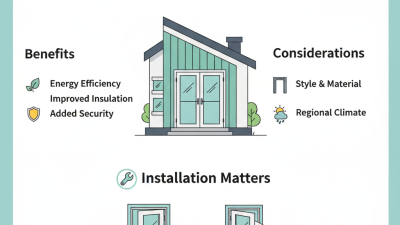
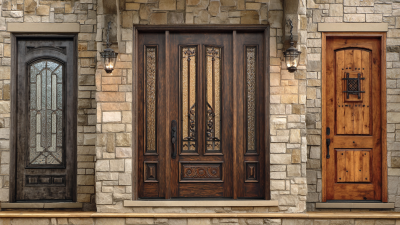
A front door does more than mark the entrance. It faces rain, afternoon sun, muddy shoes, and daily use. The right choice can shape curb appeal, comfort, maintenance, and the feeling of security. Residential front entry doors come in several common types, including steel, fiberglass, wood, and designs with glass panels. Each makes a different compromise. Steel can offer a sturdy, practical option; fiberglass can mimic wood grain with less routine upkeep; and real wood brings natural character but may need regular refinishing. Glass adds daylight, though its size and placement affect privacy and insulation.
The numbers offer context, not a promise. Remodeling magazine’s 2024 Cost vs. Value Report estimated a national average cost of $2,355 for a steel entry door replacement and a resale value of $4,430. That estimate reflects a specific project and market conditions; homeowners should not treat it as a guaranteed return. Energy performance also depends on the complete door assembly, installation, and local climate. The U.S. Department of Energy advises checking insulation and weatherstripping to help limit drafts and heat loss. Small details matter: a tight threshold, sound seals, and a properly fitted frame. Looks matter too. But they are not the whole story. This guide compares the leading door types, their practical strengths, and the details worth checking before you choose. Some trade-offs are easy to miss in a showroom.
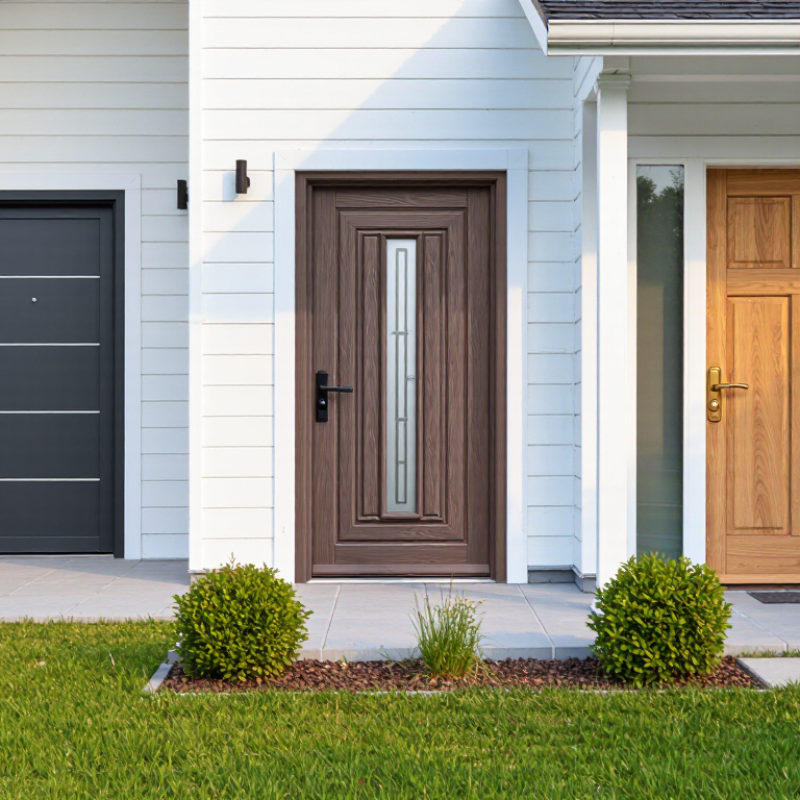
What a Residential Front Entry Door Is
A residential front entry door is the main door connecting a home’s interior with an outdoor approach, such as a porch or walkway. It provides a daily passage for residents and visitors while helping separate indoor space from weather, noise, and unwanted access. The term often refers to the door slab, but the full entry assembly also includes its frame, hinges, threshold, lock, and weatherstripping. Some homes have sidelights or a small window above the door.
The details matter. A poorly aligned door may rub against the frame, while a gap near the threshold can let in drafts or rain. A small gap matters. Entry doors are commonly made from wood, steel, fiberglass, or combinations of materials; each differs in appearance, upkeep, and resistance to dents or moisture. No material is perfect. Measure the opening carefully, and consider how the door swings, how much sunlight reaches it, and whether the existing frame is sound. A door that feels sturdy in a showroom can behave differently in an older, uneven opening. Installation and regular checks of seals and hardware affect how well the entry works over time.
Top Types of Residential Front Entry Doors - What a Residential Front Entry Door Is
A residential front entry door is the primary exterior door used to enter a home. It typically includes a door slab, frame, hinges, weather seals, and a locking system. The best choice depends on the home’s climate, security needs, desired appearance, and maintenance preferences.
| Door Type |
Typical Construction |
Common Advantages |
Considerations |
Common Uses |
| Solid Wood |
Made from solid wood or engineered wood components, often with raised or flat panels. |
Natural appearance; can be stained or painted; available in many traditional and contemporary designs. |
May need periodic refinishing. Exposure to moisture and temperature changes can cause some wood doors to swell, shrink, or warp. |
Homes where natural materials and a traditional or custom appearance are priorities. |
| Steel |
Usually consists of a steel outer skin around an insulated core. |
Generally durable; insulated models can help limit heat transfer; typically requires less routine upkeep than a wood door. |
Surface dents may be difficult to repair invisibly, and damaged finishes can require prompt attention to help prevent corrosion. |
Homeowners seeking a practical, often cost-conscious option with a clean painted finish. |
| Fiberglass |
Molded fiberglass skins commonly surround an insulating core; some designs imitate wood grain. |
Resists many common effects of moisture and temperature changes; available in painted or stained finishes; insulated options are widely available. |
Quality and performance vary by construction. Deep impact damage can be difficult to repair, and the initial price may be higher than some basic steel models. |
Homes that need a low-maintenance door or experience changing weather conditions. |
| Aluminum |
Lightweight metal frame and panels, sometimes paired with large glazed sections. |
Resists rust; supports slim-frame, modern designs; finishes are available in a range of colors. |
Metal can conduct heat, so thermal performance depends on the door’s design, insulation, and thermal breaks. |
Contemporary homes and entryways designed around clean lines or larger glass areas. |
| Glass-Panel or Glazed Door |
A door made from wood, steel, fiberglass, or aluminum with one or more glass panels; glazing may be clear, decorative, or textured. |
Brings daylight into the entry; offers a wide range of styles and levels of visual privacy. |
Glass affects privacy and energy performance. Look for suitable safety glazing and consider the glazing’s insulation and security features. |
Entries where natural light or a decorative focal point is desired. |
Selection note: Actual durability, insulation, security, and cost depend on the complete door system, including its materials, glass, frame, weatherstripping, locks, installation, and local conditions.
How Front Entry Doors Are Classified by Material
Residential front entry doors are often classified by their main material: wood, steel, fiberglass, or aluminum. Each responds differently to weather, daily use, and maintenance. The best fit depends on the home’s exposure and the owner’s priorities, not appearance alone.
Wood doors offer visible grain and can be refinished when their finish wears. They need regular inspection, especially near the bottom edge, where rainwater may linger. Steel doors provide a firm feel and often resist everyday impacts, though scratches can expose metal to rust. Fiberglass can mimic painted wood or natural grain while requiring less routine upkeep. Check the frame and weatherstripping, too; a strong door cannot fix drafts around a poor installation.
No material wins everywhere. A covered porch may protect wood, while strong afternoon sun can fade finishes over time. Aluminum is another option, often chosen for its resistance to corrosion and clean, modern look, but insulation varies by construction. That matters. Compare the door’s core, finish, and hardware as a complete system. It is easy to focus on material and overlook the threshold, or assume “low maintenance” means maintenance-free. A seasonal check for loose hinges, worn seals, and surface damage helps keep the entry working as intended.
Common Front Entry Door Types by Design and Operation
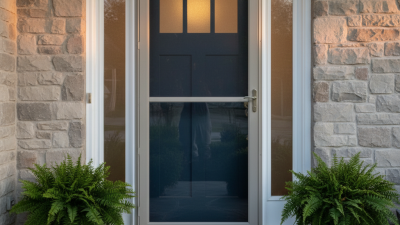
A single hinged door is the familiar choice for many homes. It swings inward or outward on side hinges, and its direction affects furniture placement, porch clearance, and everyday traffic. A solid panel offers privacy, while glass panels bring daylight into a dim hallway. Check the frame, weather seals, and threshold as well as the door itself; a beautiful slab can still let in drafts if the fit is poor.
Double hinged doors create a wider opening and a balanced, formal look. One leaf may stay secured while the other opens, though both need room to swing. Pivot doors turn on hardware near the top and bottom rather than side hinges. Their clean lines can suit a wide entry, but the hardware and installation need careful planning. Sliding entry doors save swing space, yet their tracks and seals deserve close attention, especially where wind-driven rain is common. It is easy to focus on appearance. I would pause over the daily routine, too: muddy shoes, grocery bags, and a narrow porch can change which operation feels practical. A small sample or floor plan may reveal a problem that a photograph hides.
Top Types of Residential Front Entry Doors
Common front entry door types by design and operation, compared by typical nominal door-system width.
Widths are approximate examples in inches, not fixed standards. Actual sizes vary by manufacturer, opening, and installation. Double and sliding configurations commonly use wider combined openings than single-door styles.
How Door Types Differ in Security, Insulation, and Maintenance
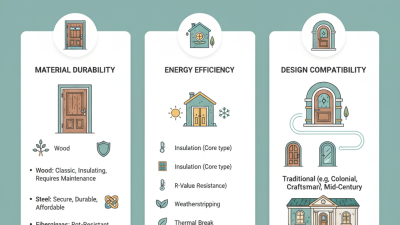
Residential entry doors trade security, insulation, and upkeep in different ways. The door slab matters, but so do the frame, hinges, lock, and glass. The FBI’s 2019 Uniform Crime Reporting data estimated that 56.7% of reported burglaries involved forcible entry. A reinforced strike plate and solid frame can therefore matter as much as the door material. Details matter. The U.S. Department of Energy notes that insulated steel and fiberglass doors can reach R-5 to R-6. That rating describes insulation, not the performance of the entire installed doorway. A loose weather seal or large glass insert can still let drafts through.
Maintenance changes the comparison. The National Association of Home Builders’ 2007 Study of Life Expectancy of Home Components estimates that exterior wood, steel, and fiberglass doors may last as long as the house. That is a lifespan estimate, not a promise. Wood can need periodic refinishing, especially where rain hits the lower edge. Steel may dent, and exposed spots can rust. Fiberglass usually needs less surface care, though its seals and hardware still wear. Not just the slab. When comparing options, inspect the threshold, weatherstripping, glazing, and frame—not only the material or the advertised insulation rating.
Choosing a Front Entry Door for a Home’s Needs
Choosing a front entry door starts with the home’s daily conditions, not a catalog photo. A door facing strong afternoon sun may need a finish that resists fading, while a sheltered porch offers more flexibility. In cold or noisy areas, an insulated core and tight weatherstripping can improve comfort. Check the threshold, too; a tall step can make entry harder for children, guests, or anyone carrying groceries. Looks matter.
Tips: Measure the existing opening, including jamb depth and threshold height. Note the door’s swing and check clearance near walls or furniture. Ask an experienced installer to inspect the frame for moisture damage; a new door cannot fix a weak, uneven opening. This check can feel fussy. It often prevents surprises.
Compare materials by upkeep as well as price. Fiberglass typically needs little routine care, while wood may need periodic sealing or repainting, especially where rain reaches it. Steel can provide a sturdy surface, but damaged coatings may expose it to rust. Glass panels bring daylight into a dim hall; choose privacy glazing if the entry faces a sidewalk. A secure lock matters, but so do a solid frame and correctly fitted hinges. It is easy to judge by finish first; that instinct deserves a second look when drafts or sticking appear.