Top Assorted Hex Bolts for Your Project Needs?
When embarking on a construction or mechanical project, the choice of fasteners is crucial. Among these, Assorted Hex Bolts stand out due to their versatility and strength. A report by the International Fastener Association indicates that the demand for hex bolts in various industries has grown by over 20% in the last five years. This trend highlights the importance of selecting the right bolts to enhance the durability of your projects.
Assorted hex bolts offer various sizes and materials, catering to diverse applications. Whether it’s for automotive, construction, or machinery, these fasteners can fulfill multiple project needs. However, not all hex bolts are created equal. A mismatch in size or grade can lead to structural failures, causing costly delays. Understanding industry standards and specifications becomes vital in ensuring reliability.
Exploring the best options available requires expertise. Many suppliers provide comprehensive catalogs, but one must critically assess their specifications. Some brands claim high strength but lack adequate testing data, which can be misleading. Prioritizing bolts from reputable manufacturers is essential for reliability. Ultimately, choosing the right assorted hex bolts can make or break your project.
Understanding Hex Bolts: Types and Uses
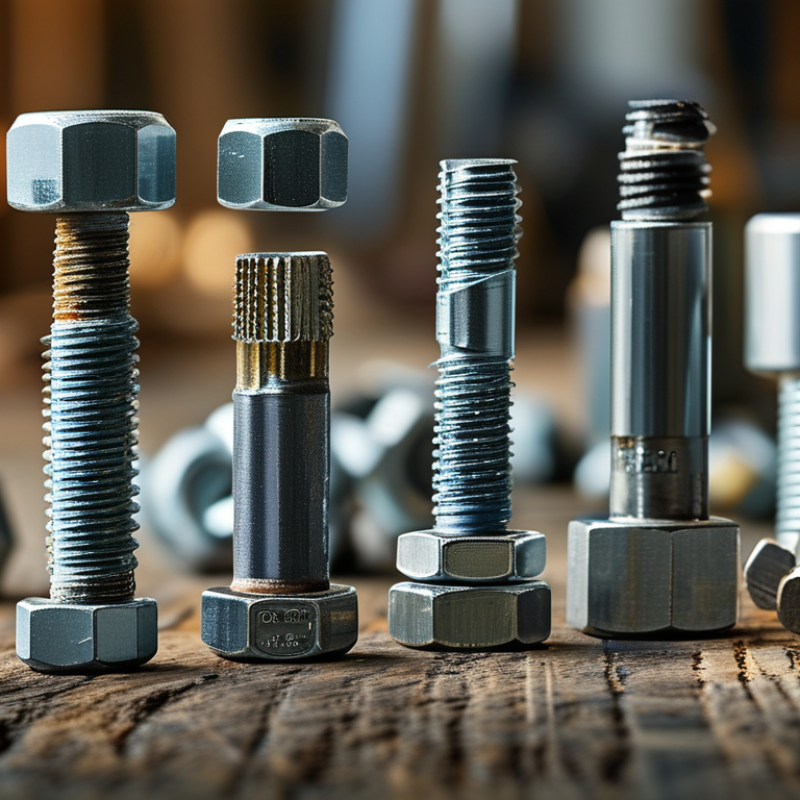
Hex bolts are essential to various projects, providing strength and reliability in fastening tasks. These robust fasteners come in several types, including hexagonal head, flange, and heavy hex bolts. Each type serves specific applications, depending on load requirements and material compatibility. According to a report by the Industrial Fasteners Institute, approximately 30% of all fasteners used in construction are hex bolts. This highlights their significance in the industry.
Understanding the different grades of hex bolts is crucial for optimal performance. For instance, Grade 2 hex bolts are common for light-duty applications, whereas Grade 5 and Grade 8 bolts can withstand higher stress levels. The mechanical properties of these bolts vary significantly; Grade 8 bolts, for example, have a minimum tensile strength of 150,000 PSI. When selecting bolts, consider the environment and the potential for corrosion. In harsh conditions, using galvanized or stainless steel bolts is recommended.
Reflecting on common mistakes is important. Many users often choose bolts based solely on size, neglecting strength and grade. Such oversights can lead to project failures. Additionally, not accounting for the torque needed can result in inadequate fastening. Awareness of these factors will enhance the reliability of your projects. Always consider the specific demands of your application to ensure the right choice of hex bolts.
Top Assorted Hex Bolts for Your Project Needs
Selecting the Right Material for Hex Bolts
When selecting hex bolts for your project, the material is crucial. Different materials offer unique benefits and drawbacks. Common materials include steel, stainless steel, and brass. Each is suited for specific environments and load requirements.
Steel bolts are strong and widely used. However, they can rust if not properly coated. This is a reflection of their durability but also a point of concern in moist environments.
Stainless steel, on the other hand, resists corrosion well. It's perfect for outdoor or marine applications but can be more expensive. Brass bolts provide good corrosion resistance but lack the strength of steel.
Consider the specific needs of your project. The choice of material affects not only the longevity of your fasteners but also their performance. It's essential to weigh these factors carefully. Sometimes, the most obvious choice may not be the best.
Sizes and Dimensions: How to Choose the Right Hex Bolt
Choosing the right hex bolt size is crucial for any project. The diameter and length affect strength and compatibility with materials. Common sizes range from ¼ inch to 1 inch in diameter. The length can vary from ½ inch to 12 inches. A report from the Fastener Industry Coalition noted that improper sizing accounts for 30% of fastener failures. This highlights the significance of careful selection.
Understanding dimensions is essential. Hex bolts come in several grades, indicating strength and material. For example, Grade 8 bolts are made from carbon steel and provide high tensile strength. Using a bolt that's too small can lead to failure under stress. Conversely, an oversized bolt might not fit properly in the designated space. Again, the Fastener Quality Act emphasizes adherence to standards.
Additionally, consider the application environment. Outdoor projects may require bolts resistant to rust and corrosion. Selecting the right size involves knowing the material being used and the load it must support. Failure to account for these factors can lead to costly mistakes. Hence, understanding your project requirements is vital for success.
Installation Tips for Hex Bolts in Your Projects
When using hex bolts in your projects, proper installation is key. Begin by choosing the right size and grade of hex bolt for your task. Ensure you have the correct tools on hand, like a ratchet wrench and a torque wrench. This helps achieve a secure fit. Always clean the surface where you will install the bolt. Dirt and debris can affect the bolt's performance, leading to failure.
Before tightening, align the components carefully. Misalignment can cause stress and eventually lead to issues. Pay attention to the torque specifications provided for the hex bolts you are using. Over-tightening can strip threads, while under-tightening may leave joints loose and weak. It's vital to check for any signs of corrosion or damage on the bolts. Using damaged bolts can jeopardize the integrity of your project.
Throughout the installation, use a steady hand and moderate force. If something doesn’t feel right, take a moment to reassess your approach. Mistakes can happen, and it’s important to reflect on installation techniques. Sometimes a simple adjustment can prevent larger problems later. Keeping your workspace organized will help maintain focus and efficiency during the process.
Common Applications and Benefits of Using Hex Bolts
Hex bolts are a staple in various projects. They are known for their strength and versatility. Commonly, they are used in construction, automotive, and machinery applications. Their design allows for a secure and reliable connection. This makes them an excellent choice for tasks requiring load-bearing capabilities.
One major benefit of hex bolts is their ease of installation. Unlike other fasteners, they can be tightened with a wrench. This ensures a strong grip, reducing the risk of loosening over time. Additionally, hex bolts come in various materials. Options like stainless steel and carbon steel provide choices suited for different environments. However, selecting the right material is crucial for long-term durability.
Understanding the applications of hex bolts is essential. They are utilized in framing structures, securing machinery, and even in furniture assembly. The right bolt can make a significant difference in performance. Yet, many overlook the importance of choosing the appropriate size and grade. In some cases, misjudgments lead to structural weaknesses. Awareness of these factors can help prevent future complications.