Top 5 Drainage Geonet Solutions to Discover at 2026 Canton Fair?
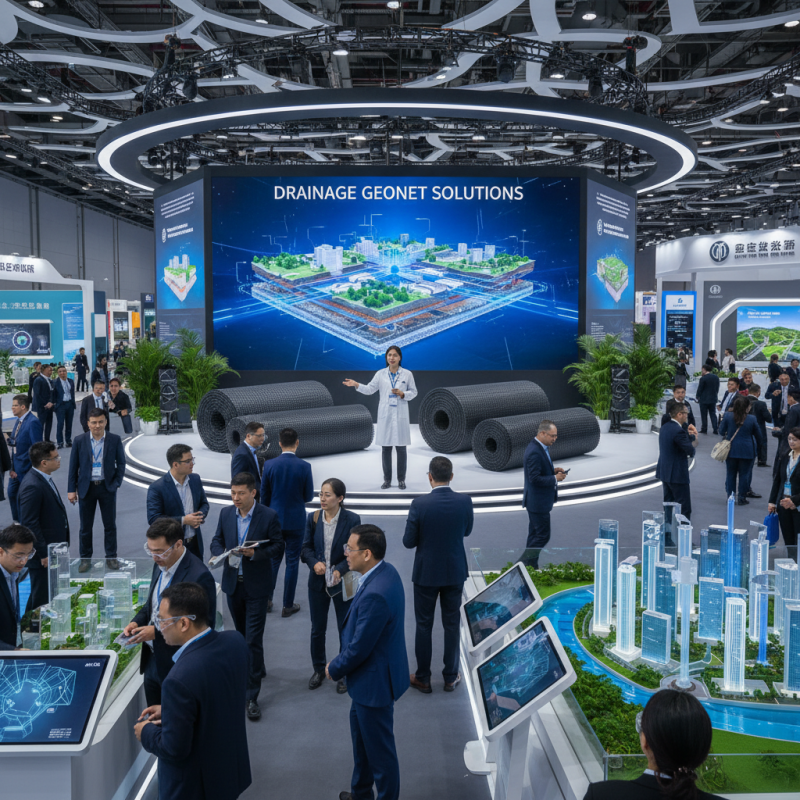
The 2026 Canton Fair will showcase innovative solutions in various industries, including drainage systems. An exciting focus will be on "Drainage Geonet." This material plays a critical role in civil engineering and environmental management. According to industry expert Dr. Sarah Thompson, "Drainage Geonet is essential for effective water management in construction projects."
Recent reports show that the global drainage geonet market is projected to reach $1.5 billion by 2028, driven by increasing urbanization and infrastructure development. The introduction of AI tools at the fair enables buyers to pinpoint suitable suppliers quickly. It enhances the search for compliant materials like drainage geonets, significantly improving matchmaking efficiency.
While exciting, the rapid growth in this sector presents challenges. The manufacturing process of geonets must prioritize sustainability. Not all products meet regulatory standards, and not all suppliers are transparent. This highlights a need for due diligence in sourcing. Discovering reliable drainage geonet solutions at the fair will be vital for industry stakeholders.
Overview of Drainage Geonet Technology
Drainage geonet technology plays a crucial role in effective water management. These materials are designed to facilitate the movement of water while preventing soil erosion. Made from durable polymers, geonets can withstand various environmental conditions. Their structure allows for quick drainage, which is vital in construction and landscaping.
In recent years, innovations have improved geonet designs, enhancing their functionality. Some options are now thinner yet stronger. This makes them easier to install, saving time and costs. However, not all products are equally effective. It’s essential to evaluate their compatibility with specific projects. Testing samples before bulk purchase can avoid potential issues later.
Moreover, the sustainability aspect of drainage geonets is worth noting. Eco-friendly materials are becoming more popular, prompting a shift in production methods. Companies are still grappling with balancing efficiency and environmental impact. There’s room for improvement in awareness regarding the lifecycle of these materials. Future advancements should focus on reducing the carbon footprint while maximising performance.
Key Features of Effective Drainage Geonet Solutions
When exploring the top drainage geonet solutions at the 2026 Canton Fair, key features play a crucial role in their effectiveness. Innovative drainage products are essential in construction and land management. According to a report by Market Research Future, the global geosynthetics market is expected to surpass USD 20 billion by 2026. This growth highlights the increasing need for efficient solutions.
Effective drainage geonets often incorporate high tensile strength and durability. These materials ensure stability in diverse environmental conditions. A study by Geosynthetics International found that proper drainage can reduce soil erosion by up to 70%. This statistic emphasizes the importance of using quality geonets.
Visualizing a project, consider a road construction site requiring effective water management. Employing a geonet allows for better drainage and minimizes flooding risks. However, not all solutions are created equal. Some products may degrade over time, failing to provide long-term benefits. Users should always validate the materials and supplier credentials before investing.
Top 5 Drainage Geonet Solutions to Discover at 2026 Canton Fair
| Solution Name | Material Type | Key Features | Application Areas | Environmental Impact |
| Geonet A | Polyethylene | High tensile strength, UV resistant | Landfills, road construction | Recyclable materials |
| Geonet B | Polypropylene | Lightweight, corrosion-resistant | Drainage systems, erosion control | Low environmental footprint |
| Geonet C | HDPE | High flow capacity, chemical resistance | Civil engineering, wastewater management | Sustainable sourcing |
| Geonet D | Composite materials | Enhanced drainage efficiency | Sports fields, landscaping | Biodegradable options available |
| Geonet E | Geosynthetic clay liners | Self-healing, impermeable | Landfill liners, slope protection | Environmentally friendly |
Top Manufacturers for Drainage Geonet Available at Canton Fair
The 2026 Canton Fair is poised to showcase cutting-edge solutions in drainage geonet technology. This critical component plays a significant role in managing groundwater and preventing soil erosion. Industry reports indicate that the global geosynthetics market is expected to reach $22 billion by 2025. Finding the right manufacturer is essential for ensuring quality and durability in geonet products.
Many manufacturers at the Canton Fair focus on innovative designs. They emphasize efficient drainage systems that cater to various applications, from agriculture to construction. A noteworthy insight reveals that nearly 30% of ground-related issues stem from inadequate drainage solutions. So, it’s vital to consider materials that enhance performance under pressure.
Tips: When exploring options, examine the tensile strength and permeability of the geonets. Look for products that are environmentally friendly. Don't overlook the value of customer feedback and product samples. These strategies help in making informed decisions. Overall, the fair promises an array of options, but assessing performance characteristics might take some time and patience.
Innovative Applications of Drainage Geonet in Various Industries
Drainage geonets are vital in many industries, offering solutions for effective water management. One innovative application is in construction. They improve drainage in foundations and roads. Effective moisture control enhances structural integrity. These geonets help reduce the risk of water accumulation, which can weaken structures over time.
Another significant use is in landfill management. They facilitate the collection of leachate, preventing it from contaminating the surrounding environment. This is crucial for reducing long-term ecological impacts. However, some implementation challenges arise. For instance, ensuring proper installation and integrating them with other systems can require additional planning and resources.
Agriculture is also benefiting from drainage geonets. They help manage soil moisture levels efficiently. Farmers can optimize water usage, which is essential in arid regions. Yet, the initial costs can be a concern. Evaluating the long-term benefits versus immediate expenses is necessary for effective decision-making. Innovative applications of drainage geonets showcase their diverse utility, sparking interest for future improvements in technology and process.
Top 5 Drainage Geonet Solutions - Market Insights 2026
Future Trends in Drainage Geonet Technologies and Market Potential
The drainage geonet market is evolving rapidly. New technologies focus on improving efficiency and sustainability. Future solutions will integrate advanced materials and eco-friendly designs. They will also prioritize cost-efficiency and durability. This trend aligns with global environmental goals.
Innovations in drainage geonets will include enhanced water filtration systems. These systems can adapt to various soil types and conditions. As climate change intensifies, effective drainage is crucial. Emerging technologies aim to mitigate flood risks while preserving natural ecosystems.
Yet, challenges remain. The integration of new technologies requires careful consideration. Testing and validation of new materials are essential to ensure performance. There is a need for more education on best practices among professionals in the field. Industry collaboration will help address these gaps and refine future products.