
Surface Mounted Light has become a practical choice for homes, offices, hospitals, and retail interiors. Its slim body sits close to the ceiling, leaving fewer shadows and less visual clutter. The International Energy Agency reports that LED technology now dominates many lighting markets because it reduces energy use and supports longer service life. The U.S. Department of Energy also identifies improved efficacy, controls, and thermal management as major factors in LED performance.
Market research from Grand View Research and MarketsandMarkets shows continued growth in LED lighting, although many reports combine surface-mounted, recessed, and integrated fixtures. That limitation matters. A supplier ranking should not rely on market size alone. Product efficiency, driver stability, glare control, ingress protection, certification, warranty terms, and factory consistency deserve equal attention.
Lighting specialist James R. Benya has often stressed that “good lighting is not just about providing more light.” This principle remains useful when comparing Chinese manufacturers. A bright fixture may still create uncomfortable glare, uneven illumination, or visible flicker. In a real office, these problems appear on computer screens, polished desks, and meeting-room walls.
This guide reviews ten leading China-based Surface Mounted Light manufacturers through a buyer’s perspective. It considers design capability, production experience, customization, testing evidence, and export reliability. Some conclusions remain open to revision, because supplier data can change quickly. Factory audits and sample testing are still necessary. A catalog can look convincing. Performance must be proven after installation.
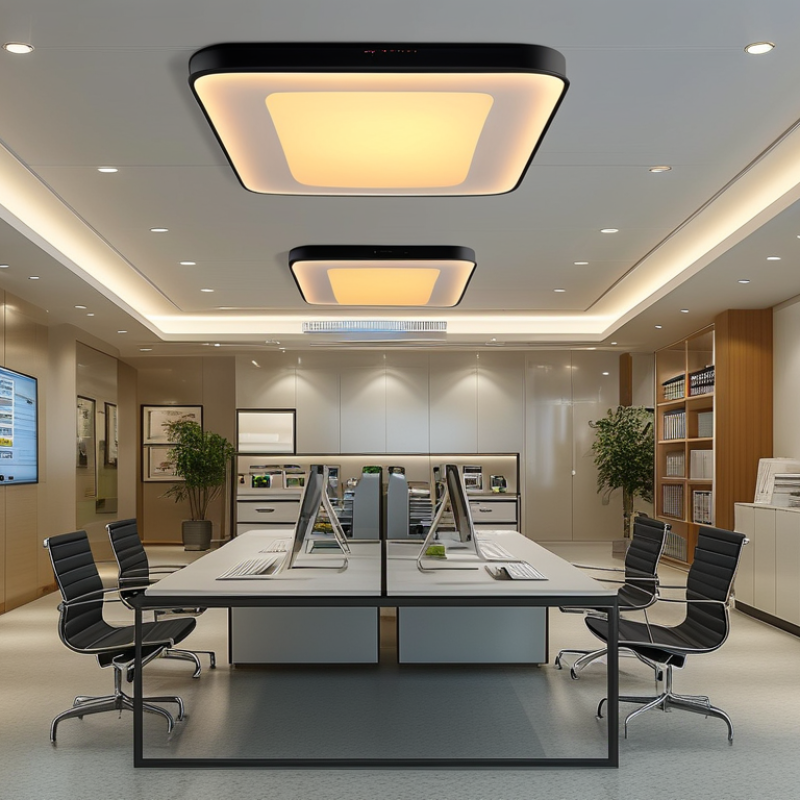
Surface mounted lights are fixtures installed directly against a ceiling or wall, rather than recessed inside it. They suit concrete ceilings, shallow voids, and renovation projects where recessed cutting is impractical. A typical unit includes a housing, LED module, diffuser, driver, and mounting plate. The diffuser spreads light across desks, corridors, kitchens, or retail shelves. Good surface mounted lighting should feel even, not harsh. It should also manage heat effectively.
When comparing the top ten surface mounted light manufacturers, buyers should inspect more than appearance. Ask for photometric reports, color consistency data, ingress protection ratings, and driver safety documentation. A reliable manufacturer explains lumen output, beam angle, color temperature, rated life, and warranty terms clearly. In my installation experience, a fixture with lower glare often performs better than one with higher advertised brightness. Check the ceiling bracket too. Weak brackets can create vibration, gaps, or difficult maintenance.
Material choice affects daily service. Powder-coated aluminum can resist corrosion, while quality diffusers reduce yellowing and visible LED spots. For bathrooms or covered outdoor areas, moisture protection must match the location, not just the product brochure. Installation still needs a qualified electrician and local code compliance. Some claims sound convincing. They deserve testing. I once underestimated the effect of heat buildup in a shallow ceiling. Surface mounted lights are simple to install, but choosing well requires careful evidence.
China Top 10 Surface Mounted Light Manufacturers?
Ranking China’s leading surface mounted light manufacturers requires more than comparing catalogue prices. The evaluation should begin with manufacturing experience, product consistency, and engineering depth. A reliable factory can explain its LED driver selection, thermal design, diffuser material, and expected lifetime. It should also provide clear specifications for wattage, lumen output, color temperature, CRI, and flicker performance. Sample testing matters. A 600 mm ceiling light may look excellent in photographs but reveal uneven brightness during inspection.
Quality control deserves equal weight. Strong manufacturers usually operate documented inspection procedures from incoming components to final assembly. Auditors should review aging-test records, electrical safety reports, and production traceability. Certifications should match the destination market, not simply appear on a brochure. Independent laboratory reports offer stronger evidence than unsupported claims. Factory capacity, lead-time accuracy, packaging protection, and replacement-part availability also influence the ranking. These details affect real projects.
Customization can separate an experienced supplier from a trading intermediary. Useful evidence includes pilot samples, revised drawings, and controlled color consistency across batches. Customer references should be checked carefully, preferably through completed installations. A lower price is not always efficient. Weak heat dissipation may increase failures later. Still, the ranking should remain cautious because factory conditions can change, and one successful order proves little. A transparent manufacturer will admit limitations, explain corrective actions, and welcome reasonable audits. That honesty is often more valuable than polished sales language.
A manufacturer-neutral evaluation framework for comparing surface-mounted LED luminaire suppliers in China
| Rank | Evaluation Dimension | Suggested Weight | Objective Evidence to Review | Relevant Technical Reference | Why It Matters |
|---|---|---|---|---|---|
| 1 | Product Quality and Reliability | 20% | Documented failure-rate controls, burn-in procedures, incoming inspection, final inspection, corrective-action records, and warranty-return analysis. | ISO 9001; IEC 60598-1 | Reliable quality systems reduce field failures and improve consistency across production batches. |
| 2 | Photometric Performance | 15% | Independent or accredited laboratory reports covering lumen output, luminous efficacy, color temperature, color rendering, beam distribution, and photometric files. | IES LM-79; CIE S 025; EN 13032-4 | Verified photometric data supports accurate lighting design, energy calculations, and product comparison. |
| 3 | Electrical Safety and Compliance | 13% | Valid test reports or certificates for insulation, dielectric strength, creepage and clearance, grounding, electromagnetic compatibility, and applicable market access requirements. | IEC 60598-1; IEC 60598-2-1; CISPR 15 | Compliance evidence helps confirm that luminaires are safe and suitable for the intended market. |
| 4 | Thermal Management and Lifetime | 12% | Thermal test data, housing material specifications, LED and driver lifetime information, temperature measurements, and documented lumen-maintenance methodology. | IES LM-80; IES TM-21; IEC 62717 | Effective heat dissipation is essential for maintaining light output and reducing premature component degradation. |
| 5 | Manufacturing Capability and Process Control | 10% | Factory audit results, automated assembly capability, traceability records, calibration control, production capacity, and quality-control checkpoints. | ISO 9001 quality-management principles | Controlled production processes improve repeatability, capacity planning, and delivery confidence. |
| 6 | Customization and Engineering Support | 8% | Availability of customized dimensions, wattages, optics, color temperatures, sensors, emergency options, controls, mounting methods, and engineering drawings. | Project specification and application requirements | Flexible engineering support helps meet project-specific ceiling, lighting, control, and installation conditions. |
| 7 | Supply-Chain and Delivery Performance | 8% | Lead-time records, production scheduling, component sourcing controls, safety-stock policy, on-time delivery history, and export documentation capability. | Purchase-order and shipment performance records | Predictable supply performance reduces installation delays and project-level inventory risk. |
| 8 | Warranty and After-Sales Service | 6% | Written warranty terms, replacement procedures, response-time commitments, spare-parts availability, technical documentation, and service escalation channels. | Contractual warranty and service documentation | Clear post-sale support limits operational disruption and clarifies buyer protection. |
| 9 | Energy Efficiency and Environmental Information | 5% | Verified power consumption, standby performance where applicable, material declarations, packaging information, and restricted-substance documentation. | IEC 62471; RoHS requirements where applicable | Transparent energy and material data supports lifecycle assessment and regulatory compliance. |
| 10 | Commercial Transparency and Total Cost of Ownership | 3% | Clear quotations, consistent specifications, tooling and sample charges, payment terms, spare-part costs, installation requirements, and lifecycle cost calculations. | Quotation, specification, and contract documentation | Transparent commercial information enables fair comparison beyond the initial purchase price. |
| Total Suggested Weight | 100% | Scores should be based on verifiable documents, samples, factory audits, and project references. | |||
China’s Top 10 Surface Mounted Light Manufacturers represent a competitive mix of engineering experience, factory capacity, and project-focused design. The strongest suppliers usually provide aluminum housings, reliable LED modules, efficient drivers, and clear photometric data. In practical sourcing, these details matter more than attractive catalog images. A well-made surface mounted light should sit firmly on the ceiling, spread light evenly, and control heat during long operating hours. Ask for samples. Test them in the actual room.
A professional evaluation should examine certification documents, production consistency, warranty terms, and after-sales communication. It should also compare color temperature, color rendering, beam angle, ingress protection, and dimming compatibility. Factory visits can reveal useful details, such as assembly cleanliness and batch inspection methods. Still, no ranking is perfect. A manufacturer may perform well on commercial projects but struggle with small custom orders. I would recheck recent references before signing a contract.
Tips: Request an LED test report and driver datasheet. Confirm mounting dimensions before installation. Compare sample light output under the same ceiling height. Check whether spare parts remain available after delivery. Keep communication in writing. Small details prevent expensive changes.
Common technical configurations used when comparing surface-mounted lighting suppliers
The chart presents standard correlated color temperature options commonly available in surface-mounted LED lighting: warm white for hospitality and residential spaces, neutral white for offices and retail environments, cool white for commercial areas, and daylight white for industrial or utility applications. It focuses on product specifications rather than company or brand performance.
China Top 10 Surface Mounted Light Manufacturers?
Product Range and Manufacturing Capabilities
When comparing China’s top surface mounted light manufacturers, product range matters more than catalog size. Reliable factories usually offer round, square, slim, and adjustable fixtures for homes, offices, hotels, and retail spaces. Common options include aluminum housings, PMMA or PC diffusers, and selectable color temperatures from 3000K to 6500K. Some manufacturers also provide emergency lighting, dimming, motion sensors, and DALI or 0–10V control. Small details matter. A well-designed diffuser should reduce visible LED dots and harsh glare.
Manufacturing capability reveals more than product images. Established facilities often use SMT placement lines, reflow ovens, automated assembly, and aging-test areas. They may test drivers, insulation, temperature rise, lumen output, and color consistency before shipment. Ask for integrating-sphere reports, photometric files, and current safety certifications. Factory audits should also examine incoming-material records and batch traceability. These checks support dependable purchasing decisions.
Customization can include housing colors, cutout dimensions, wattage, packaging, and private molds. However, customization is not always a strength. Some suppliers accept complex drawings but lack stable tooling control or thermal testing. That weakness can create uneven brightness, loose covers, or early driver failure. Buyers should request samples from the proposed production line, not only showroom pieces. A practical comparison uses the same wattage, diffuser, driver type, and test conditions. Claims still need verification.
Choosing a Chinese surface mounted light manufacturer requires more than comparing prices. The International Energy Agency reported in 2023 that lighting uses roughly 5% of global electricity. Therefore, efficiency, thermal control, and long service life deserve careful attention. Ask for LM-80 and TM-21 evidence, not only a printed efficiency claim. Check whether the LED module, driver, housing, and diffuser are tested as one complete fixture. Small details matter. A loose terminal or uneven diffuser can create costly complaints.
Visit the factory when possible, or arrange an independent audit. Review production records, incoming material checks, aging-test procedures, and corrective-action reports. ISO 9001 certification is useful, but it does not prove consistent lighting quality. Request samples from normal production, not specially prepared samples. Measure power, color temperature, flicker, and surface temperature with documented equipment. IEC 60598 compliance and an appropriate IP rating should match the installation environment. A damp corridor needs different protection than a dry office.
Compare warranty terms, minimum order quantities, spare-part support, packaging tests, and realistic lead times. Ask how the manufacturer handles failed batches. The answer may reveal more than a sales presentation. A factory with ten product lines may offer flexibility, yet its attention can become divided. That is easy to overlook. No checklist is perfect. Recheck the supplier after the first shipment, because a promising sample does not guarantee stable mass production.