Top Tips for Choosing Hdpe Cutting Board Material?
When selecting the right Hdpe Cutting Board Material, it's essential to consider several factors. High-density polyethylene, or HDPE, stands out for its durability and safety. A report by the Food and Drug Administration (FDA) indicates that HDPE materials are safe for food contact and resist absorption of bacteria. This makes them ideal for kitchens and food processing environments.
Experts recommend evaluating the board's thickness and weight. Thicker boards often provide better stability, reducing the risk of slipping during use. A study published in the Journal of Food Protection shows that thicker boards can also extend the lifespan of your cutting surface. However, some may find heavy boards cumbersome. Choosing a balance based on personal preference and needs is crucial.
Additionally, consider the ease of cleaning and maintenance. HDPE cutting boards can typically withstand high temperatures and are dishwasher safe. Yet, they can scratch, which may require regular replacements. An assessment of your cooking habits and storage capabilities can help in determining the best type of HDPE cutting board for you. This reflection ensures your choice not only meets safety standards but also enhances your kitchen experience.
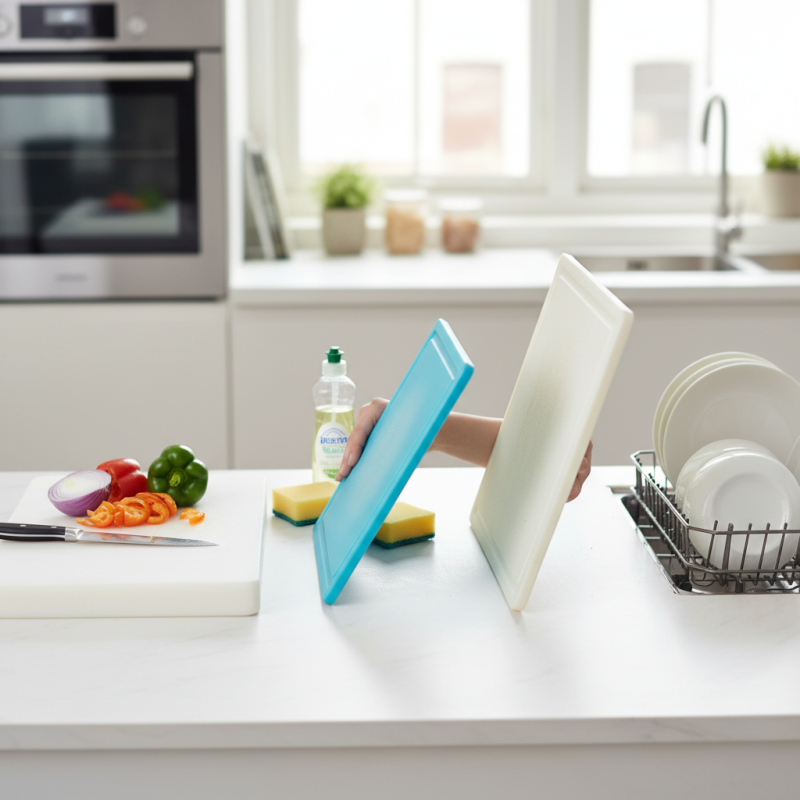
Understanding HDPE: What Makes It Ideal for Cutting Boards
Understanding HDPE: What Makes It Ideal for Cutting Boards
High-Density Polyethylene (HDPE) is increasingly popular for cutting boards. This material possesses unique properties that make it well-suited for kitchen use. HDPE is non-porous, which means it resists bacteria and minimizes the risk of cross-contamination. According to a study published in the Journal of Food Protection, cutting boards made from HDPE exhibit lower bacterial growth compared to wooden boards, making them a safer choice for food preparation.
Another key attribute of HDPE is its durability. It can withstand heavy knife use without warping or cracking. Research indicates that HDPE cutting boards can last several years when properly maintained. They are also dishwasher safe, simplifying sanitation processes. However, some users note that HDPE boards can develop deep knife grooves. These grooves may harbor bacteria if not cleaned thoroughly. Regular inspection and proper cleaning are essential to maintain the effectiveness of HDPE boards.
Moreover, HDPE is environmentally friendly, as it is recyclable. The material is derived from petroleum but can also be produced from renewable sources. A report by the Plastics Industry Association states that 1.4 million tons of HDPE is recycled annually. This makes HDPE not only a practical choice for cutting boards but also an environmentally responsible one. Although it sounds ideal, one must consider the potential downsides, such as the possibility of scratching and denting over time.
Top Tips for Choosing Hdpe Cutting Board Material
| Criteria | Importance | HDPE Advantages | Considerations |
| Durability | High | Resistant to scratches and impact | May require occasional replacement |
| Safety | Essential | Non-toxic and safe for food contact | Availability of certifications may vary |
| Maintenance | Medium | Easy to clean and sanitize | Avoid harsh chemicals for cleaning |
| Cost | Moderate | Affordable and long-lasting | Higher quality options may be pricier |
| Weight | Low | Lightweight and easy to handle | May slide if not stable |
Key Features of HDPE Cutting Boards: Durability and Maintenance
When considering the best cutting board material, HDPE stands out for its durability and ease of maintenance. High-Density Polyethylene (HDPE) is resistant to impact and scratches. This makes it ideal for busy kitchens. It doesn’t warp easily, ensuring longevity. The smooth surface helps in effortless cutting and slicing.
Cleaning an HDPE cutting board is straightforward. It’s dishwasher safe, which saves time and effort. For deeper cleaning, a simple rinse with soap and water works well. However, it's important to watch for deep scratches. They can harbor bacteria over time. Frequent inspection and proper care can extend its lifespan significantly.
While HDPE boards perform well, they may not be for everyone. Some may prefer wood for aesthetic reasons. Others might worry about the environmental impact of plastics. It's worthwhile to consider these factors before making a choice. Ultimately, a balance between functionality and personal preference will guide your decision effectively.
Comparing HDPE to Other Cutting Board Materials: Pros and Cons
When considering HDPE (High-Density Polyethylene) for cutting boards, it's essential to weigh its benefits against other materials. HDPE is favored for its durability and safety. According to a report by the American National Standards Institute, HDPE has a low porosity rate, making it resistant to bacterial growth. This is critical for food safety, as maintaining a clean surface is paramount when preparing meals.
Wooden cutting boards are classic, but they come with drawbacks. They require more maintenance and are prone to warping and cracking. A study in the Journal of Food Protection noted that wooden boards, although attractive, could harbor bacteria if not treated correctly.
On the other hand, plastic cutting boards, including HDPE, are easier to clean and sanitize. However, they can show knife marks more visibly than wood. This can impact their visual appeal.
Overall, choosing HDPE offers a reliable option for home cooks and professionals alike. Its balance of safety, ease of use, and hygiene makes it a strong contender. Yet, it's worth considering individual preferences, such as aesthetics or the feel of cutting on different surfaces. Scratches on HDPE can accumulate over time, leading to potential concerns about cleanliness, which merits reflection before making a decision.
Safety Considerations: Food-Safe Properties of HDPE
When selecting HDPE cutting boards, safety is paramount. HDPE, or high-density polyethylene, is known for its durability. It’s also resistant to various chemicals, making it an excellent choice for food safety. Unlike wooden boards, HDPE does not harbor bacteria in its surface. This is crucial for maintaining a hygienic kitchen environment.
Food-safe properties of HDPE are tested rigorously. The material does not absorb moisture, preventing the growth of harmful microbes. It’s ideal for cutting meats, vegetables, and more. However, improper cleaning can lead to residue buildup. Regular maintenance is essential for ensuring the board remains safe.
Some might think that any plastic is safe, but that isn’t true. Not all plastics are created equal. The thickness of the board can also impact its durability. A thinner board may warp over time. Choosing HDPE with the right dimensions is vital for long-term use. Certain factors may be overlooked, yet they are crucial for food safety. By considering these elements, you can make an informed choice for your kitchen needs.
Choosing the Right Thickness and Size for Your HDPE Cutting Board
When selecting the right thickness for your HDPE cutting board, consider your specific cooking needs. A thickness of 1/2 inch is suitable for general use, providing a solid surface for chopping vegetables and meats. If you plan to use the board for heavier tasks, like slicing large cuts of meat, a 1-inch thickness adds durability. Thicker boards may be more resilient but can also be heavier and harder to store.
Size is another critical factor. A board that is too small can limit your workspace, leading to frustration. A medium-sized board, around 18 x 24 inches, strikes a balance between usefulness and storage. However, large boards offer more room for multiple ingredients. Reflect on your kitchen space and how often you cook; this will guide your choice. Think about where you will store the board as well. Dimensions in your kitchen matter.
Choosing the right thickness and size is not always straightforward. Sometimes a board may feel too light or cumbersome. Experimentation can help you find what fits your cooking style best. Don't hesitate to revisit your choice later. Your cutting board should evolve with your skills and culinary adventures.