Top Reasons for Printing On Aluminium Cans in 2026?
As the popularity of sustainable packaging grows, "Printing On Aluminium Cans" is evolving rapidly. Experts predict that by 2026, more brands will shift their focus to this method. John Smith, a senior consultant in packaging design, asserts, "Printing on Aluminium Cans not only enhances brand visibility but also meets consumer demand for eco-friendly solutions."
The rise in eco-consciousness is driving this trend. Aluminium cans are recyclable, lightweight, and durable. Their surface offers clear, vibrant prints that attract consumers. Brands are realizing that engaging visuals and sustainability can coexist in their packaging strategies. However, some companies are still hesitant, fearing higher costs and production complexities.
Despite these challenges, the benefits often outweigh concerns. Companies can create unique designs that stand out on shelves. Yet, the industry grapples with maintaining quality while scaling production. As the deadline approaches, businesses must adapt or risk falling behind in a competitive market. Ultimately, "Printing On Aluminium Cans" represents both an opportunity and a challenge for brands aiming to innovate in their packaging choices.
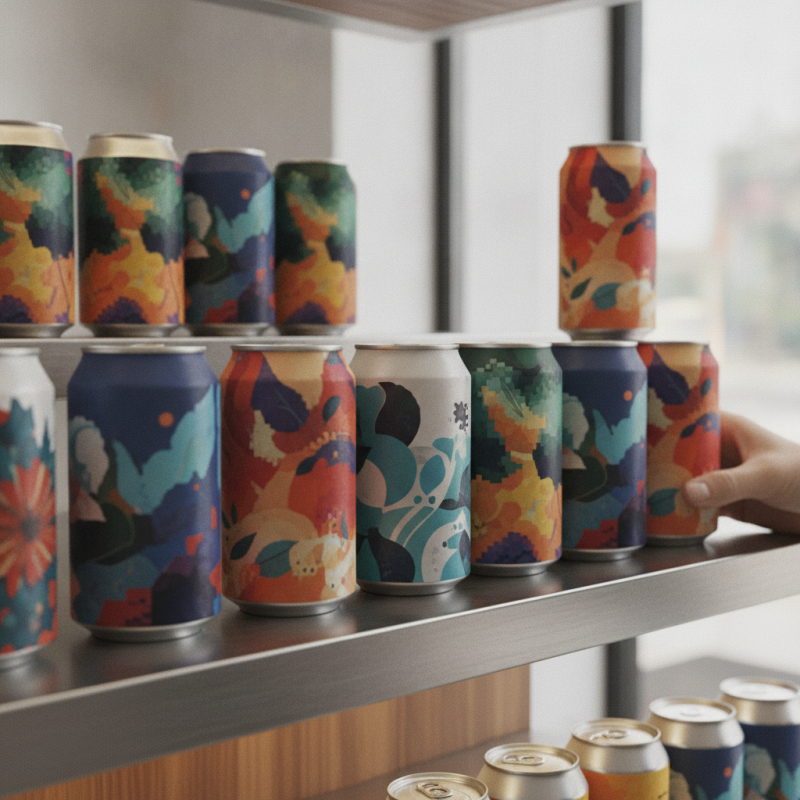
Advantages of Using Aluminium Cans for Product Packaging
Aluminium cans are gaining popularity as a packaging choice for many products. Their lightweight nature makes them easy to transport, which reduces carbon emissions. This aspect is crucial as audiences become more environmentally conscious. Additionally, aluminium is highly recyclable. This can attract eco-friendly consumers who prefer sustainable products.
One of the standout features of aluminium cans is their excellent barrier properties. They protect contents from light, oxygen, and moisture, extending shelf life. This is vital for products like beverages, which often need to maintain freshness. However, some may question the longevity of printed designs on aluminium compared to glass or plastic. Yet, advancements in printing technology continue to improve durability.
The aesthetic appeal of aluminium cans also deserves mention. Their sleek surfaces allow for vibrant graphics and eye-catching designs. This can enhance product visibility on shelves. However, there may be limitations regarding the types of ink that adhere well, which could affect branding. Balancing appearance with practical concerns remains a key challenge for manufacturers seeking to leverage the benefits of aluminium.
Top Reasons for Printing On Aluminium Cans in 2026
Sustainability and Environmental Impact of Aluminium Packaging
In recent years, aluminium packaging has gained popularity due to its sustainability and lower environmental impact. The recycling rate for aluminium cans is impressively high. A significant percentage of aluminium ever produced is still in use today. This longevity contributes to a reduced need for raw materials, conserving natural resources. Knowing this, many companies are turning to aluminium for their packaging needs.
When printing on aluminium cans, companies take an important step towards eco-friendliness. The lightweight nature of aluminium reduces transportation emissions. Furthermore, the material itself is infinitely recyclable without losing quality. While many brands have shifted to aluminium, some still face challenges, such as initial production costs. These can be daunting, but the long-term savings and environmental benefits often outweigh the initial investment.
Tip: Consider using digital printing techniques. They are less wasteful and can reduce inventory costs.
Moreover, the consumer trend towards sustainability forces brands to rethink their packaging. Shifting to aluminium not only meets consumer demands but also enhances brand loyalty. Yet, companies must be cautious. They need to ensure proper recycling facilities are available. The responsibility does not end with just switching materials.
Tip: Invest in educating consumers on how to recycle aluminium properly. Awareness can drastically improve recycling rates.
Innovations in Printing Technology for Aluminium Cans
The landscape of printing on aluminium cans is evolving rapidly. In 2026, cutting-edge innovations are pushing the boundaries of what’s possible. Digital printing technology has also made significant strides. This allows for vibrant colors and intricate designs that were hard to achieve before. The ability to print directly on an aluminium surface enhances visual appeal.
New eco-friendly inks are gaining traction. These inks reduce environmental impact while maintaining print quality. Brands are increasingly opting for sustainable practices. This shift reflects consumer preferences for environmentally responsible products. However, some brands still struggle to find the right balance between sustainability and cost.
Moreover, advancements in printing equipment are noteworthy. High-speed printers are optimizing production efficiency. They produce detailed labels without sacrificing speed. Manufacturers are adapting to meet consumer demands for personalisation. Yet, challenges remain in mastering these technologies. Not all facilities have adapted equally fast. Continuous learning and adaptation will be critical for staying competitive.
Top Reasons for Printing On Aluminium Cans in 2026
| Reason | Description | Impact Factor |
| Brand Differentiation | Unique printing techniques allow brands to stand out on shelves. | High |
| Sustainability | Printed cans using eco-friendly inks and processes attract environmentally-conscious consumers. | Medium |
| Customization | Short-run printing enables personalized designs for limited editions. | High |
| Cost Efficiency | Advancements in printing technology lower costs for small and medium batches. | Medium |
| Enhanced Graphics | New printing processes result in sharper, more vibrant imagery on cans. | High |
Consumer Preferences and Trends in Beverage Packaging
In 2026, the beverage industry continues to evolve, with consumer preferences leaning towards sustainability. Aluminium cans are becoming a popular choice, driven largely by their eco-friendliness. Many consumers now expect brands to focus on reducing waste. This preference is evident in the increasing demand for recyclable packaging materials. Aluminium cans not only protect beverages but are also infinitely recyclable, making them appealing to environmentally conscious buyers.
Moreover, aesthetic factors play a significant role in consumer choices. Unique designs and vibrant colors on cans attract attention on store shelves. Brands are experimenting with innovative printing techniques to create eye-catching visuals. This trend aligns with the growing desire for personalized packaging. Consumers often seek products that reflect their identity and values. However, some brands struggle with consistency in their messaging and designs. This inconsistency can lead to customer confusion and a weakened brand image.
Finally, price sensitivity remains a critical factor. While many consumers prioritize sustainability, they also consider cost. The challenge lies in balancing eco-friendly practices with affordable pricing. Some brands may need to reassess their approaches to meet these dual demands. As these trends continue to shape the beverage packaging landscape, it's clear that understanding consumer behavior is vital for brands seeking to succeed.
Cost Effectiveness of Aluminium Cans in the Packaging Industry
In 2026, the trend towards printing on aluminium cans continues to grow. This shift is largely driven by cost effectiveness. Aluminium cans offer a lightweight option that reduces shipping costs. Their durability lowers damage during transport, which saves money. Brands looking to streamline their packaging must consider these benefits.
Moreover, the recyclability of aluminium is becoming more critical. Consumers are increasingly eco-conscious, making sustainable packaging a priority. Aluminium cans can be recycled endlessly without losing quality. This not only supports the environment but also cuts down on material costs over time. However, the initial investment in high-quality printing methods can be challenging for smaller businesses.
Maintaining quality while managing expenses is crucial. Some brands struggle with production rates and consistency. It’s vital to assess the balance between aesthetics and functionality. Understanding the market and consumer preferences becomes key. In the competitive landscape, adapting to innovation while mindful of cost can be a tightrope walk.