Doors &
Windows

10 Essential Tips for Choosing the Best Storm Screen Doors

Choosing the right storm screen doors can significantly impact your home's energy efficiency and security. Expert John Smith, a consultant in home improvement, emphasizes, "Investing in quality storm screen doors can reduce energy costs while enhancing curb appeal."

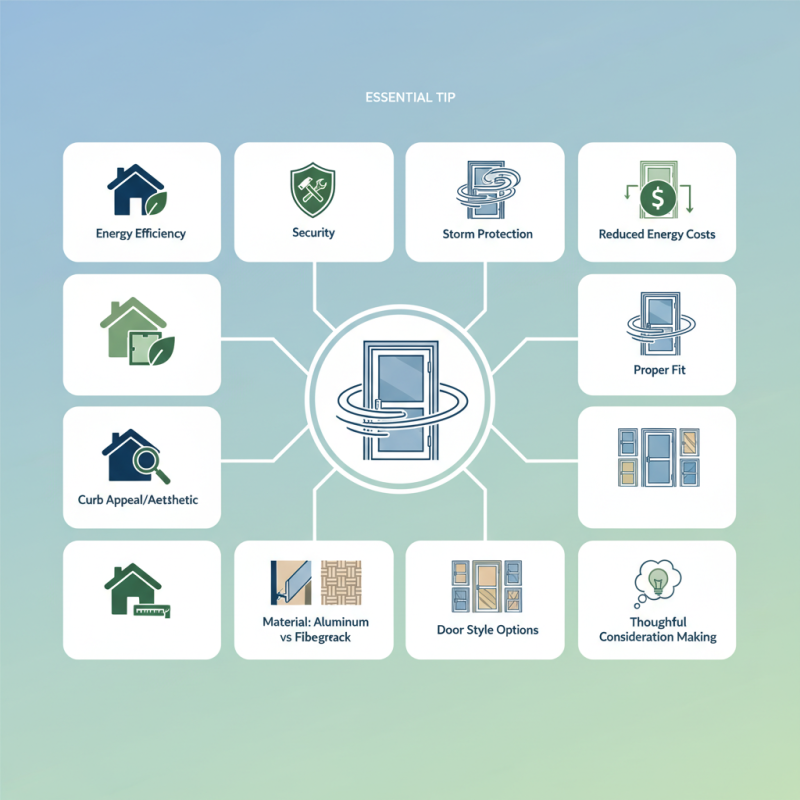
When considering storm screen doors, several factors come into play. The materials used, the door's design, and the installation process all matter. For instance, aluminum frames tend to offer durability, while fiberglass can provide excellent insulation.

Moreover, many homeowners overlook the importance of proper installation. A poorly fitted door will not only fail to protect against storms but may also lead to higher energy bills. Choosing the wrong style can also feel like a misstep. Homeowners should reflect on their choices to ensure they complement the house's overall aesthetic. Hence, thoughtful consideration is essential in making the best decision for storm screen doors.
10 Essential Tips for Choosing the Best Storm Screen Doors

Understanding the Functionality of Storm Screen Doors

Storm screen doors serve multiple functions that enhance your home’s comfort and security. These doors act as a barrier against harsh weather while allowing fresh air to circulate. According to a study from the U.S. Department of Energy, properly installed storm doors can increase energy efficiency by up to 45%. This is substantial, especially in regions with extreme weather conditions.

Many homeowners overlook the role of storm doors in pest control. A durable screen allows airflow while keeping insects outside. The American Pests Association highlights that proper screening can reduce indoor insect populations by 70%. This means fewer pests disrupting your space and daily life, a factor that can significantly improve comfort at home.

Installation may seem straightforward, but even minor misalignment can compromise functionality. Reports have shown that improperly installed storm doors can lead to increased energy bills. Homeowners often realize this too late, resulting in wasted energy. It's essential to consider more than just materials when choosing a screen door. Evaluate the installation process and maintenance.

10 Essential Tips for Choosing the Best Storm Screen Doors

Tip Description Benefits
1. Assess Your Needs Determine the main purpose of the storm screen door (protection, aesthetics, ventilation). Ensures you choose a door that fits your specific requirements.
2. Check Material Quality Choose durable materials such as fiberglass or aluminum. Increases door longevity and resistance to weather elements.
3. Consider Design Select a design that complements your home’s architecture. Enhances curb appeal and property value.
4. Energy Efficiency Look for doors with energy-efficient features. Helps in reducing energy costs and keeping your home comfortable.
5. Screen Options Choose between removable or permanent screen options. Provides flexibility for use according to the season.
6. Security Features Incorporate locks and reinforced frames for added security. Enhances safety and deterrence against intruders.
7. Installation Process Consider ease of installation; some doors are DIY-friendly. Saves time and installation costs.
8. Maintenance Requirements Check the maintenance needs of the materials. Ensures longevity and preserves appearance with minimal effort.
9. Warranty Information Look for doors with a good warranty policy. Provides peace of mind and protection against defects.
10. Price Comparison Compare prices from different retailers. Ensures you get the best value for your investment.

Evaluating Material Options for Durability and Weather Resistance

When evaluating material options for storm screen doors, durability and weather resistance are crucial. Homeowners should consider various materials, including aluminum, fiberglass, and vinyl. Each material offers distinct benefits and potential drawbacks. For instance, aluminum is lightweight and resistant to rust, but may dent easily. According to industry reports, storm doors made of fiberglass are highly durable and provide excellent insulation.

Tip: Always check for the material's impact resistance rating. Higher ratings indicate the door can withstand harsher conditions. A door with a rating of at least DHI A250.8 is recommended for areas prone to heavy storms. This adds a layer of protection against debris and harsh winds.

Another factor to consider is the seal and installation. A well-sealed door minimizes air leaks. Poor installations can lead to increased energy costs. Industry studies show that improperly installed doors can lose 30% of heating or cooling efficiency. It's essential to assess the quality of installation, as it impacts long-term durability.

Tip: Invest in professional installation if unsure. This ensures compliance with local building codes and enhances the door's performance. Remember, not all installations are equal; cutting corners can lead to regrets.

Assessing Energy Efficiency Features in Storm Screen Doors

10 Essential Tips for Choosing the Best Storm Screen Doors

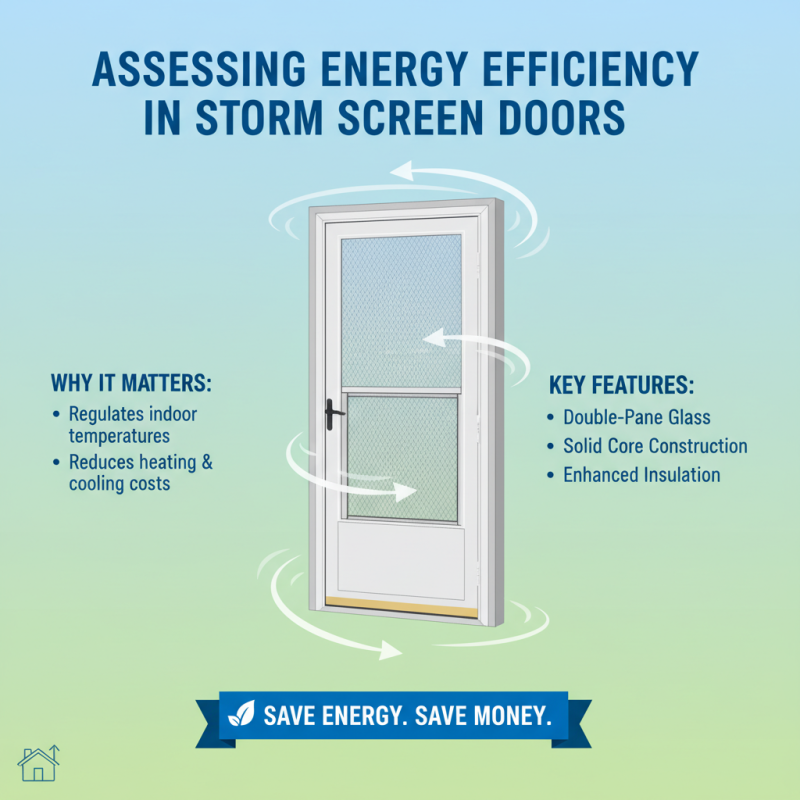
When choosing storm screen doors, energy efficiency should be a priority. These doors play a crucial role in regulating indoor temperatures. Well-insulated storm doors can reduce heating and cooling costs. Look for models with double-pane glass or solid construction. These features enhance insulation and minimize energy loss.

In addition, check for weather stripping. Good seals around the edges help block drafts. Some designs include adjustable thresholds. This means you can fine-tune the fit to eliminate gaps. Remember, poor-fitting doors can lead to wasted energy. It’s important to consider the overall design as well. Some doors allow for maximum airflow while keeping energy efficiency in mind.

While shopping, don’t forget to ask about energy ratings. Some products have certifications that indicate their efficiency levels. Higher ratings often mean better performance, but they might come with higher prices. Think about what your budget allows. It’s a balance between upfront costs and long-term savings. Reflect on your home’s unique needs before making a decision. Make sure the door you choose aligns with your energy efficiency goals.

Selecting the Right Size and Fit for Your Entryways

When choosing storm screen doors, fitting the right size for your entryways is crucial. A study by the Door and Window Manufacturers Association shows that an improper fit leads to a significant increase in energy loss. An ill-fitting door can allow drafts and moisture in, which may affect your home’s comfort and energy bills. Measuring your entryway accurately is essential to avoid these issues.

Consider the height and width of your doorway. Common sizes vary, but most entry doors are around 36 inches wide and 80 inches tall. If your doorway is standard, it becomes easier to find a suitable screen door. However, custom sizes may be necessary for older homes. Always measure twice before purchasing to ensure a snug fit.

Tip: Remember to account for any hardware or trim that may alter the dimensions. This detail is often overlooked. Inadequate space can affect how your door functions. Reflect on whether you want a full-view screen or a more traditional style. Both options require careful thought about your specific entry dimensions. Be mindful of your home's aesthetic, too, as the wrong size can detract from its charm. Trust in precise measurement and fitting to enhance your entryway effectively.

Choosing Aesthetic Styles That Complement Your Home Design

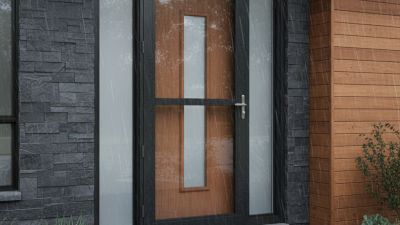
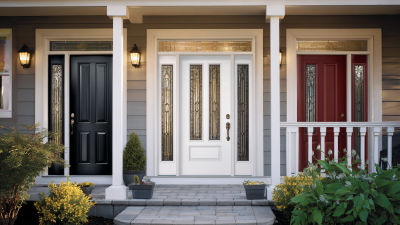
Choosing storm screen doors is not just about function; aesthetics matter too. The right storm door can enhance your home's curb appeal. When considering styles, think about colors that match your exterior. A bold door can be a focal point, while a muted tone may blend seamlessly.

Tip: Consider the architectural style of your home. A traditional house pairs well with classic, paneled doors. Modern homes might benefit from sleek, minimalistic designs. Adding decorative glass can also create an elegant touch.

Don’t forget about materials. Wood gives a warm, rustic feel, while metal provides strength and security. Each option has a unique look that can alter how your home feels. Sometimes, compromise is necessary. You might love a design but struggle with durability. Reflect on what matters most for your lifestyle.

Another tip: think about your home's environment. A coastal home can handle different styles than a mountain retreat. The climate affects both the style and the material of your storm door. Make a choice that suits your setting. Keep in mind, the perfect door should evoke feelings of home.