Why Choose the Perfect Coffee Table for Your Living Space?
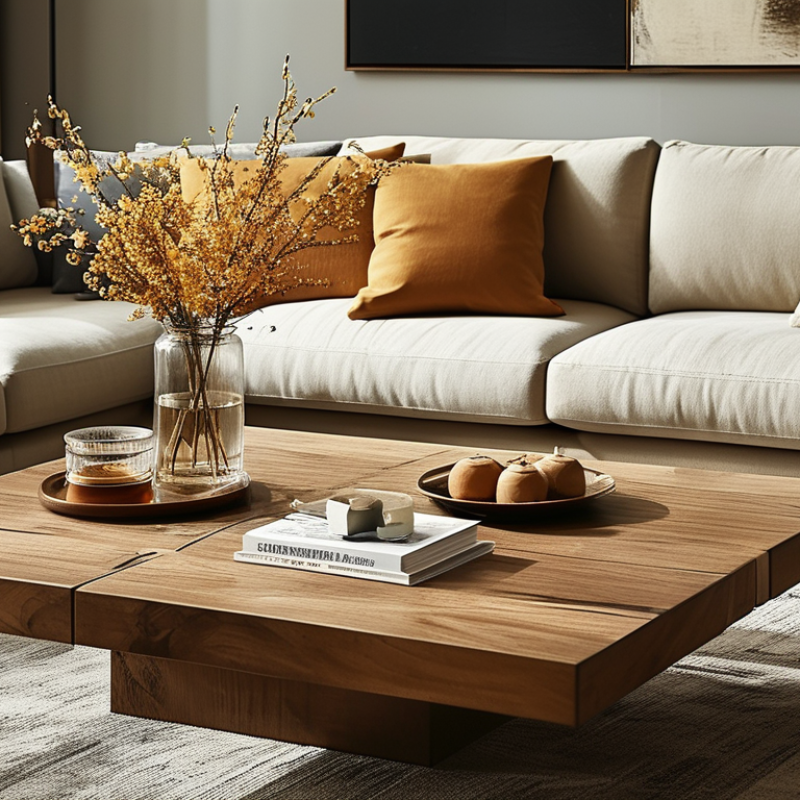
A Coffee Table is more than just a piece of furniture. It serves as a focal point in your living space. Selecting the right Coffee Table can elevate the entire room's aesthetic. It reflects your style and enhances comfort.
Consider the size and shape. A Coffee Table that is too big can overwhelm the space. One that is too small may look out of place. Think about the material as well. Wood, glass, or metal can offer different vibes. Each choice carries its own character and warmth.
Your Coffee Table should be functional too. It can hold drinks, books, or decorations. But, it can also be a place for memories. Gatherings often revolve around this central piece. A chosen Coffee Table can tell a story of its own. Remember to think deeply about your selection; it's not merely an accessory. It's an essential element of your home that deserves careful thought.
Understanding the Importance of a Coffee Table in Living Spaces
A coffee table serves as the heart of your living space. It’s more than a simple piece of furniture; it facilitates interaction. Imagine a cozy gathering where friends share stories and laughter, all centered around your coffee table. This piece anchors the room, providing not only functionality but also warmth.
When selecting the right coffee table, consider its size and shape. It should complement your seating arrangement and flow with the room's design. A table that is too small feels lost. One that is too large can overwhelm the space. Balance is key. Moreover, think about materials. A glass table can create an airy sense, while wood offers a warm touch.
Reflect on your lifestyle too. Do you host often? Or is your space more for quiet evenings? Your coffee table should adapt to your needs. Remember, it also functions as a display. Books, art pieces, or fresh flowers can elevate the decor. Each choice you make should reflect your personality. Ultimately, a coffee table is both functional and artistic, deserving careful thought.
Importance of Coffee Tables in Living Spaces
This chart illustrates the various aspects of coffee tables and their importance in living spaces. The data shows the significance of functionality, aesthetic appeal, social interaction, storage solutions, and versatility, highlighting why choosing the right coffee table is essential for enhancing your living environment.
Identifying Your Style: Modern vs. Traditional Coffee Tables
Choosing the right coffee table is crucial for your living space. It sets the tone and enhances your decor. When considering style, modern and traditional tables create distinct environments. Modern coffee tables often feature clean lines and minimalist designs. They can be made from glass, metal, or wood. In contrast, traditional tables tend to embody classic craftsmanship, showcasing ornate details and rich finishes.
According to a recent industry report, 45% of consumers prefer modern coffee tables for their versatility. These designs fit effortlessly into diverse settings. Additionally, modern tables often offer multifunctional features, such as storage options. On the other hand, traditional coffee tables attract 30% of customers who appreciate timeless elegance. Their crafted details serve as conversation starters. However, one must consider maintenance; ornate designs can require more effort to preserve.
A perfect coffee table combines aesthetic and function. Think about your space and lifestyle. Do you need extra storage? Is your decor cohesive? These questions matter. While modern tables offer adaptability, they may not suit everyone's style. Traditional options can enhance warmth but might clash with contemporary tastes. Reflect on these aspects when making your choice.
Why Choose the Perfect Coffee Table for Your Living Space? - Identifying Your Style: Modern vs. Traditional Coffee Tables
| Style | Material | Shape | Color | Price Range |
| Modern | Glass & Metal | Rectangle | Black, White | $200 - $800 |
| Modern | Wood & Acrylic | Round | Natural Wood Finish | $150 - $600 |
| Traditional | Solid Wood | Square | Mahogany, Cherry | $300 - $1200 |
| Traditional | Marble & Wood | Oval | Dark Brown | $500 - $1500 |
Evaluating Size and Proportion for Your Space
Selecting the right coffee table goes beyond aesthetics. It involves careful consideration of size and proportion within your living space. A coffee table that is too large can overwhelm a room, while one that is too small may feel inconsequential. Aim for a table that complements your seating. The ideal height should be level with your sofa cushions.
Measuring the area where the table will sit is crucial. Create a visual outline using tape to ensure it fits properly. Leave enough space for movement. A good rule of thumb is to allow at least 18 inches of space between the table and seating. This measurement allows for comfort without disrupting traffic flow. A larger table can serve as a statement piece but risks cluttering your space if not thoughtfully placed.
Consider the shape of the coffee table in relation to your seating arrangement. Round tables can be excellent for smaller spaces, allowing for easier navigation. However, they may not suit all styles. On the other hand, a rectangular table might suit larger layouts but can dominate a compact area. Reflect on your needs and lifestyle; this plays a pivotal role in finding the right fit for your living space.
Material Choices: Wood, Glass, and Metal Coffee Tables
Choosing the right coffee table can transform your living space. Material is a key factor in this decision. Wood, glass, and metal each offer unique characteristics.
Wood coffee tables bring warmth and a classic feel. They are sturdy and can withstand daily use. However, they may require regular maintenance to avoid scratches or stains. Consider a reclaimed wood option for rustic charm. This adds a story and sustainability to your decor.
Glass tables, on the other hand, can create an illusion of space. They reflect light and are easy to clean. Yet, they can be fragile. You need to be cautious, especially if you have children or pets. A metal table offers industrial appeal. It is durable but could feel cold in a cozy room. Each material has strengths and weaknesses. Balance aesthetics with your lifestyle choices.
Functionality: Storage, Versatility, and Aesthetics of Coffee Tables
When selecting a coffee table, functionality is crucial. A coffee table must offer storage to keep your living space organized. Look for options with drawers or shelves. These features help hide away magazines, remotes, or toys. Consider how often you entertain guests. In such cases, a table with a broader surface can serve snacks and drinks. A multifaceted design makes it more useful.
Versatility is another key aspect. Some coffee tables double as ottomans, providing extra seating. Others can be easily moved around, adapting to your needs. Yet, remember that this flexibility may come with trade-offs. A lightweight table might be less stable. Assess what matters more to you—mobility or sturdiness.
Aesthetics cannot be ignored. The table should complement your existing decor. A mismatched style can create an awkward visual experience. Think about materials and colors. Wood, glass, or metal offer varied impressions. This choice impacts your room's overall ambiance. Yet, be cautious; the perfect look may not always align with practical use. Balancing style and function takes time and consideration.