2026 How to Choose Exterior Entry Doors for Your Home?
Choosing the right exterior entry doors for your home is crucial. These doors play a vital role in both aesthetics and security. According to Mark Johnson, a well-known expert in home design, "The right door can transform your home’s entrance, making a lasting impression."
Selecting exterior entry doors involves more than just style. Homeowners need to consider materials, energy efficiency, and durability. High-quality doors can enhance curb appeal significantly. The market offers a wide variety of options. From classic wood to modern fiberglass, the choices are overwhelming. Each material has unique pros and cons that demand careful consideration.
It's essential to evaluate your specific needs and preferences. Factors such as climate and local security concerns can influence your decision. Picking the wrong exterior entry doors could lead to wasted energy or frequent repairs. Take the time to research and reflect on your choices. This decision impacts not only aesthetics but also safety and functionality. Make sure your selection aligns with your home’s character and your lifestyle.
Factors to Consider When Choosing Exterior Entry Doors
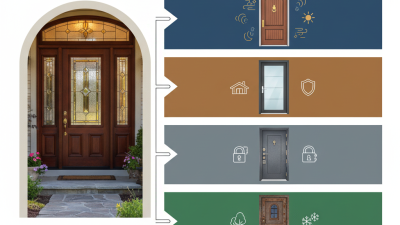
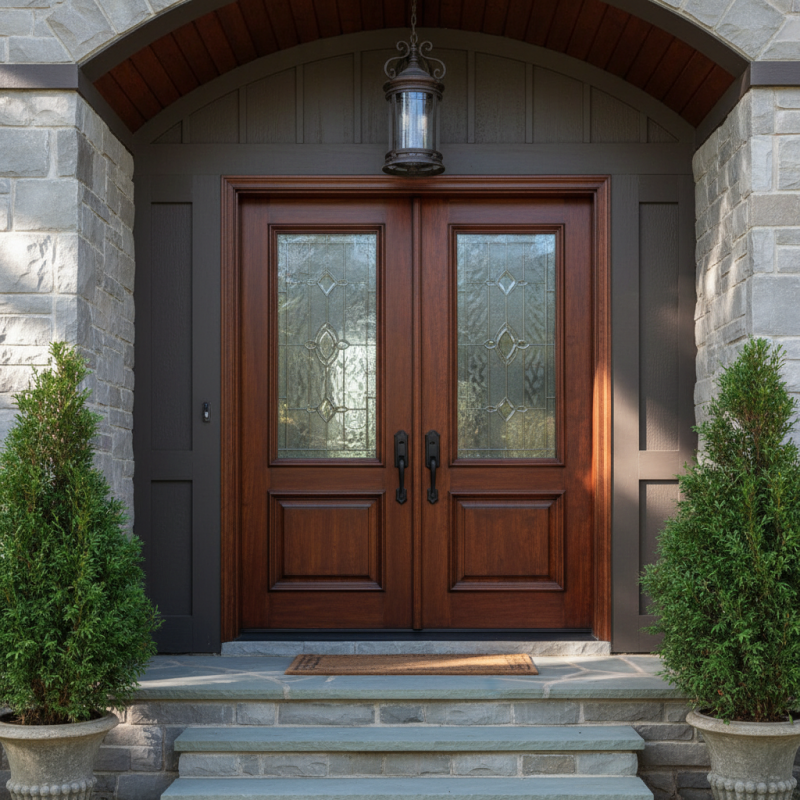
When selecting exterior entry doors, several factors come into play. First, consider the material. Wood, steel, and fiberglass each offer unique benefits. According to a 2022 report by the Remodeling Magazine, fiberglass doors typically retain 81% of their value upon resale, making them a smart investment.
Security is paramount. Look for doors with a solid core and high-quality locks. Research shows that homes with secure entry doors face 60% fewer break-ins. This highlights the importance of choosing a door that not only looks good but also offers peace of mind.
Tip: To enhance energy efficiency, select doors with insulated cores. This can significantly reduce heating and cooling costs, according to the Energy Department. Additionally, remember that color and design can also impact curb appeal and home value.
Reflect on the style of your home. A mismatched door may confuse potential buyers. It’s crucial to find a balance between personal taste and market trends. Always keep in mind the neighborhood aesthetics. Consult local resources for guidance. Your exterior door choice impacts not only your experience but also your home’s future.
Materials Used in Exterior Entry Doors: Pros and Cons
When selecting exterior entry doors, understanding the materials is crucial. Each type has unique characteristics, benefits, and drawbacks.
Wood doors offer excellent insulation and natural beauty, but they require regular maintenance. They can warp or crack in extreme weather.
Metal doors, usually made of steel, provide security and durability. However, they can be prone to rust and denting, especially in coastal areas.
Fiberglass doors are rising in popularity. They mimic wood’s appearance but are resistant to moisture and insects. The downside is that lower-quality fiberglass can become discolored and may not hold paint well.
Vinyl doors can be a low-maintenance choice, resistant to fading and weather damage. Yet, they often lack the visual appeal of other materials and can be easily damaged.
Choosing the right material depends on your priorities. Are aesthetics more important than security? How much maintenance can you handle? These questions matter. Reflecting on these aspects can help you make a more informed decision for your home.
Design Styles for Exterior Entry Doors: Finding Your Home’s Match
When selecting an exterior entry door, design style matters. Your door sets the tone for your home. It welcomes guests and reflects your taste. Consider your home’s architecture. Is it modern, rustic, or traditional? Each style offers unique door designs.
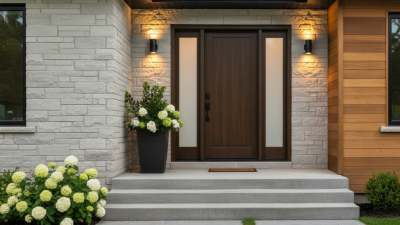
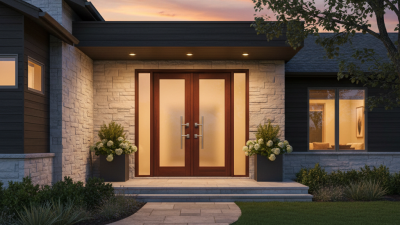
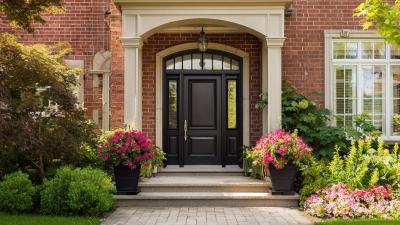
Modern homes often feature sleek lines and minimalist designs. Glass panels can add a touch of sophistication. Rustic styles benefit from wooden doors with textured finishes. These doors evoke warmth and charm. Traditional homes might prefer classic six-panel doors. Such designs are timeless and can enhance curb appeal.
Think about color and hardware, too. A bold color can make a statement. However, it should complement your home. Choosing the right door can be challenging. Look for options that balance beauty and functionality. Quality craftsmanship is essential. Sometimes, less is more. Don’t rush your decision; take the time to explore styles. Your door should feel like home.
Energy Efficiency Features in Exterior Entry Doors
Choosing the right exterior entry door is essential for your home's energy efficiency. Often, homeowners overlook how doors can affect heating and cooling costs. A well-insulated door can save you money in the long term. Look for doors with a high R-value. This value indicates thermal resistance. A good option is a door with multiple layers of insulation.
Tip: Check the door's weatherstripping. Quality weatherstripping can prevent drafts. Even the smallest gaps can let in cold air. Additionally, consider selecting fiberglass or steel doors over wood. They tend to offer better thermal performance. Many people never think about this until it’s too late.
Not all doors are created equal. Pay attention to the U-factor, which measures heat transfer. A lower U-factor means less heat escapes. This is particularly important in regions with extreme weather. You might find that some doors look great but perform poorly. It's critical to balance aesthetic appeal with functionality.
Tip: Don't forget to assess the door frame. A sturdy frame is essential for sealing. Weak frames can lead to air leaks. This is often a factor in high energy bills. Always consider how a door fits within your overall home design. Each detail makes a difference in energy conservation.
Installation Tips for Your New Exterior Entry Door
Installing a new exterior entry door offers an opportunity to enhance your home's security and curb appeal. However, the installation process can be intricate. According to the National Association of Home Builders, a poorly installed door can compromise up to 30% of a home’s energy efficiency. This emphasizes the need for careful attention during installation.
Begin by ensuring the door frame is level. Misalignment can lead to gaps, which invite drafts and moisture. A report from the U.S. Department of Energy notes that air leaks can account for 25% to 30% of a home’s heating and cooling costs. Use shims to adjust the door's height as necessary, ensuring a snug fit. Check the manufacturer's instructions for specific technical requirements as each product may have unique installation steps.
Consider using weather stripping around the door's edges to further improve energy efficiency. Research indicates that well-sealed doors can reduce energy loss significantly. Take your time to secure all screws properly, as loose hardware can cause the door to sag. Remember, it’s easy to overlook these details. Reflect on your process, and keep in mind that a small mistake can impact your door’s performance and lifespan drastically. Save yourself the headache by prioritizing precision during installation.