How to Choose the Best Shower Room Fittings for Your Home?
Choosing the right Shower Room Fittings can significantly enhance your bathroom’s aesthetic and functionality. According to Michael Johnson, a renowned expert in bathroom design, “The right fittings transform an ordinary space into an extraordinary oasis.” This statement underscores the importance of thoughtful selection in shower room fittings.
When selecting shower room fittings, consider both style and practicality. Fixtures come in various materials and designs. High-quality materials ensure durability and longevity. Stainless steel and brass are popular for their resilience. However, some cheaper options may not hold up well under constant exposure to moisture.
Budget also plays a pivotal role. While high-end fittings may seem appealing, it’s vital to evaluate their value over time. Investing in reliable shower room fittings can save money in the long run. Ultimately, it’s essential to strike a balance between style, quality, and budget to create a shower room that reflects personal taste and delivers lasting satisfaction.
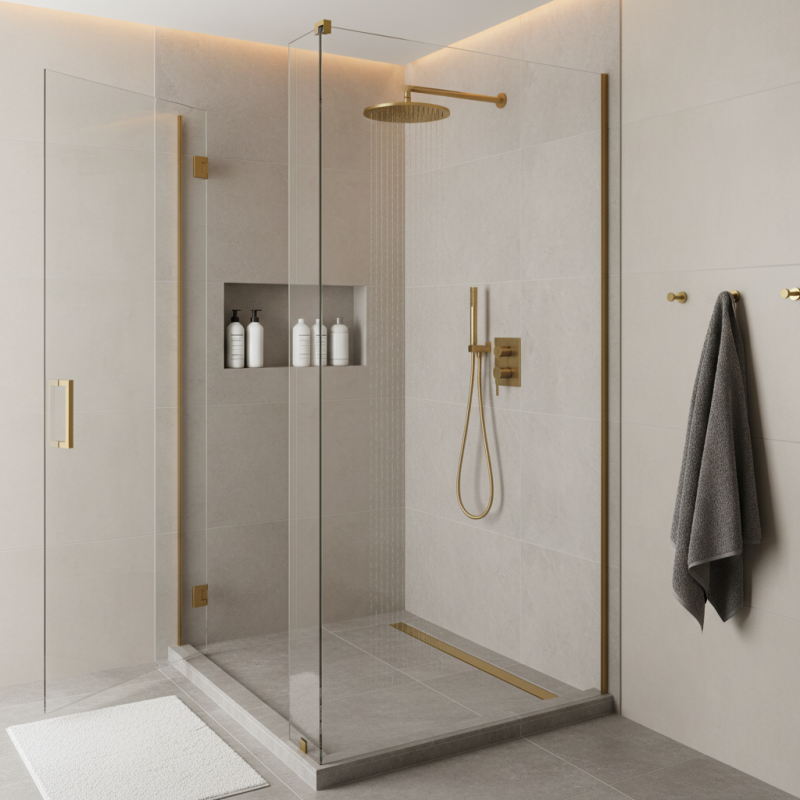
Understanding Different Types of Shower Room Fittings Available in the Market
When it comes to shower room fittings, understanding the available options is crucial. The market offers a variety of fittings, each serving unique purposes. For instance, showerheads come in different styles, such as handheld, rain shower, and multi-function designs.
A recent industry report highlighted that nearly 45% of consumers prefer adjustable showerheads for versatility.
Another important fitting is the shower valve, which controls water flow and temperature. According to research, thermostatic valves are favored for their ability to maintain consistent water temperatures. They provide safety, particularly in families with children. Interestingly, the level of consumer awareness about different valve types remains low, revealing a need for education in this area.
Water-efficient fixtures are gaining traction in the market as well. Reports show that eco-friendly showerheads can reduce water usage by up to 40%. Yet, some homeowners mistakenly believe that conservation features compromise water pressure. Understanding these fittings and their benefits can significantly enhance the shower experience while promoting sustainability.
Key Considerations for Material Selection in Shower Room Fixtures
Choosing the right materials for shower room fittings is crucial. It impacts both durability and aesthetics. Common materials include chrome, stainless steel, and brass. Each has its benefits and drawbacks. Chrome offers a sleek look but may scratch easily. Stainless steel is robust and corrosion-resistant but can be more costly. Brass is sturdy and has a classic style but requires regular maintenance.
When selecting materials, consider the environment. High humidity can affect certain metals. Non-corrosive materials are ideal in these settings. Glass, for instance, is popular for shower doors. It provides a modern feel and can enhance the illusion of space. Choose tempered glass for added safety.
**Tip:** Always check for warranties. Quality materials often come with guarantees. This can provide peace of mind for future repairs.
**Tip:** Look into matte finishes. They can hide water spots better than shiny surfaces, requiring less maintenance.
Reflect on your lifestyle too. If you have children, consider how easily the fittings can be cleaned. Durable fittings may be necessary in a busy home. Your choices should cater to both aesthetics and practical needs.
How to Choose the Best Shower Room Fittings for Your Home? - Key Considerations for Material Selection in Shower Room Fixtures
| Material | Durability | Maintenance | Aesthetic Appeal | Cost |
| Ceramic | High | Low | Classic | Moderate |
| Glass | Moderate | Moderate | Modern | High |
| Acrylic | Moderate | Low | Versatile | Low |
| Stainless Steel | Very High | Low | Sleek | High |
| Bronze | High | Moderate | Antique | High |
Assessing the Importance of Water Efficiency Ratings in Shower Fittings
When selecting shower room fittings, water efficiency ratings should be a top priority. These ratings indicate how much water a fitting uses while maintaining performance. High-efficiency fixtures can significantly reduce water consumption without sacrificing your shower experience. This is crucial in today’s context of water conservation.
Consider your home’s needs carefully. If your area has water restrictions, opt for fittings with high efficiency ratings. Look for products labeled as WaterSense or equivalent. These fittings use 20% less water than standard options, making them an eco-friendly choice.
Tips for choosing fittings:
- Read reviews and check certifications.
- Ask professionals about installation and efficiency.
- Don’t overlook aesthetics; it should match your bathroom style.
Improving water efficiency not only benefits the environment but also reduces utility bills. However, some users may worry about pressure or performance. Test out different products if possible before making a decision. Balance your desire for luxury with sustainable choices. Always remember, the goal is to enhance your shower experience while being responsible.
Water Efficiency Ratings of Shower Fittings
Incorporating Style and Design Trends into Your Shower Room Choices
Choosing the right shower room fittings means more than just functionality. It’s an opportunity to express your style. Modern trends emphasize natural materials, such as wood and stone. These elements add warmth to your space. Choosing sustainable options is also important. This approach reflects a commitment to environmental responsibility.
Design trends vary widely. Minimalistic fittings enhance a clean look. Conversely, vintage-style taps can create a cozy atmosphere. Experiment with colors too. Soft pastels can make your shower room feel serene. Bold colors can energize the space. It’s essential to think about the overall theme of your home. Your shower room should flow seamlessly with other areas.
Remember, trendy styles can impact resale value. Striking a balance is key. Timeless designs often remain popular longer. Personal preferences matter, but think about potential buyers too. Reflect on what you love, yet maintain a sense of practicality. Ultimately, your choices should resonate with your lifestyle while embracing current trends.
Evaluating Ergonomics and Accessibility Features for Shower Room Fittings
When selecting shower room fittings, ergonomics and accessibility should be paramount. A well-designed shower should cater to users of all ages and abilities. Consider grab bars at varying heights. They provide essential support and reduce the risk of slips. The choice of a non-slip surface for the shower floor can greatly enhance safety.
Shower valves should be easy to reach and operate, particularly for those with limited mobility. Lever handles are often more user-friendly than traditional knobs. Even the height of the showerhead can influence accessibility. Adjustable options allow personalized use. Additionally, a fold-down shower seat can be beneficial for those who find standing difficult.
It's important to reflect on how your fittings affect usability. Aesthetic appeal is vital, but functionality must come first. The balance between form and function often requires careful thought. Assessing the needs of everyone who will use the space is crucial. Do all features truly enhance comfort and safety? Evaluating these aspects will lead to better choices in creating an inviting space.