How to Choose the Best Exterior Entry Doors for Your Home?
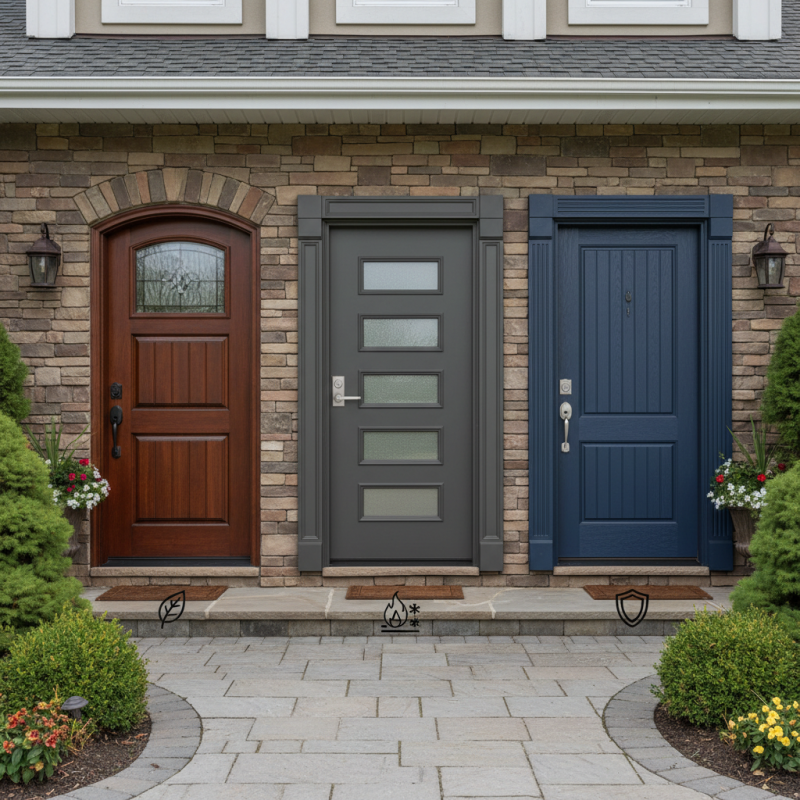
Choosing the right exterior entry doors is crucial for your home. These doors are not just functional; they also impact your home’s curb appeal. The style, material, and color can set the tone for your entire house.
Exterior entry doors come in various options. You can find wood, fiberglass, and steel doors. Each option has its own advantages and drawbacks. For instance, wooden doors offer warmth but require regular maintenance. Steel doors are secure but can rust over time. Evaluate what matters most to you.
Consider your climate when choosing exterior entry doors. In colder areas, insulated doors are essential. They keep the warmth in and the cold out. Also, think about energy efficiency. Look for doors with energy ratings. This choice will save costs long-term. Reflect on these factors before making a decision.
Factors to Consider When Choosing Exterior Entry Doors
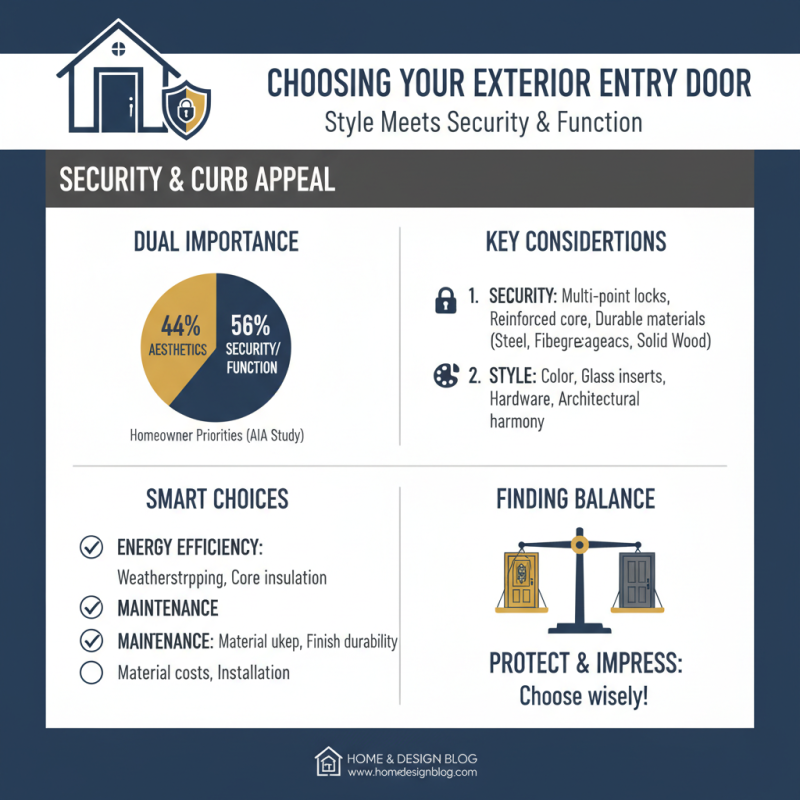
Choosing the right exterior entry door is crucial for your home's security and curb appeal. A study by the American Institute of Architects found that 44% of homeowners prioritize aesthetics when selecting doors. This highlights the importance of finding a balance between style and functionality.
Durability matters too. The National Association of Home Builders reports that fiberglass doors have an average lifespan of 30 years compared to wood doors, which may last only 20 years with proper maintenance. Weather resistance is another factor. Consider doors with energy-efficient ratings to help lower energy costs. According to the U.S. Department of Energy, proper insulation can save you up to 20% on heating and cooling bills.
Don’t overlook security features. Locking mechanisms should be robust and reliable. Many experts recommend a door with a multipoint locking system for added security. These details often go unnoticed but are vital for safety. It’s essential to reflect on your priorities. Think about what matters most—style, durability, or security—as this will guide you in making an informed decision.
Types of Materials for Exterior Entry Doors and Their Benefits
Choosing the right material for your exterior entry doors is crucial. Different materials offer various benefits and drawbacks.
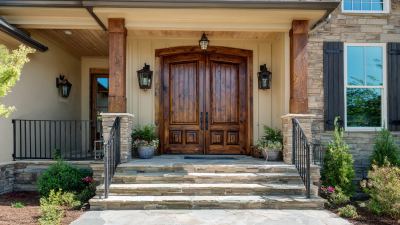
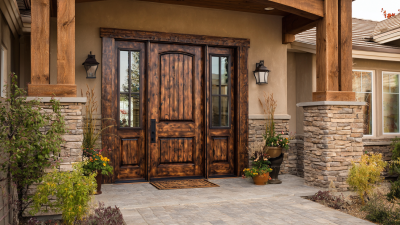
Wood, for example, is known for its beauty and insulation properties. However, it can warp or rot without proper maintenance.
A study from the American Institute of Architects reveals that nearly 30% of homeowners desire wooden doors for their classic appeal.
Fiberglass doors are another popular option. They offer superior durability and resistance to harsh weather. According to the National Association of Home Builders, fiberglass doors can last up to three times longer than wood doors.
They require little maintenance and can mimic the look of wood, but some find them less visually striking.
Steel doors are also gaining traction. They provide excellent security and energy efficiency, with a potential energy savings of up to 20% over traditional wooden doors.
However, they can dent easily and might require repainting over time. Homeowners must consider the climate and their lifestyle when choosing.
The best choice isn't always clear-cut. Careful evaluation of each material's strengths and weaknesses is key.
Design and Style Options for Enhancing Curb Appeal
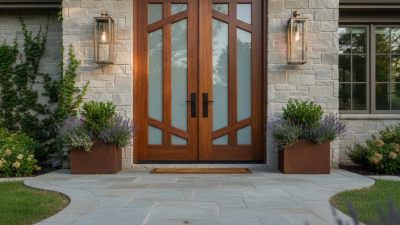
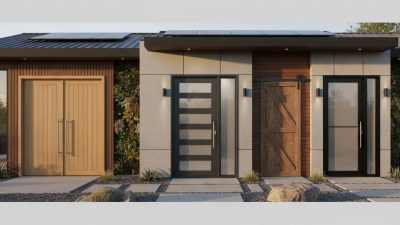
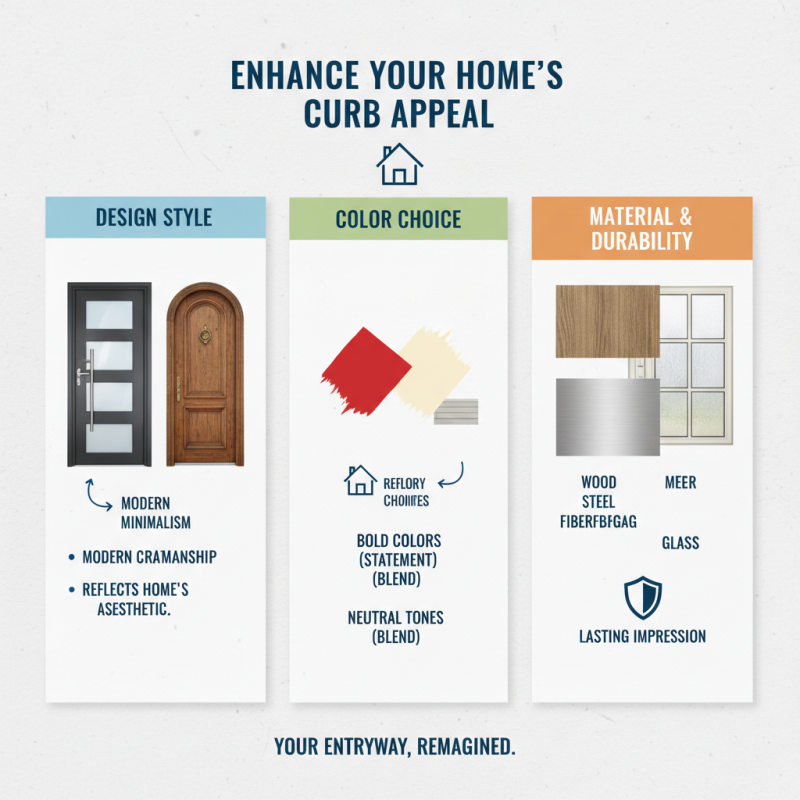
Choosing the right exterior entry door can immensely enhance your home's curb appeal. One of the crucial elements to consider is the design style. From modern minimalist to classic craftsman, the door should reflect your home's overall aesthetic. Consider the color that compliments your exterior walls. Bold colors can make a statement, while neutral tones can blend beautifully.
Materials also play a significant role in aesthetics. Wood offers warmth and texture, while fiberglass provides versatility in design. Each material has its own charm and requires different maintenance levels. Think about the look you want. A sleek metal door may suit a contemporary home, but a rustic wooden one might fit better in a countryside setting.
Remember, the door's hardware also contributes to its overall impact. Choose handles and locks that match the door's style. Small details like these matter. It’s easy to overlook them, but they can elevate the entry’s look. If unsure, consult with a designer for insight. A door should not only be functional but also inviting. Don't be afraid to explore untrodden paths in design; sometimes, the boldest choices offer the most rewarding results.
Security Features to Look for in Exterior Entry Doors
When selecting exterior entry doors, security features should be a primary consideration. According to the National Institute of Standards and Technology, a strong door frame can withstand considerable force. A door with a solid core is generally more resistant to forced entry. Many homes still use hollow core doors, which can be vulnerable and less secure than solid wood or fiberglass options.
Lock systems are crucial for securing your entry points. Look for deadbolt locks with at least a one-inch throw bolt. A report by the Bureau of Justice Statistics indicates that homes with heavy, reliable locks are less likely to be targeted. Smart locks are gaining popularity, but it's important to ensure they have robust encryption standards to protect against hacking.
Windows within or beside the door can be access points for intruders. Choosing doors with tempered glass adds an extra layer of security. It’s worth noting that some install glass that looks sturdy but can be easily shattered. Homeowners often overlook these details, leading to vulnerabilities. Regular assessments of door security features can significantly enhance overall safety.
Energy Efficiency Considerations for Exterior Doors
When selecting exterior entry doors, energy efficiency is crucial. A significant portion of a home's energy loss occurs through doors. According to the U.S. Department of Energy, up to 15% of a home’s heat can escape through poorly insulated doors. Choosing well-insulated doors helps reduce energy bills.
Look for doors with a high R-value. This measures thermal resistance, indicating how well a door insulates. A door with an R-value of 5 or higher is ideal for most climates. Additionally, consider weather stripping and thresholds. These features prevent air leaks, which can lead to drafts and discomfort.
Tips: Always check for ENERGY STAR certification. These doors meet strict energy efficiency guidelines. They can save homeowners up to 30% on energy costs. Don't overlook aesthetic appeal, either. A beautiful, energy-efficient door enhances curb appeal while keeping your home comfortable.
Careful choices are vital. A beautiful door lacking energy efficiency can lead to higher utility bills. Weigh all options carefully, focusing not just on style but on long-term savings. Consider local climate impact, too; different areas face distinct weather challenges. Prioritize functionality alongside aesthetics for the best results.
Energy Efficiency Ratings of Exterior Entry Doors