Why Choose the Right Door Hinge for Your Project?
Choosing the right door hinge is crucial for any project. Door hinges play a significant role in how doors operate and function. Poor selection can lead to issues ranging from misalignment to premature wear. In fact, studies show that improperly chosen hinges can reduce a door's lifespan by up to 30%.
When evaluating door hinges, it’s essential to consider factors like weight, material, and intended use. The American Hardware Manufacturers Association reports that the right hinge can support significantly heavier doors, improving overall durability. However, many overlook the importance of matching the hinge type with the door design. This oversight often results in operational problems down the line.
Investing time in selecting the correct door hinge can enhance both security and aesthetics. Yet, too often, this choice is made in haste. It’s important to acknowledge the balance between cost and quality. This decision impacts the door's performance and ultimately the project's success. Understanding the details of door hinges ensures that the final outcome meets both functionality and design needs.
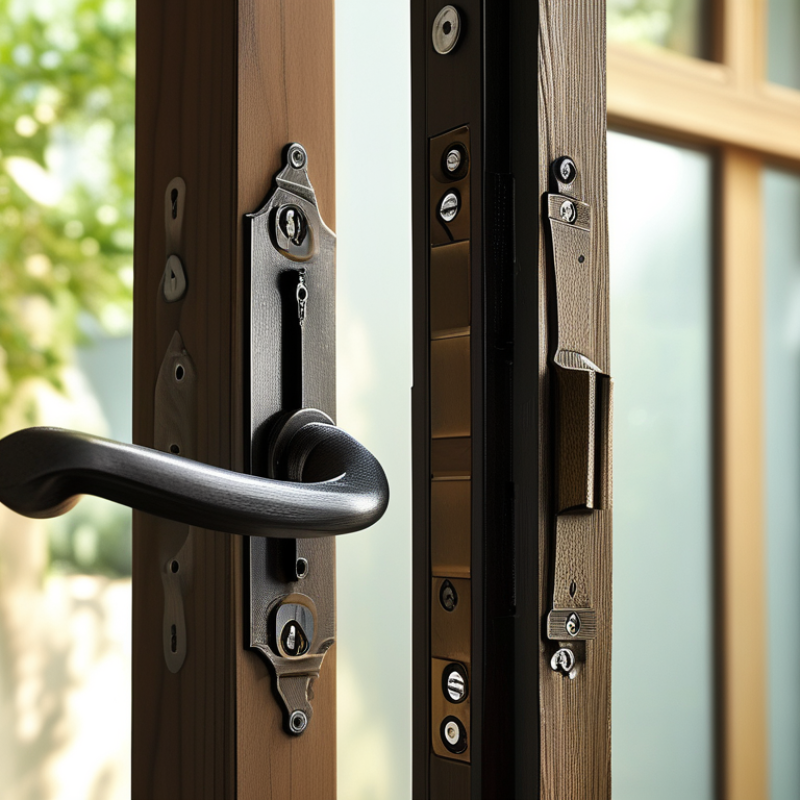
Understanding the Importance of Door Hinges in Construction Projects
When it comes to construction projects, door hinges may seem like small components. However, they play a crucial role in the functionality and longevity of doors. A comprehensive analysis from the Building Industry Association reveals that improper hinge selection can lead to failures in over 30% of residential door installations. These failures can result in costly repairs and replacements.
Choosing the right door hinge is vital for load distribution. Studies indicate that hinges must support at least 80-100 pounds per door leaf. This weight requirement is significant, especially for heavy doors. Using inadequate hinges can lead to ~sagging~, misalignment, and increased wear. This often results in the need for frequent adjustments or replacements.
In addition, the materials used in hinges affect their durability. For instance, stainless steel hinges are recommended for external doors due to their corrosion resistance. Industry reports state that factors like moisture and temperature fluctuations can drastically reduce hinge lifespan if materials are not appropriately matched. Ignoring these factors could lead to unexpected issues down the line. Careful consideration in choosing hinges can enhance both functionality and aesthetics in any building project.
Types of Door Hinges and Their Specific Applications
When selecting door hinges, understanding the various types and their specific applications is crucial. For instance, butt hinges are the most common choice for residential doors. They come in various sizes and materials, providing versatility for different door weights. Another option is continuous hinges, which run the entire length of the door. These offer added strength and stability, making them ideal for heavy-use environments such as schools or commercial buildings.
Pivot hinges are another interesting choice. They allow doors to swing in both directions. This is useful in busy areas like restaurants and hospitals. In contrast, concealed hinges are designed to be hidden when the door is closed. They create a sleek look but can limit adjustment options. Each hinge type has its advantages and challenges, and the right choice depends on the specific needs of the project.
Finally, it’s essential to consider the material and finish of the hinges. Stainless steel is durable and resistant to rust, suitable for exterior doors. On the other hand, plastic hinges may not hold up well under heavy loads. When choosing, weigh the application against the hinge type's durability. Sometimes, the perfect fit might not exist. Reflecting on past choices can help guide future decisions.
Factors to Consider When Selecting Door Hinges for Your Project
Selecting the right door hinge is crucial for any project. There are several critical factors to keep in mind.
First, evaluate the weight of the door. Heavier doors require sturdier hinges. If you are working with a lightweight door, standard hinges may suffice.
Consider the material of the hinges. Stainless steel offers durability and resistance to rust. On the other hand, brass gives a vintage aesthetic but may corrode over time. Don't overlook the finish. A poor finish can lead to wear and tear.
The number of hinges matters too. Generally, a door should have at least three hinges for stability. However, larger doors might need more. Installation is another aspect. Some hinges are easier to install than others, so check their design and instructions.
Take your time to analyze each factor; make the right choice to ensure functionality and longevity.
Common Mistakes to Avoid When Choosing Door Hinges
Choosing the right door hinge can seem straightforward, but common mistakes can lead to significant problems. Many overlook the weight capacity of the hinge. A hinge that can’t support the door’s weight can lead to sagging or even total failure. Always check the specifications and ensure the hinge is rated for the door style you are using.
Another frequent error is ignoring the material of the hinge. Different materials serve different purposes. For example, brass is beautiful but may not be as durable as stainless steel in a high-traffic area. Considering the environment is crucial. Moisture can corrode certain materials. Reflect on where your door is and choose wisely.
Lastly, many people forget about the importance of alignment. An uneven installation can cause doors to stick or not close properly. Hinges should be installed level, ensuring smooth operation. Remember, a careful selection can save you future hassles. The goal is to blend functionality with aesthetic appeal without compromising on quality or performance.
Maintenance Tips for Ensuring Longevity of Door Hinges
Choosing the right door hinge is essential for the functionality and security of any door. However, selecting the right hinge isn’t enough. Regular maintenance is key to ensuring the longevity of your door hinges.
First, keep hinges clean. Dust and dirt can accumulate, leading to rust. Wipe them down with a damp cloth. If you notice any stubborn grime, a mild detergent can help. After cleaning, dry the hinges thoroughly to prevent moisture accumulation.
Next, lubrication is crucial. Use a silicone spray or graphite powder to reduce friction. Apply it directly to the hinge pin. Don’t oversaturate; a little goes a long way. It can improve movement and prevent squeaks.
Pay attention to the sound of your door; if it’s squeaky, it’s time to lubricate.
Lastly, check for any signs of wear. Inspect for loose screws or rust. Tighten screws as needed and replace any hinges that show significant damage. Regular inspections can save you from costly replacements down the line. Keeping an eye on these details will ensure your hinges last longer and function properly.