Doors &
Windows

China Top 10 Biodegradable Non Woven Fabric Suppliers

China has become a major sourcing destination for Biodegradable Non Woven Fabric. Its manufacturers serve packaging, agriculture, hygiene, medical, and filtration markets.

This guide introduces ten Chinese suppliers worth closer evaluation. It does not treat ranking as a permanent judgment. Market conditions change, and product quality can vary between batches. That matters.

Our assessment focuses on verifiable manufacturing experience, material transparency, production capacity, certifications, and export performance. We also consider practical details, including fabric weight, roll width, tensile strength, softness, and sealing behavior. These specifications influence whether a fabric performs well in shopping bags, seedling covers, or disposable packaging.

A supplier may offer PLA, PHA, cellulose, or blended fibers. However, “biodegradable” does not mean identical performance or disposal requirements. Decomposition can depend on temperature, humidity, microorganisms, and industrial composting conditions. Buyers should request current test reports and confirm the testing standard.

Look beyond attractive catalogs.

Reliable suppliers usually provide samples, technical data sheets, batch records, and clear communication about production limits. Factory audits can reveal details that websites often omit, such as storage conditions, equipment maintenance, and inspection procedures. Product claims should remain specific and evidence-based.

This introduction is intentionally cautious. A supplier that fits one application may fail another. Prices, lead times, minimum order quantities, and certification status should be verified directly before purchase. The following overview aims to support informed comparison, not replace independent due diligence.
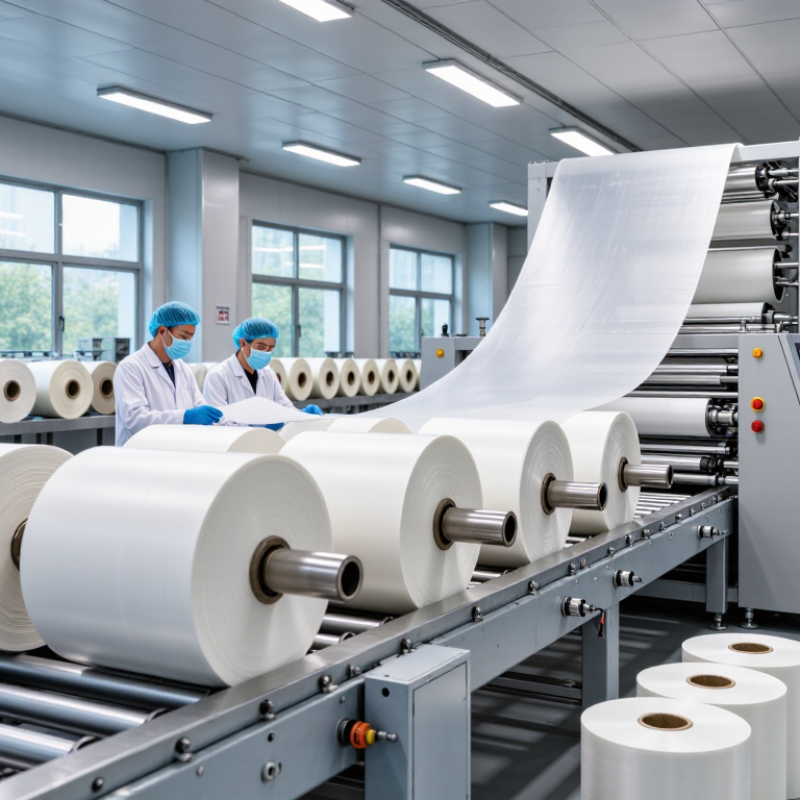
China Top 10 Biodegradable Non Woven Fabric Suppliers

What Is Biodegradable Nonwoven Fabric?

Biodegradable nonwoven fabric is a sheet made from bonded fibers that can break down through natural biological activity. “Nonwoven” means the fibers are not woven into crossing yarns. Instead, manufacturers bond them through heat, pressure, chemical treatment, or mechanical entanglement. Common materials include plant-based fibers, cellulose, and certain biodegradable polymers.

The fabric does not biodegrade at the same speed everywhere. Temperature, moisture, oxygen, microorganisms, thickness, and additives all influence decomposition. Some materials require industrial composting facilities with controlled heat and humidity. They may not break down effectively in a home compost bin, landfill, or marine environment. This distinction is easy to miss. Biodegradable also does not always mean compostable, and it does not describe a product’s complete environmental impact.

When assessing a supplier, request the fiber composition, production method, and independent test documentation. Check whether testing covers the finished fabric, not only its raw material. Standards such as EN 13432 or ASTM D6400 may support compostability claims, but the exact scope matters. A practical inspection should examine softness, tear strength, moisture response, and odor after storage. A fabric that decomposes quickly but fails during use may create more waste through replacement. The label can sound simpler than reality. Careful sourcing still depends on honest data, suitable disposal conditions, and the intended application.

Why China Is a Major Supplier of Biodegradable Nonwoven Fabrics

China has become a major supplier of biodegradable nonwoven fabrics because it combines scale, materials, and processing capacity. The China Nonwovens and Industrial Textiles Association reported that China’s nonwoven output exceeded 12 million tonnes in 2023. Smithers valued the global nonwovens market at about US$53.5 billion in 2023, with continued growth expected through 2028. This demand encourages Chinese mills to improve production efficiency and develop lower-impact fibers.

Manufacturers can source polylactic acid, viscose, lyocell, and blended fibers within a dense industrial network. They also offer spunbond, meltblown, spunlace, and needle-punched structures for packaging, agriculture, hygiene, and filtration. Shorter supply chains help reduce sampling time. Technical teams can adjust basis weight, tensile strength, softness, and pore size quickly. The picture is not flawless. “Biodegradable” does not mean rapid decomposition everywhere. Moisture, temperature, microbes, and disposal conditions strongly affect performance.

European Bioplastics projected global bioplastics production capacity to grow from 1.79 million tonnes in 2023 to 7.43 million tonnes by 2028. However, this figure includes both biodegradable and non-biodegradable materials. Responsible Chinese suppliers therefore need clear fiber declarations, batch traceability, and independent compostability testing. Buyers should review standards such as EN 13432, ASTM D6400, or ISO 17088 before accepting environmental claims. Factory audits remain useful, but paperwork alone can miss inconsistent raw-material mixing. On-site sampling is still worth the effort.

How to Evaluate China’s Top 10 Biodegradable Nonwoven Fabric Suppliers

How to Evaluate China’s Top 10 Biodegradable Nonwoven Fabric Suppliers

Evaluating China’s top biodegradable nonwoven fabric suppliers requires more than comparing prices. Request samples with clear fiber composition, basis weight, thickness, and production dates. A credible supplier should explain whether the fabric uses PLA, viscose, cellulose, or blended fibers. Ask for recent laboratory reports and recognized biodegradability certifications. Check whether the documents match the exact material, not a similar product.

Production experience matters. Review factory capacity, quality-control procedures, inspection records, and batch traceability. A supplier handling medical, agricultural, or packaging applications should understand different performance requirements. Test tear strength, air permeability, moisture behavior, and decomposition conditions. A polished website proves little. Direct communication often reveals more. Vague answers deserve caution.

Tips: Build a simple scorecard covering material accuracy, testing, delivery reliability, minimum order quantity, and environmental practices. Request a small trial order before signing a large contract. Visit the facility when possible, or arrange a live video inspection. Check how production waste and wastewater are managed. These details can separate dependable partners from attractive but inconsistent options. No scorecard is perfect. Supplier performance may change with raw-material availability, staffing, or new equipment, so review key evidence regularly.

Top 10 Chinese Suppliers and Their Product Specialties

China’s top ten biodegradable non woven fabric suppliers often specialize in different production areas. Spunlace suppliers focus on soft wipes, medical gowns, and personal-care materials. PLA fabric producers offer compostable fibers with a clean, paper-like feel. Bamboo and cellulose suppliers target hygiene products and lightweight packaging. Some factories develop agricultural covers, seed mats, and plant-protection fabrics. Others concentrate on filtration, shopping bags, or disposable food-service items.

The strongest suppliers usually provide material data, production samples, and traceable quality records. Ask about fiber content, basis weight, tensile strength, moisture behavior, and biodegradation conditions. A supplier with in-house testing can respond faster when fabric performance changes. However, factory scale does not guarantee stable quality. I have seen attractive samples fail during roll production. Small details matter, including edge strength, winding tension, and storage humidity.

Tips: Request three sample batches, not one. Compare odor, softness, thickness, and tear resistance. Confirm whether “biodegradable” applies to the fiber, coating, or finished product. Check relevant certifications independently, and match them with your target market. No shortlist is perfect. A careful buyer should also review lead times, minimum order quantities, packaging methods, and production capacity before signing a supply agreement.

Applications, Certifications, and Export Considerations

China Top 10 Biodegradable Non Woven Fabric Suppliers

Applications should guide supplier selection. Chinese biodegradable nonwoven fabrics are used in wipes, hygiene products, seedling bags, crop covers, tea sachets, and lightweight packaging. Textile Exchange’s Materials Market Report 2024 records global fiber production at 124 million tonnes in 2023. This scale increases pressure to verify material claims, not merely accept attractive samples. European Bioplastics reported 2.18 million tonnes of global bioplastics production capacity in 2023. Demand is growing, but compostable does not mean biodegradable everywhere.

Certifications need careful reading. EN 13432, ASTM D6400, and ISO 17088 support industrial compostability claims. ISO/IEC 17025 laboratory testing adds credibility to disintegration and ecotoxicity results. For cellulose-based fabrics, fiber origin documents and responsible forestry evidence may also matter. A certificate is not proof of home composting. I would request the full test report, production batch, and stated composting conditions. Suppliers sometimes present resin certification as finished-fabric certification. That gap deserves attention.

Export readiness involves destination rules, labeling, restricted substances, packaging, and customs classification. EU shipments may require REACH-related chemical control and evidence supporting environmental claims. U.S. buyers should review claim wording against the Federal Trade Commission’s Green Guides. Ask for a declaration of composition, safety data, origin documents, inspection records, and moisture-controlled packing. A capable supplier should explain shelf life and storage limits clearly. Some cannot. That is a warning sign. Independent pre-shipment testing remains sensible, especially for high-volume hygiene or food-contact applications.